

Ford Fusion Engine VVT Solenoid: A Guide for 2006-2020 Models
Rough idle, poor gas mileage, or a check engine light on your Fusion could point to a failing VVT solenoid.
- A bad VVT solenoid will almost always trigger a Check Engine Light with codes like P0011 or P0012.
- Symptoms include rough idle, poor acceleration, and bad gas mileage.
- The leading cause of failure is dirty or low-quality engine oil; regular maintenance is key.
- For many Fusion engines, this is an easy DIY replacement, but on V6 models, it is a much more involved job as the solenoids are under the valve covers.
Is Your Fusion's VVT Solenoid Failing?

A VVT solenoid failure is often caused by contaminated or old engine oil clogging its small internal passages. When it fails, the engine's computer can no longer properly adjust the valve timing, leading to several noticeable problems.
Key Failure Symptoms:
🎬 Watch this video to see common VVT solenoid failure symptoms.- Check Engine Light: This is the most common sign. The light will be triggered by diagnostic trouble codes (DTCs) related to camshaft position timing, such as P0011, P0012, P0014, or P0016.
- Rough Idle and Stalling: Your Fusion may idle erratically, shake when stopped, or even stall at low speeds.
- Poor Engine Performance: You might feel a loss of power, hesitation when you press the gas pedal, and sluggish acceleration.
- Worse Gas Mileage: A faulty solenoid can cause the engine to get stuck in a less efficient timing profile, making you visit the gas station more often.
- Engine Rattle: A distinct rattling or ticking noise from the top of the engine can occur, especially at startup, because the cam phasers aren't getting the right oil pressure.
Known Issues and Technical Service Bulletins (TSB)
While there are no direct recalls for the VVT solenoid on the 2006-2020 Fusion, Ford did issue TSB 16-0038. This bulletin helps mechanics diagnose a bad solenoid by linking specific pairs of trouble codes to a specific solenoid. For example, if your car shows both P0011 and P0016 codes, the TSB points directly to a faulty bank 1 intake VVT solenoid.
Choosing the Right Aftermarket VVT Solenoid

When replacing the VVT solenoid, you don't have to buy an expensive OEM part. Aftermarket brands offer a range of quality options that can save you money.
- Premium Brands (e.g., NGK/NTK, Gates): These brands are known for high-quality materials, such as corrosion-resistant spool valves and precise manufacturing that meets or exceeds original specifications. They are an excellent choice for owners who want the best possible reliability.
- Standard Brands (e.g., Dorman, Standard Ignition, Cloyes): These are well-known, reputable brands in the aftermarket. Dorman, for example, is widely available and sometimes re-engineers parts to improve on factory weaknesses. While some mechanics prefer OEM for electronic parts, these brands offer a solid balance of price and performance for most owners.
- Economy Brands (e.g., various store brands): While the most affordable, quality can be inconsistent. Given the importance of this part and the fact that labor can be intensive on some engines, it's often worth spending a little more for a part with a better reputation.
Common Ordering Mistakes
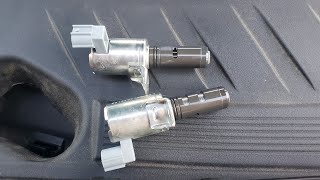
For certain model years, like the 2012 Fusion, Ford used solenoids with different electrical connectors depending on the build date. Always visually inspect your old part before ordering a new one. Also, confirm if your engine has one or two solenoids (intake and exhaust) for the cylinder bank you are working on.
Cost to Replace a Ford Fusion VVT Solenoid
| Part Type | Estimated Cost |
|---|---|
| New OEM | $30 - $90 |
| New Aftermarket | $27 - $152 |
| Shop Labor | $90 - $550+ |
Cost estimates are for parts and labor and can vary based on your vehicle's engine and your location. The labor cost varies significantly depending on whether the solenoid is easily accessible or located under the valve cover. 🎬 See how to replace a VVT solenoid on a 2017 Fusion.
Frequently Asked Questions (FAQ)

How many VVT solenoids does my Ford Fusion have?
It depends on your engine. Most 4-cylinder engines have two solenoids: one for the intake camshaft and one for the exhaust camshaft. V6 engines typically have four solenoids (an intake and exhaust for each cylinder bank). Always verify the correct part for your specific engine and the solenoid's position (intake or exhaust).
Can I just clean my VVT solenoid?
While some people attempt to clean solenoids by spraying solvent through the oil passages, it is often not a permanent fix. The internal passages are very small and can be difficult to clear completely. If the solenoid is failing electrically or the internal seals are worn, cleaning will not help. Replacement is the most reliable solution.
Is an OEM VVT solenoid better than aftermarket for my Fusion?
OEM solenoids are a safe bet, but quality aftermarket brands like NGK, Dorman, and Standard Ignition offer reliable parts at a lower price. Since the most common cause of failure is dirty oil, regular oil changes with the correct type of oil are more important for longevity than the brand of the solenoid itself.
What happens if I don't replace a bad VVT solenoid?
Ignoring a bad VVT solenoid can lead to more serious engine problems. Persistently incorrect timing can cause damage to the timing chain and cam phasers, which are much more expensive to repair. You will also continue to experience poor performance, bad fuel economy, and may fail an emissions test.
Helpful Videos
Technical Specifications
OEM Part Numbers: CJ5Z6M280A AT4Z-6M280-A AT4Z-6M280-B AT4Z-6M280-C
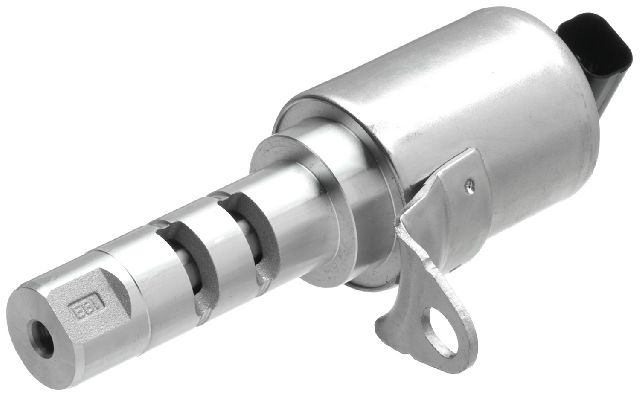
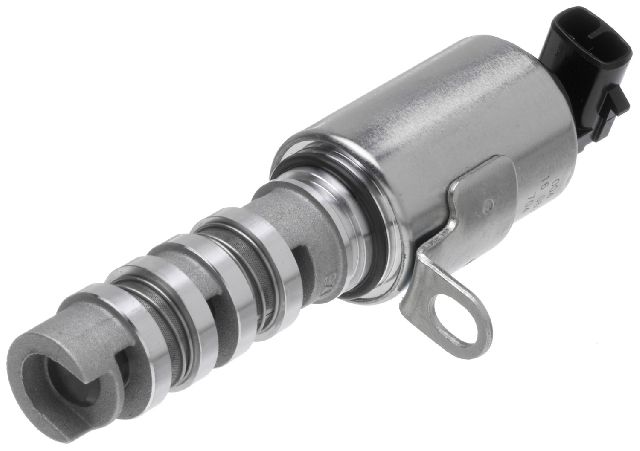
The VVT solenoid is an electronically controlled valve that manages oil flow to the camshaft phasers. Most 4-cylinder Ford Fusions use two solenoids (one intake, one exhaust), while V6 models use four. The part is specific to the engine, year, and sometimes even the manufacturing date, so visual confirmation of the electrical connector is recommended.
We Have This Part in Stock


The information in this article is provided for general reference and educational purposes only. Vehicle specifications, procedures, and part compatibility can vary by production date, trim level, and region. Always consult your vehicle's factory service manual and verify part numbers before purchasing or performing repairs. Safety-critical components such as airbags, seat belts, and braking systems should be installed by a qualified professional.
- Ford Fusion: