

Ford Explorer Vapor Canister Guide for 2006-2019 Models
Solve check engine lights and fueling problems by understanding this critical EVAP system part on your Ford Explorer.
- A check engine light with codes like P0455, P0456, or P1450 is the most common sign of an EVAP system problem.
- Difficulty refueling is a classic symptom of a bad vent solenoid, while hard starting after fueling points to a bad purge valve.
- Always diagnose the specific failed component; often a less expensive valve is the culprit, not the entire canister.
- Avoid topping off your gas tank to prevent liquid fuel from damaging the charcoal canister.
Understanding the Vapor Canister on Your Ford Explorer


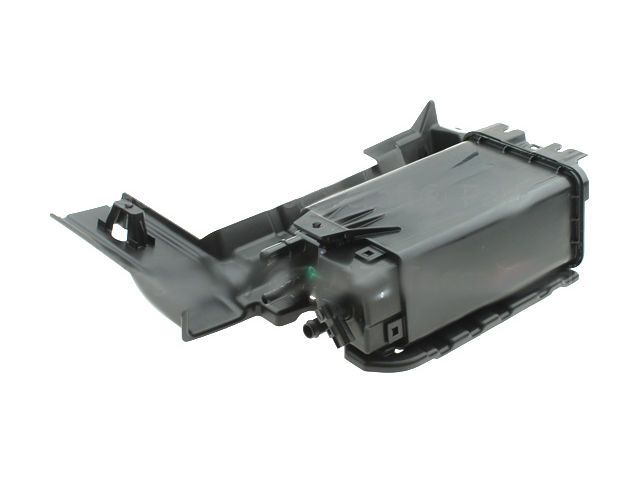
The vapor canister, or charcoal canister, is an essential emissions component on your 2006-2019 Ford Explorer. Its main job is to trap fuel vapors that would otherwise pollute the air. Over time, the canister itself can become saturated with fuel, or the valves connected to it can fail, leading to common and frustrating problems.
Generational Differences: 2006-2010 vs. 2011-2019
It's important to know which Ford Explorer you own, as the EVAP system components and their locations differ significantly between generations.
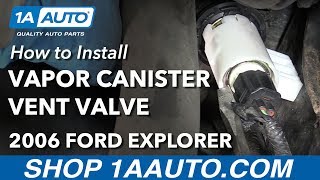
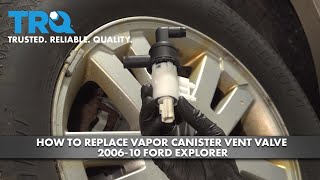
- 2006-2010 (4th Gen): On these truck-based Explorers, the vapor canister and related vent solenoid are typically located underneath the vehicle on the passenger side frame rail, near the fuel tank. These components are exposed to the elements, which can lead to failure. Replacement often involves working underneath the truck. 🎬 See how to replace the vent valve on 2006-2010 models.
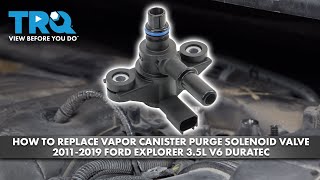
- 2011-2019 (5th Gen): On these unibody Explorers, the EVAP system is more integrated. The purge valve is a very common failure point and is easily accessible on top of the engine. 🎬 Learn how to replace the purge valve on 5th Gen Explorers. The canister itself is located near the fuel tank, but diagnosing issues often starts with the more accessible purge or vent valves.
Is It the Canister or a Valve?
Many drivers mistake a bad purge valve or vent solenoid for a failed vapor canister. The canister is just a storage box for vapors; it's the valves that control the flow. A purge valve failure often causes a rough idle and difficulty starting after getting gas. A bad vent solenoid is famous for making the gas pump click off constantly during refueling. Always diagnose the specific problem before replacing 🎬 Watch this guide to test if your canister has failed. the entire canister, as the valves are cheaper and easier to replace.
Choosing the Right Aftermarket Vapor Canister

When it's time for a replacement, you have a choice between OEM (Motorcraft) and aftermarket parts. For the Ford Explorer, both can be good options.
- Motorcraft (OEM): This is the original part your Explorer came with. It guarantees a perfect fit and function but comes at a higher price. Given that even original EVAP system parts can fail, paying a premium for the OEM brand isn't always necessary.
- Standard Ignition (SMP): Standard Ignition is a well-respected aftermarket brand that often manufactures parts for original automakers. Their products are known for quality and reliability, often meeting or exceeding OEM specifications at a more affordable price. They are a strong choice for EVAP system components.
Pro Tip: For the 2011-2019 models, the purge valve is a very common failure point. Since the OEM part is also prone to failure, a quality aftermarket replacement from a brand like Standard Ignition is a smart and cost-effective repair.
Vapor Canister Replacement Cost

The cost to replace a vapor canister can vary significantly based on the year of your Explorer and whether you do the work yourself or go to a shop. The canister itself is the most expensive part of the system.
| Part/Service | Estimated Cost |
|---|---|
| New Aftermarket Vapor Canister | $184 - $417 |
| New OEM (Motorcraft) Vapor Canister | $251 - $465+ |
| Shop Labor | $146 - $248 |
| Total Shop Replacement (Aftermarket) | $330 - $665 |
| Total Shop Replacement (OEM) | $397 - $713+ |
Frequently Asked Questions
Can I just clean the vapor canister?
No, cleaning is not a viable solution. The canister contains activated charcoal designed to absorb vapors. If it becomes saturated with liquid fuel (often from overfilling the gas tank), the charcoal is ruined and the canister must be replaced.
Was there a recall for the Ford Explorer vapor canister?
Searches found no specific recalls for the vapor canister itself on 2006-2019 models. There was a recall (18S32 / 18V735) related to the purge valve software on some models, which could cause fuel tank deformation if the valve stuck open, but this did not involve replacing the canister.
What are the most common EVAP trouble codes?
Common codes include P0455 (large leak), P0456 (small leak), and P0442 (small leak). A large leak code could be something as simple as a loose gas cap, while small leak codes often point to a failing purge valve. Code P1450 (Unable to Bleed Up Fuel Tank Vacuum) often points to a stuck vent solenoid or purge valve.
How can I avoid damaging my new vapor canister?
The number one rule is to not "top off" your gas tank when you refuel. When the pump clicks off, stop. Forcing more fuel in can send liquid gasoline into the EVAP system, which is only designed to handle vapor. This liquid fuel will ruin the charcoal canister.
Helpful Videos

Technical Specifications
OEM Part Numbers: AG13-9D653-BA L1M3-9E857-CF
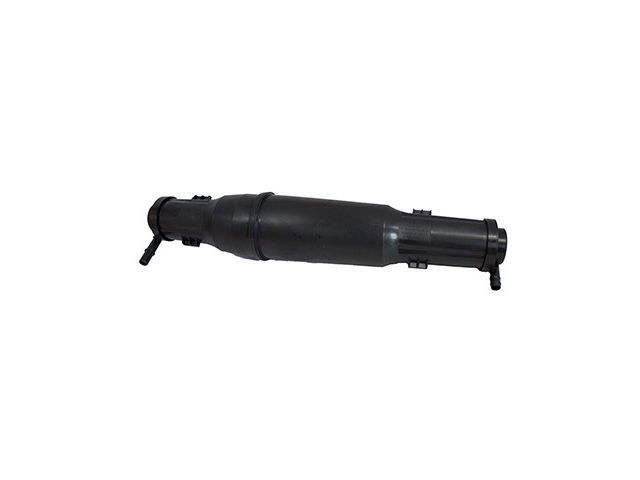
The vapor canister is part of the Evaporative Emission Control (EVAP) system. It contains activated charcoal to absorb fuel vapors. The system includes a canister, a purge valve (or solenoid), and a vent valve (or solenoid) to control vapor flow.
We Have This Part in Stock


The information in this article is provided for general reference and educational purposes only. Vehicle specifications, procedures, and part compatibility can vary by production date, trim level, and region. Always consult your vehicle's factory service manual and verify part numbers before purchasing or performing repairs. Safety-critical components such as airbags, seat belts, and braking systems should be installed by a qualified professional.
- Ford Explorer: