

Audi A6 Engine Camshaft Position Sensor Guide (2006-2019)
Resolve stalling, rough idling, and starting issues in your C6 or C7 Audi A6 by understanding and replacing the right camshaft sensor.
- A bad camshaft sensor on an Audi A6 will typically cause a Check Engine Light, stalling, rough idle, and hard starting.
- Always scan for codes like P0341 (Bank 1) or P0346 (Bank 2) to identify which sensor has failed before purchasing a replacement.
- For reliability, choose an OEM-supplier brand like Delphi, Hella, or Bremi; a cheap sensor can cause persistent problems.
- Replacement is a simple DIY task for many, usually requiring only basic tools and about 30-60 minutes.
Is Your Audi A6 Stalling or Running Rough?

If your 2006-2019 Audi A6 is experiencing issues like a check engine light, unexpected stalling, or difficulty starting, a failing engine camshaft position sensor could be the culprit. These sensors are vital for modern engine management, but they can fail due to heat, vibration, and age. This guide will help you understand the symptoms, choose the right aftermarket replacement, and know what to expect from the repair.
Symptoms of a Bad Camshaft Position Sensor on an Audi A6


A bad camshaft sensor can cause a range of problems, from annoying to serious. The most common sign is the check engine light (CEL) on your dashboard. You may also experience:
- Engine Stalling: The engine may shut off unexpectedly while idling at a stoplight or even while driving.
- Hard Starting or No Start: The car may crank for a long time before starting, or it may not start at all.
- Rough Idle and Misfires: The engine may shake or run unevenly, sometimes sounding like a diesel. This is due to incorrect timing.
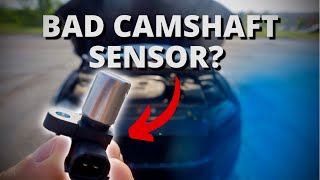
- Poor Acceleration: You might notice the car feels sluggish or lacks power when you press the gas pedal. 🎬 Watch: A visual guide to bad camshaft sensor symptoms
- Reduced Fuel Economy: When the engine timing is off, it burns more fuel than necessary.
A diagnostic scan will often reveal fault codes like P0341 (Bank 1 Sensor) or P0346 (Bank 2 Sensor).
Don't Ignore the Check Engine Light
While a camshaft sensor issue might not immediately stop your car, continuing to drive can lead to unexpected stalling, which is a safety risk. It can also potentially cause damage to other components like the catalytic converter over time.
Choosing the Right Aftermarket Sensor

When it comes to Audi engine sensors, quality matters. A cheap, poorly made sensor can fail quickly or provide inaccurate readings, leading to the same problems you were trying to fix. Here’s a breakdown of the available aftermarket brands to help you make an informed choice.
Tier 1: OEM Supplier Quality
These brands are often the original equipment manufacturers (OEM) for Audi and other German automakers. They offer the highest quality and reliability outside of a genuine Audi-branded part.
- Bremi, Delphi, Hella, Hitachi, NGK: These are well-respected brands known for producing reliable electronic components that meet or exceed OEM specifications. Choosing one of these is your safest bet for a long-lasting repair.
Tier 2: Reputable Aftermarket
These brands have a long history in the aftermarket and are known for providing good quality parts at a more accessible price point. They are a solid choice for most repairs.
- Beck Arnley, Standard Ignition (SMP), Walker Products, Dorman: These companies specialize in reverse-engineering OEM parts. While generally reliable, quality can sometimes be inconsistent compared to Tier 1. However, they are a significant step up from budget options.
Tier 3: Value-Oriented
These brands compete primarily on price. They can be a viable option for a budget-conscious repair, but be aware that their lifespan and performance may not match the higher-tiered brands.
- Facet, Global Parts, Holstein, Prenco, True Tech, Vemo: These are best for older, higher-mileage vehicles or when budget is the primary concern. It's wise to check reviews for the specific part number if considering this tier.
Pro Tip: Check Your Engine Code First
Before buying a new sensor, get your car scanned with an OBD2 tool. The code will tell you which sensor is failing (e.g., Bank 1 or Bank 2 on V6/V8 engines), ensuring you buy the correct part. 🎬 See how to fix the P0341 code in minutes Sometimes, swapping sensors between banks can confirm if the sensor itself is the problem.
Cost of Replacing an Audi A6 Camshaft Position Sensor
| Part/Service | Estimated Cost |
|---|---|
| New Aftermarket Sensor | $22.69 - $74.03 |
| New OEM Sensor | $90 - $150 |
| Shop Labor | $75 - $150 |
| Total Professional Replacement (Aftermarket) | $98 - $225 |
| Total Professional Replacement (OEM) | $165 - $300 |
Cost estimates are for a single sensor and can vary based on your location, vehicle's engine, and the specific repair shop.
Frequently Asked Questions (FAQ)
How many camshaft position sensors does my Audi A6 have?
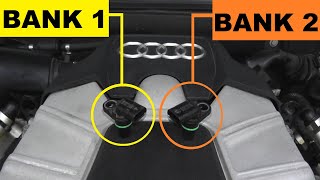
It depends on your engine. Four-cylinder engines (like the 2.0T) typically have two sensors (one for the intake cam, one for the exhaust cam). V6 and V8 engines will have four sensors, one for each of the four camshafts (Intake/Exhaust for Bank 1 and Intake/Exhaust for Bank 2).
Is this a difficult DIY repair?
For most mechanically inclined owners, this is a very feasible DIY job. The sensors are usually located on the top of the engine at the front or rear of the cylinder heads and are held in by a single T30 Torx bolt. The main challenge is often accessing the sensor, which may require removing an engine cover or air intake hose. The job typically takes less than an hour.
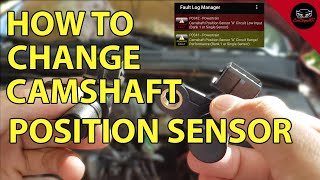
🎬 Watch: How to change the sensor and clear fault codesDoes a camshaft sensor code always mean the sensor is bad?
Not always. While the sensor itself is the most common failure point, the code can also be triggered by wiring issues, a loose connector, or even more serious mechanical problems like a stretched timing chain or faulty cam adjuster solenoid. If a new sensor doesn't fix the problem, the issue may lie elsewhere in the system.
What is the difference between a camshaft and crankshaft sensor?
They perform similar functions but monitor different parts. The camshaft sensor tracks the position of the cams in the top of the engine, while the crankshaft sensor tracks the position of the crankshaft at the bottom. Both are critical for engine timing, but they are not interchangeable. A failure in either can cause similar symptoms.
Helpful Videos

![How to Fix AUDI P0341 Engine Code in 3 Minutes [2 DIY Methods / Only $9.76]](https://img.youtube.com/vi/MFxepqWwnb4/mqdefault.jpg)
Technical Specifications
OEM Part Numbers: 07L905163C 06M907601G 07L905163B 07L905163A 058905161B
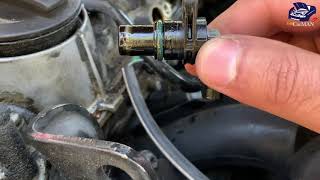
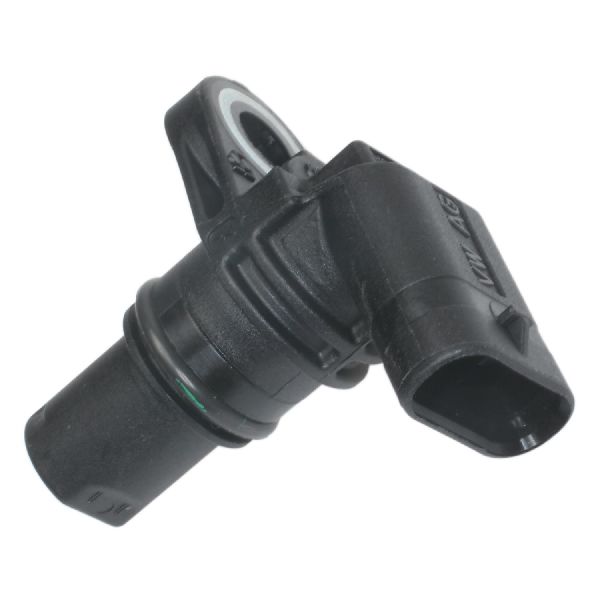
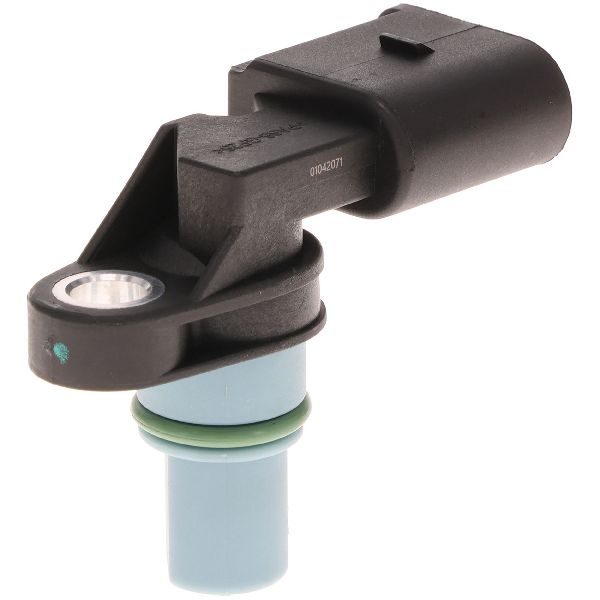
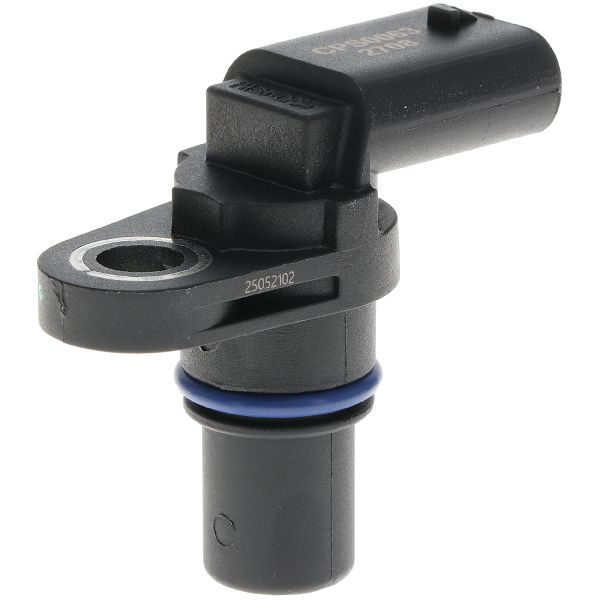
The sensor is a Hall-effect type, which uses a magnetic field to detect the position of the camshaft. It typically has a 3-pin connector that provides power, ground, and a signal back to the ECU. The sensor is sealed with an O-ring to prevent oil leaks.
We Have This Part in Stock


The information in this article is provided for general reference and educational purposes only. Vehicle specifications, procedures, and part compatibility can vary by production date, trim level, and region. Always consult your vehicle's factory service manual and verify part numbers before purchasing or performing repairs. Safety-critical components such as airbags, seat belts, and braking systems should be installed by a qualified professional.
- Audi A6: