

Honda Ridgeline (2006-2015) Oxygen Sensor: A Complete Guide
Bad gas mileage and a check engine light on your Ridgeline? It might be a failing oxygen sensor.
- Your 2006-2015 Ridgeline has four oxygen sensors; two upstream (A/F Ratio) and two downstream.
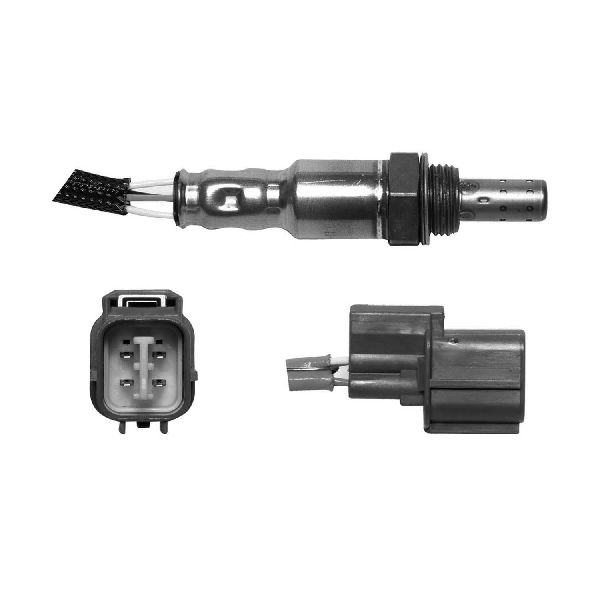
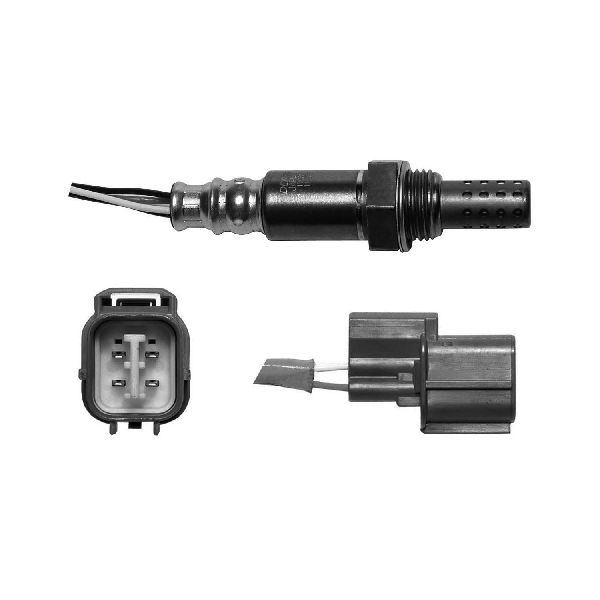
- For best results and to avoid compatibility issues, use direct-fit sensors from Denso or NGK (NTK), which are OEM suppliers for Honda.
- A bad oxygen sensor will cause a check engine light, poor gas mileage, and can damage your catalytic converter over time.
- Always diagnose the problem with an OBD-II scanner to confirm which of the four sensors has failed before ordering a replacement.
Is Your Ridgeline's Check Engine Light On?

A common reason the check engine light comes on in a 2006-2015 Honda Ridgeline is a failing oxygen sensor. When a sensor goes bad, it can't send the right signals to your truck's computer. This can lead to several noticeable problems.
Symptoms of a Bad Oxygen Sensor
- Check Engine Light: The most common sign is an illuminated check engine light. Codes like P0134, P0154, P0420, or P0430 often point to an O2 sensor issue.
- Worse Fuel Economy: The engine's computer may deliver too much fuel, causing you to visit the gas station more often.
- Rough Idle and Poor Performance: You might notice your Ridgeline running rough, hesitating when you accelerate, or even stalling.
- Failed Emissions Test: A bad sensor can cause an increase in harmful emissions, leading to a failed smog check.
Upstream vs. Downstream Sensors
Your Ridgeline has four sensors in total. The upstream sensors (also called Air/Fuel Ratio sensors) are located before the catalytic converters and are critical for adjusting the air-fuel mix. 🎬 Watch: Step-by-step guide to replacing your upstream oxygen sensors. The downstream sensors are located after the catalytic converters and mainly monitor the converters' efficiency. Upstream sensors are more expensive and do more work, while downstream sensors confirm the emissions system is working. It is crucial to identify which specific sensor has failed before buying a replacement.
🎬 See this video to identify Bank 1 vs Bank 2.Choosing the Right Aftermarket Oxygen Sensor

When replacing an oxygen sensor, you don't have to buy the expensive OEM part from the dealer. High-quality aftermarket brands often provide the same performance for less money. For Honda vehicles, some brands are known to work better than others.
| Brand Tier | Brands | Why? |
|---|---|---|
| Tier 1 (OEM or Better) | Denso, NGK (NTK) | Denso and NGK are original equipment suppliers for Honda. Choosing these brands is the closest you can get to the factory part, ensuring perfect fit and function. Many Ridgeline owners and mechanics strongly recommend them. |
| Tier 2 (Reliable Aftermarket) | Bosch | Bosch invented the oxygen sensor and is a globally trusted brand. While generally very reliable, some vehicle owners report that certain Honda models are sensitive and perform best with Denso or NGK. |
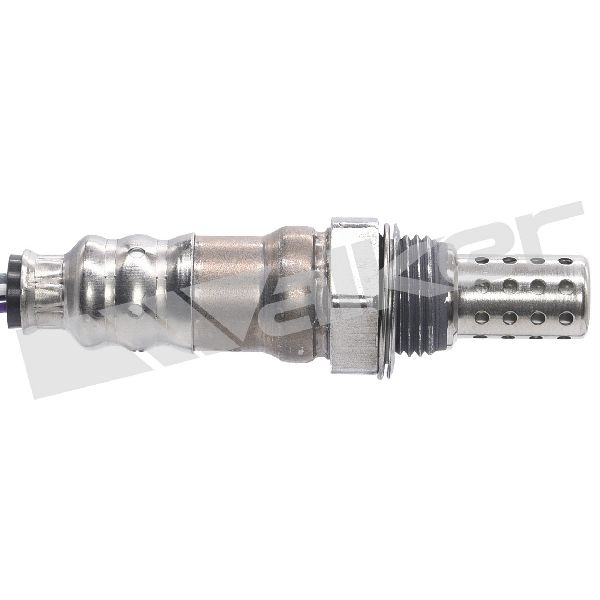
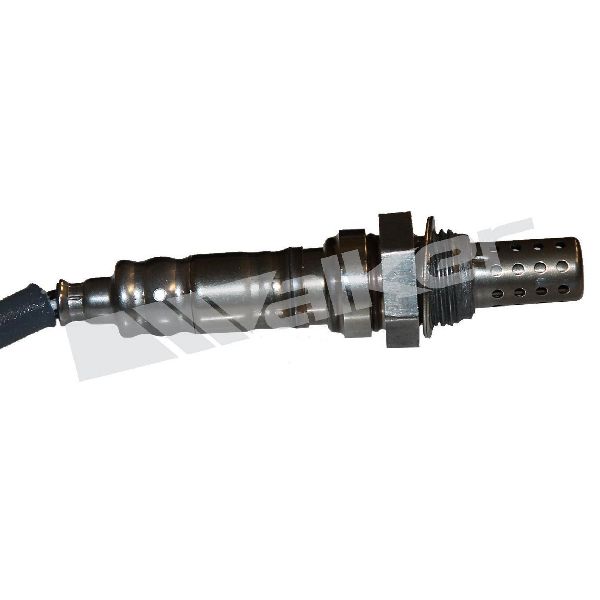
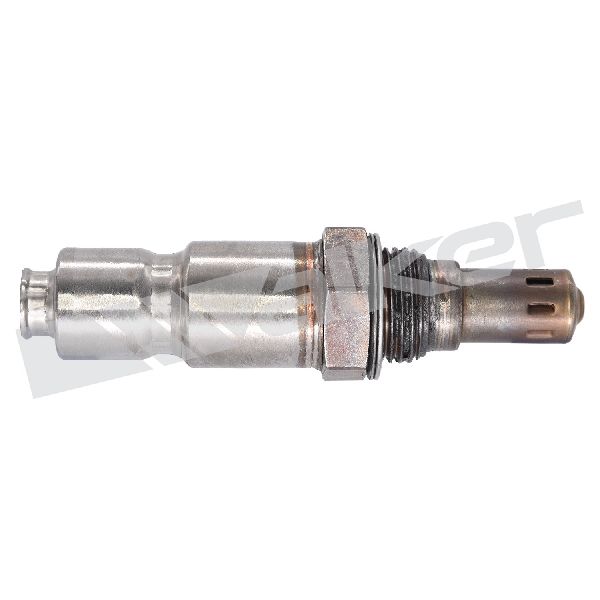
| Tier 3 (Budget Options) | Walker Products, Spectra, DriveWire | These brands offer a more affordable price point. They can be a good choice for a budget repair, but may not have the same longevity or precise calibration as the Tier 1 brands. |
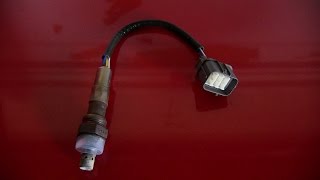
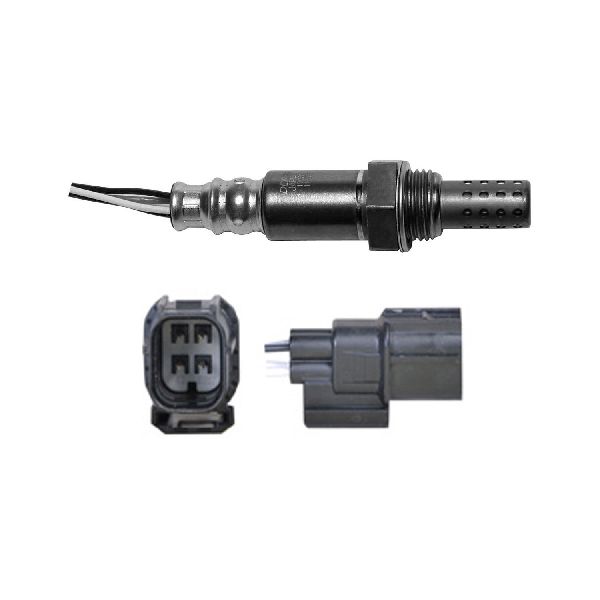
Pro Tip: Always use a "direct-fit" sensor. These come with the correct electrical connector for your Ridgeline, so you don't have to cut and splice wires. Universal sensors are cheaper but require extra work and create potential points of failure.
🎬 Watch: A pro tip for disconnecting stubborn electrical plugs.Frequently Asked Questions


How many oxygen sensors does my 2006-2015 Ridgeline have?
Your Ridgeline has four oxygen sensors. There are two upstream (Bank 1 Sensor 1 and Bank 2 Sensor 1) and two downstream (Bank 1 Sensor 2 and Bank 2 Sensor 2). Bank 2 is at the front of the engine (near the radiator), and Bank 1 is at the rear (near the firewall).
What tools do I need to replace an oxygen sensor?
You will need a special tool called an oxygen sensor socket, which has a slot for the wire. You'll also need a ratchet and possibly an extension. Letting the exhaust cool down is essential for safety, but sometimes a slightly warm (not hot) pipe can make it easier to loosen a stubborn sensor.
Can I clean my oxygen sensor instead of replacing it?
It is not recommended to clean an oxygen sensor. The internal sensing element is delicate, and cleaning attempts can damage it or provide only a temporary fix. Replacement is the only reliable solution for a failed sensor.
Why are upstream sensors more expensive than downstream ones?
Upstream sensors are a more complex type called Air/Fuel Ratio (A/F) sensors. They provide a more precise, wide-range reading that the computer uses for constant fuel adjustments. Downstream sensors are a simpler, narrow-range type that just switches between rich and lean to monitor the catalytic converter. This difference in technology and function accounts for the price difference.
Helpful Videos
![How to Fix HONDA P0420 Engine Code in 3 Minutes [3 Methods / Only $19.99]](https://img.youtube.com/vi/D02jU2QKVHM/mqdefault.jpg)
Technical Specifications
OEM Part Numbers: 36531-RCA-A02 36531-RN0-A01 36532-RJA-A01
The 3.5L V6 engine in the 2006-2015 Ridgeline uses four oxygen sensors. Two are upstream Air/Fuel Ratio (A/F) sensors (Bank 1 Sensor 1 & Bank 2 Sensor 1) and two are downstream Heated Oxygen Sensors (HO2S) (Bank 1 Sensor 2 & Bank 2 Sensor 2). Bank 1 is the rear cylinder bank near the firewall, and Bank 2 is the front cylinder bank near the radiator.
We Have This Part in Stock

The information in this article is provided for general reference and educational purposes only. Vehicle specifications, procedures, and part compatibility can vary by production date, trim level, and region. Always consult your vehicle's factory service manual and verify part numbers before purchasing or performing repairs. Safety-critical components such as airbags, seat belts, and braking systems should be installed by a qualified professional.
- Honda Ridgeline: