

A Guide to Oxygen Sensor Replacement for the 2006-2014 Nissan Altima
Everything you need to know before buying a new aftermarket oxygen sensor for your Altima.
- A failing oxygen sensor will decrease fuel economy and can damage your expensive catalytic converter if ignored.
- For best results, choose an aftermarket brand that is an OEM supplier for Nissan, like Denso or NGK/NTK.
- If you have a 2013-2014 Altima, check with a dealer about the warranty extension for the rear O2 sensor before buying a new part.
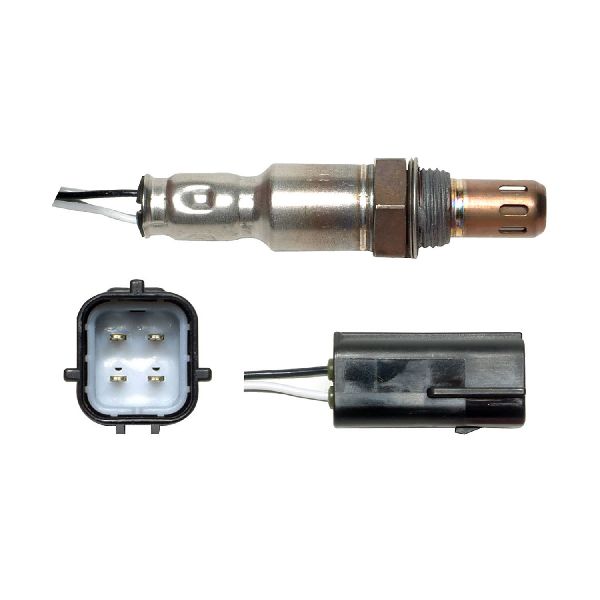
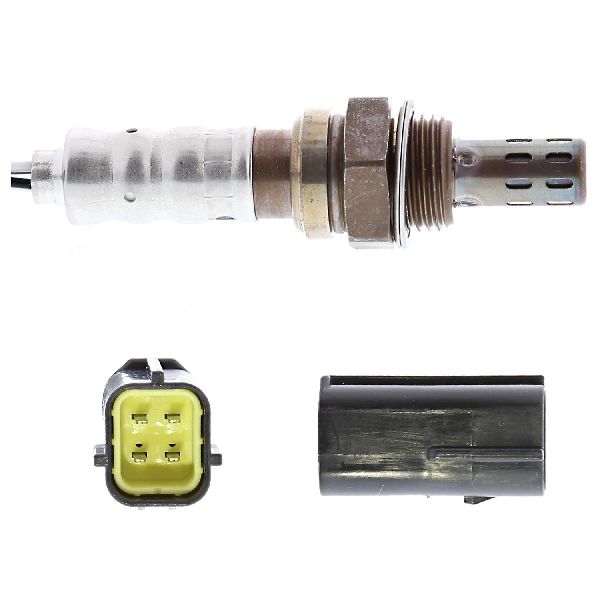
- Always use a 'direct-fit' sensor with the correct plug to avoid installation problems.
Is a Failing Oxygen Sensor a Serious Problem?

Yes and no. While you can usually drive with a bad O2 sensor, it's not a good idea to ignore it. A faulty sensor sends incorrect information to your Altima's computer, which typically results in a rich fuel mixture—too much gas, not enough air. This will cause your fuel economy to drop noticeably. Over time, this rich mixture can overwhelm and damage your catalytic converter, turning a relatively inexpensive sensor replacement into a very costly exhaust system repair. It's best to address a failing O2 sensor as soon as you can.
Known Issue: Rear Oxygen Sensor Warranty Extension (2013-2014 Models)
Nissan issued a Technical Service Bulletin (TSB NTB22-007) for 2013-2016 Altima models regarding a potential short-to-ground condition in the rear oxygen sensor. This could prevent the check engine light from illuminating even if there's a problem. Due to this, Nissan extended the warranty for this specific issue to 20 years or 200,000 miles. If you own a 2013 or 2014 Altima and suspect a rear O2 sensor issue, it's worth contacting a Nissan dealer to see if this warranty extension applies to your vehicle.
Choosing the Right Aftermarket Oxygen Sensor

When shopping for an aftermarket oxygen sensor for your Altima, you'll find a wide range of brands and prices. For a Japanese vehicle like your Nissan, sticking with brands that are known OEM (Original Equipment Manufacturer) suppliers is the safest bet for quality and fitment.
- Premium Tier (OEM-Quality): Denso & NGK (NTK)
Denso and NGK (which sells sensors under the NTK brand) are the original equipment suppliers for many Japanese automakers, including Nissan. Choosing a Denso or NTK sensor is the closest you can get to buying a genuine Nissan part without the high dealership price tag. These sensors are designed for a perfect fit, correct electrical connector, and long-term reliability. For a hassle-free replacement, these are your best choices. - Mid-Tier (Reputable Aftermarket): Bosch, Delphi, Hella
Bosch is a pioneer in oxygen sensor technology and a massive OEM supplier for many European brands. While their quality is generally high, some mechanics and owners report occasional compatibility issues when using their aftermarket sensors on Japanese vehicles. They are a solid choice but may not be as consistently plug-and-play as Denso or NTK for your Altima. Delphi and Hella are also reputable manufacturers with a long history of producing quality electronic components. - Standard/Economy Tier: Walker Products, DriveWire, Facet
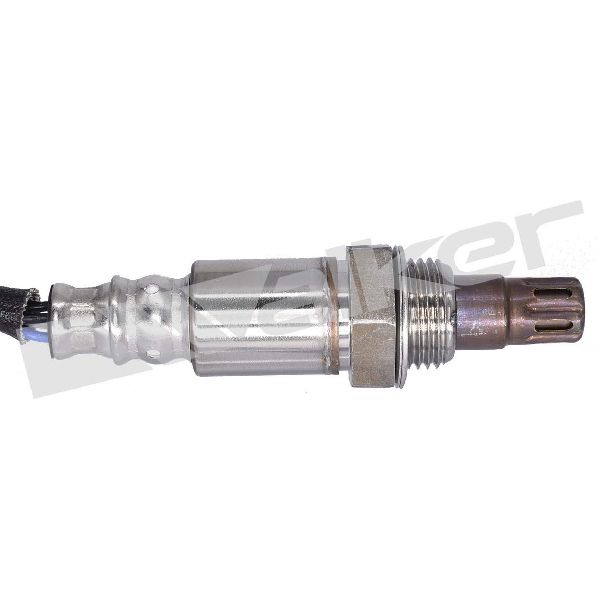
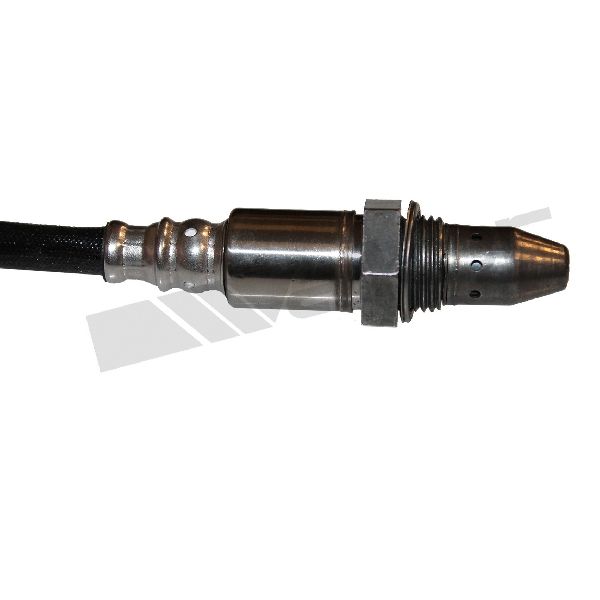
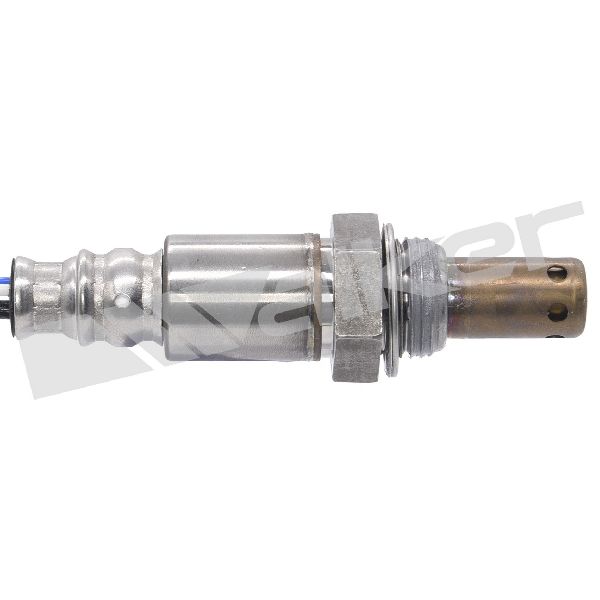
These brands offer a more budget-friendly option. Walker Products is a well-known name in exhaust components, but some owner feedback suggests their sensors may not have the same longevity or precise fit as the premium brands. These can be a viable option if budget is the primary concern, but be aware that you might be sacrificing some quality and lifespan compared to an OEM-grade part.
Pro Tip: Always Choose "Direct-Fit"
Avoid "universal" oxygen sensors that require you to cut and splice wires. While cheaper, they introduce a potential point of failure. A direct-fit sensor comes with the correct length and the proper connector for your Altima, making the installation much easier and more reliable.
How Much Does an Oxygen Sensor Cost for a 2006-2014 Nissan Altima?
The cost can vary significantly based on the brand and whether you're buying an upstream (Air/Fuel Ratio) or downstream sensor. Upstream sensors are typically more complex and expensive.
| Part Type | Typical Price Range |
|---|---|
| New OEM (Dealer) | $175 - $335+ |
| New Aftermarket (Premium) | $80 - $180 |
| New Aftermarket (Standard) | $40 - $90 |
| Shop Labor | $80 - $150 |
Frequently Asked Questions

How many oxygen sensors does my Altima have?
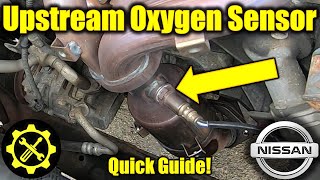
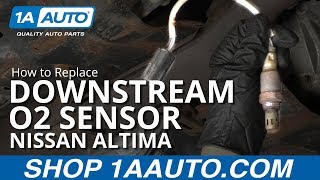
It depends on your engine. The 4-cylinder (2.5L) engine has two sensors: one upstream (before the catalytic converter) and one downstream (after the catalytic converter). The V6 (3.5L) engine has four sensors: two upstream (one for each cylinder bank) and two downstream.
What tools do I need to replace an oxygen sensor?
The job is fairly simple for a DIYer. You will need a special oxygen sensor socket, which is a socket with a slit down the side for the wire to pass through. Alternatively, a 22mm or 7/8" wrench can sometimes work, but the socket is highly recommended. You may also need some penetrating oil to loosen the old sensor, as it can be seized in the exhaust pipe from heat and rust.
🎬 Watch: Pro tips for removing a stuck or seized sensor.What are the common fault codes for a bad O2 sensor?
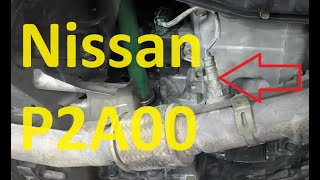
A check engine light will often be accompanied by a Diagnostic Trouble Code (DTC). Common codes related to oxygen sensor failure on a Nissan include P0130, P0131, P0135 (Upstream Sensor), P0137 (Downstream Sensor), P0171 (System Too Lean), and P2A00 (A/F Sensor Circuit Range/Performance).
Should I replace multiple sensors at once?
Oxygen sensors tend to age at a similar rate. If one has failed due to high mileage (over 80,000-100,000 miles), the others are likely not far behind. If your budget allows, it's a good preventative measure to replace them in pairs (both upstream or both downstream on a V6) or all at once to save yourself future headaches.
Helpful Videos
Technical Specifications
OEM Part Numbers: 22693-3TY0A 22693-3TY0B 226A0-ET000 226A0-JA10C 22693-ZX00A
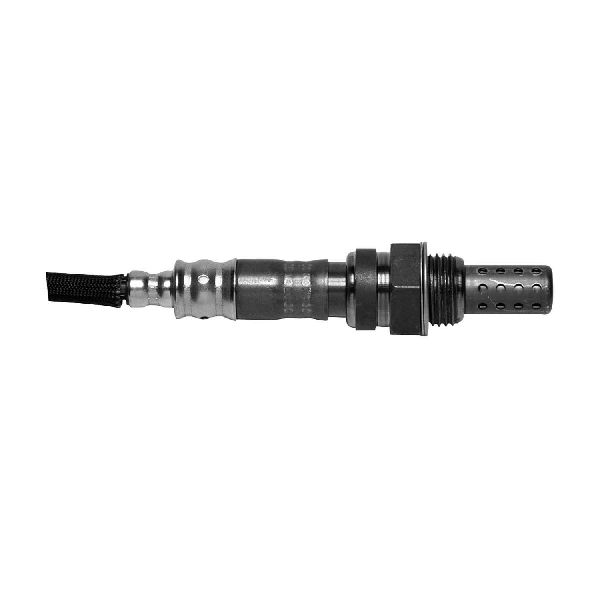
Your Altima uses heated, 4-wire oxygen sensors. The 2.5L I4 engine has one upstream (Air/Fuel Ratio) and one downstream sensor. The 3.5L V6 has two upstream and two downstream sensors. Connectors and wire lengths are specific to the location (upstream/downstream) and engine type.
We Have This Part in Stock

The information in this article is provided for general reference and educational purposes only. Vehicle specifications, procedures, and part compatibility can vary by production date, trim level, and region. Always consult your vehicle's factory service manual and verify part numbers before purchasing or performing repairs. Safety-critical components such as airbags, seat belts, and braking systems should be installed by a qualified professional.
- Nissan Altima: