

A Guide to Replacing Oxygen Sensors on the 2006-2014 Audi A3 Quattro
Everything you need to know before buying and replacing a failing oxygen sensor on your A3.
- Bosch is the likely OEM supplier, but high-quality aftermarket brands like NGK and Denso are excellent alternatives.
- Always use a direct-fit sensor with the correct electrical connector; avoid universal, splice-in types.
- Confirm the exact sensor location (e.g., Bank 1 Sensor 1) with a code scanner before buying a replacement.
- Ignoring a bad O2 sensor can lead to costly damage to your catalytic converter.
Is Your Audi A3 Quattro Oxygen Sensor Failing?

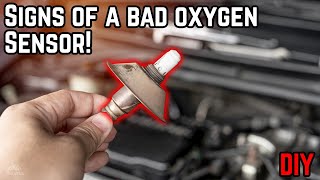
A failing oxygen sensor is a common issue on the 8P generation A3. Because the sensor directly impacts the engine's air-fuel mixture, symptoms are often noticeable and shouldn't be ignored. The first and most obvious sign is an illuminated Check Engine Light on your dashboard.
Symptoms of a Bad O2 Sensor:
- Poor Fuel Economy: One of the most common signs is your car using more gas than usual. A bad sensor can cause the engine to run rich, wasting fuel.
- Rough Idle or Engine Misfires: Your engine may idle unevenly, hesitate, or misfire because the air-fuel ratio is incorrect.
- Reduced Power and Slow Acceleration: A faulty sensor can prevent the engine from producing optimal power, making the car feel sluggish.
- Rotten Egg Smell: An unusual sulfur or rotten egg smell from the exhaust can indicate a bad O2 sensor is causing too much fuel to enter the exhaust system.
- Failed Emissions Test: A malfunctioning O2 sensor is a primary reason for failing a state emissions inspection.
Can You Drive with a Bad O2 Sensor?
While your A3 will still run with a bad oxygen sensor, it's not recommended for long. Ignoring the problem leads to poor fuel mileage and performance. More critically, it can cause unburnt fuel to enter the exhaust and damage the catalytic converter—a significantly more expensive part to replace.
Choosing the Right Aftermarket Oxygen Sensor

When shopping for a replacement, you must distinguish between OEM and aftermarket brands, as well as between sensor positions.
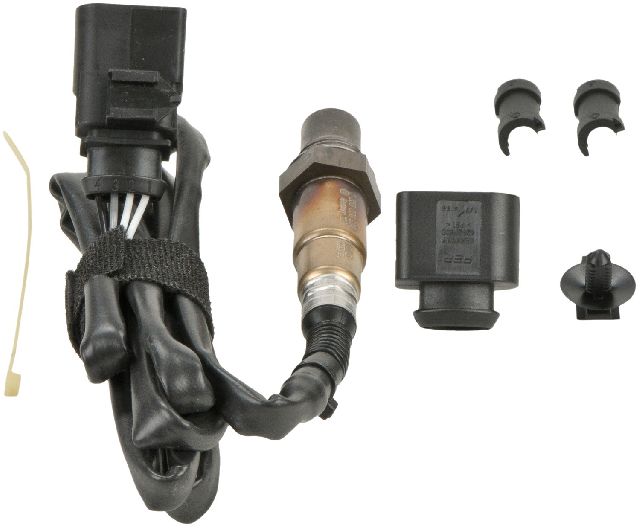
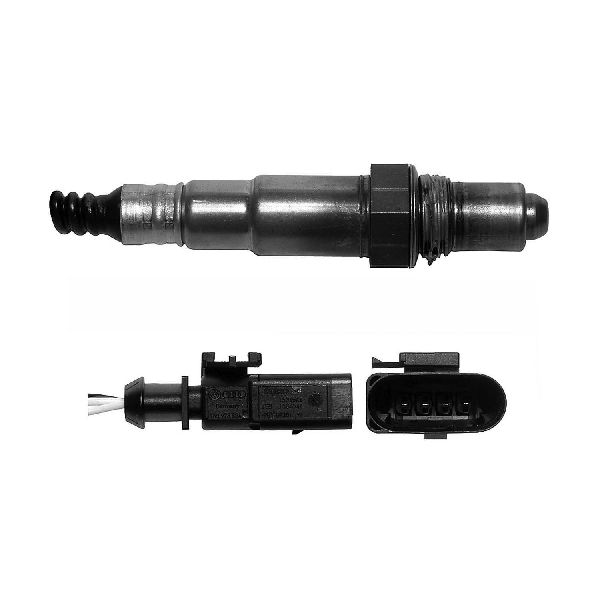
Upstream vs. Downstream: Your A3 Quattro has at least two O2 sensors, and they are not interchangeable. The upstream sensor (also called Bank 1, Sensor 1) is a wideband air-fuel ratio sensor and is more expensive. The downstream sensor (Bank 1, Sensor 2) monitors the catalyst. V6 models have four sensors (an upstream and downstream for each engine bank). Always confirm the exact position of the failed sensor by reading the diagnostic trouble code before ordering.
Aftermarket Brand Quality:
- OEM-Tier (Bosch, NGK/NTK, Denso): Bosch is the original equipment manufacturer for many VW/Audi parts, making it a reliable choice. However, some owners report a difference in quality between Bosch's OEM line and their standard aftermarket offerings. NGK (also sold as NTK) and Denso are consistently rated by mechanics and owners as top-quality, durable alternatives that often meet or exceed OEM standards.
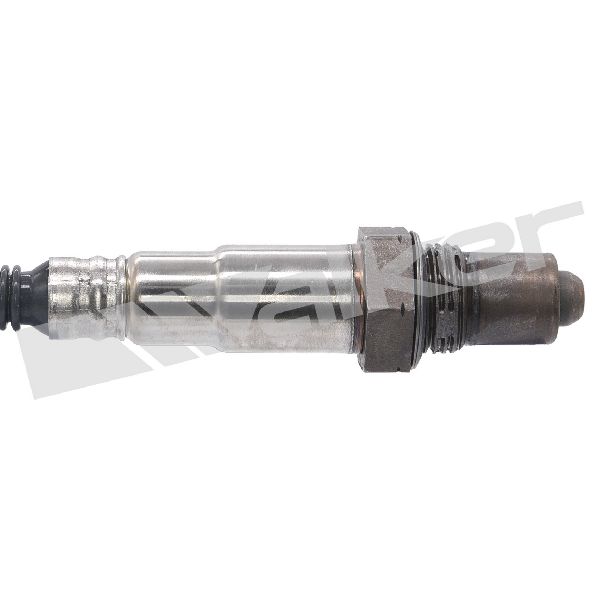
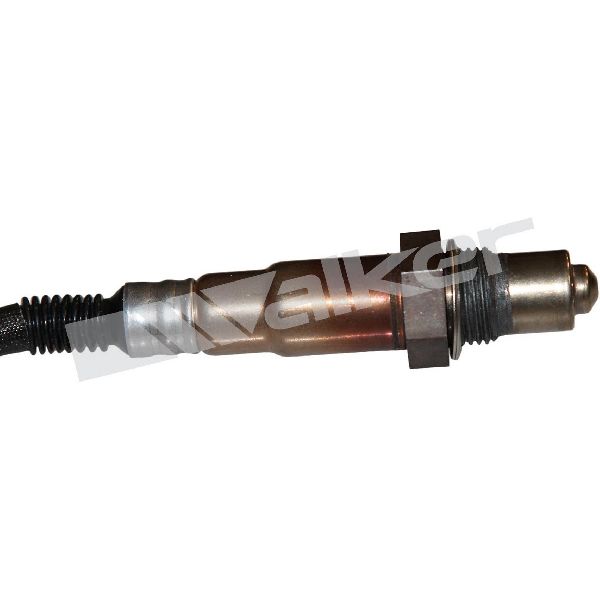
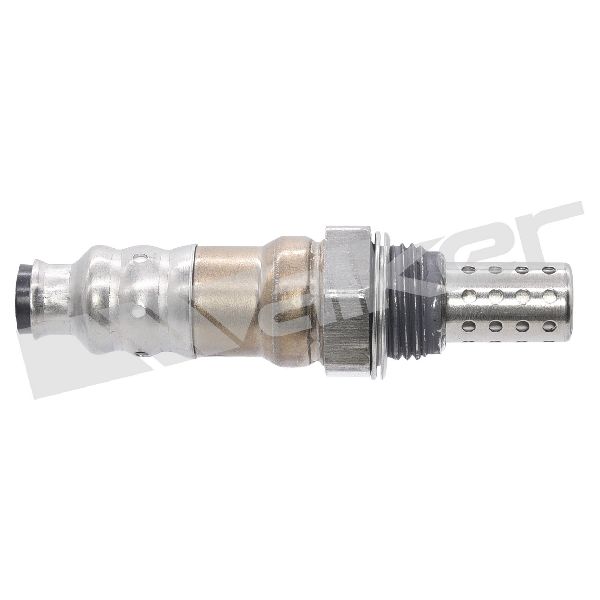
- Quality Aftermarket (Delphi, Walker Products): Brands like Delphi and Walker Products are known for providing a good balance of quality and value. They are often recommended by professional installers as reliable, direct-fit replacements that perform well without the high cost of OEM parts.
- Value Brands (DriveWire, Spectra, Vemo): These brands offer a budget-friendly option. While they can be a good value, their long-term durability may not match that of the higher-tier brands. They are best suited for owners looking for the most affordable, immediate fix.
Known Issues for 2006-2014 Audi A3 Quattro

An emissions recall (Code: 23W1) was issued for certain 2010-2013 Audi A3 2.0L TDI models. The issue involved a faulty air box snow flap that could cause the oxygen sensor to fail prematurely. The recall service included an inspection and, if necessary, free replacement of the oxygen sensor. No widespread recalls for O2 sensors have been issued for the 2.0T or 3.2L gasoline engines in this year range.
Oxygen Sensor Replacement Cost
The cost to replace an oxygen sensor depends on the sensor's position (upstream is more expensive) and the brand you choose.
| Part Type | Price Range |
|---|---|
| New Aftermarket Oxygen Sensor | $30.89 - $211.79 |
| New OEM Oxygen Sensor | $150 - $350 |
| Shop Labor | $100 - $200 |
Frequently Asked Questions (FAQ)

How many oxygen sensors does my 2006-2014 A3 Quattro have?
The 2.0T inline-four engine has two oxygen sensors: one upstream (before the catalytic converter) and one downstream (after the catalytic converter). The 3.2L V6 engine has four oxygen sensors: one upstream and one downstream for each of the two engine banks.
How difficult is it to replace an O2 sensor myself?
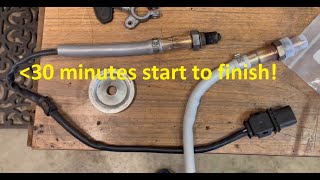
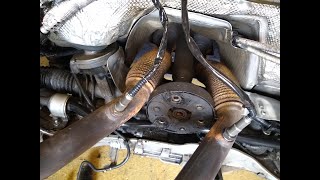
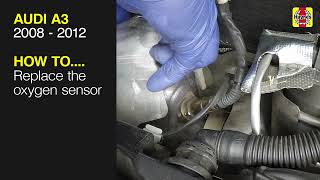
For a DIY mechanic, the difficulty is moderate. The upstream sensor on the 2.0T is often accessible from the engine bay. However, downstream sensors and the sensors on the 3.2L V6 can be harder to reach, sometimes requiring removal of a heat shield. The biggest challenge is often the sensor being seized in the exhaust pipe due to rust and heat cycles. A special 22mm slotted socket is required.
Should I replace all O2 sensors at once?
It is not strictly necessary. You only need to replace the sensor that has failed and triggered the trouble code. However, since O2 sensors have a similar lifespan (typically 60,000 to 100,000 miles), if one fails due to age, the others may not be far behind. If your budget allows and the sensors are difficult to access, replacing them in pairs (both upstream or both downstream on a V6) can save on future labor costs.
Can I clean my oxygen sensor instead of replacing it?
While some people attempt to clean O2 sensors, it is generally not a reliable or long-term solution. The sensor's internal element wears out over time, and failure is often caused by contamination that cannot be easily cleaned. Replacement is the only guaranteed fix for a failed sensor.
Helpful Videos
Technical Specifications
OEM Part Numbers: 06J906262AA 1K0998262N 1K0998262E 03L906262B
The required tool for removal and installation is a 22mm (7/8 inch) slotted oxygen sensor socket. New sensors should be tightened to the manufacturer's torque specification, which is often around 37 Nm. Applying high-temperature anti-seize grease to the threads of the new sensor is recommended for easier future removal.
We Have This Part in Stock


The information in this article is provided for general reference and educational purposes only. Vehicle specifications, procedures, and part compatibility can vary by production date, trim level, and region. Always consult your vehicle's factory service manual and verify part numbers before purchasing or performing repairs. Safety-critical components such as airbags, seat belts, and braking systems should be installed by a qualified professional.
- Audi A3 Quattro: