

A Guide to Spark Plug Replacement for the 2006-2013 Toyota RAV4
Keep your RAV4's engine running smoothly by understanding when and how to replace your spark plugs.
- For best results, use OEM-equivalent Iridium spark plugs from Denso or NGK.
- The replacement job is easy on 4-cylinder engines but significantly more difficult on V6 models due to the rear plugs being under the intake manifold.
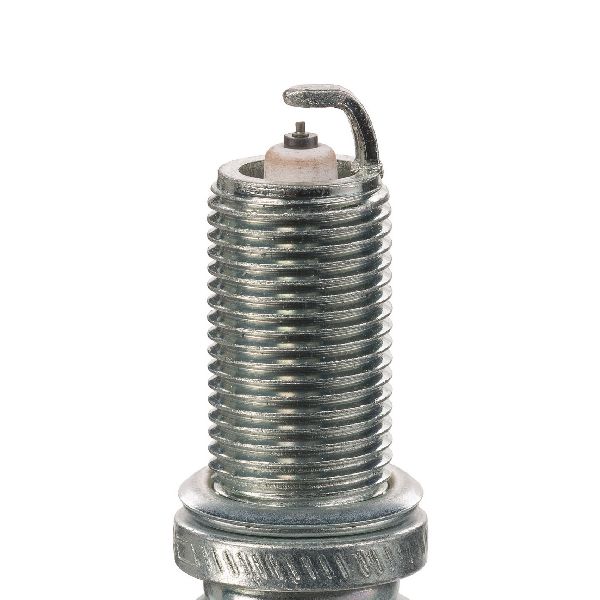
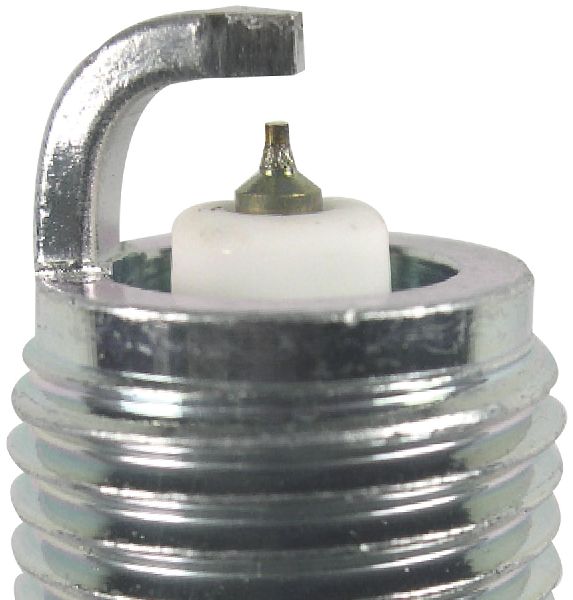
- Most quality aftermarket plugs come pre-gapped; avoid adjusting fine-wire iridium tips.
- Be cautious with anti-seize; many modern plugs do not require it and using it can lead to over-torquing.
Symptoms of Failing Spark Plugs

When your RAV4's spark plugs start to fail, you'll notice it in how your vehicle drives. Worn plugs can't create a strong enough spark, leading to poor combustion. Look out for these common signs:
- Rough Idling: Your engine may feel shaky or uneven when the vehicle is stopped.
- Engine Misfires: You might feel a hesitation or stumbling from the engine, especially under acceleration. This can trigger the check engine light with codes like P0300 through P0306.
- Reduced Fuel Economy: If you're filling up your gas tank more often, worn spark plugs could be wasting fuel.
- Poor Acceleration: A noticeable lack of power when you press the gas pedal can be a sign of failing plugs.
- Difficulty Starting: While less common with modern ignition systems, very worn plugs can make it harder for the engine to start.
Choosing the Right Aftermarket Spark Plugs

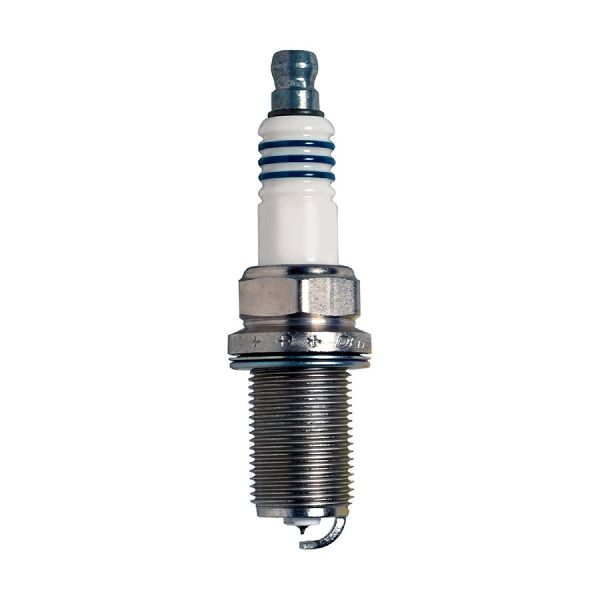
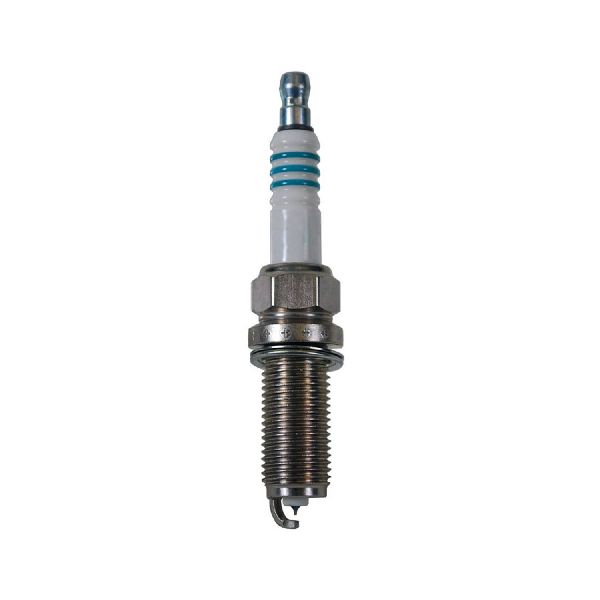
Toyota originally equipped the RAV4 with high-quality Iridium spark plugs, typically from Denso or NGK. These are considered the gold standard and offer a long service life. When choosing aftermarket replacements, it's best to stick with these brands for proven performance and reliability.
Brand Quality Tiers
| Tier | Brands | Description |
|---|---|---|
| Top Tier (OEM equivalent) | Denso, NGK | These are the original equipment manufacturers for Toyota. Choosing Denso or NGK Iridium plugs is the safest bet for maintaining original performance and longevity. They are designed specifically for your RAV4's engine. |
| Mid-Grade | Bosch, Champion | Bosch offers Double Iridium plugs that are a popular and reliable alternative. Champion also provides quality options. These brands are a good balance of price and performance, though they may not be specifically tuned for Toyota engines in the same way as Denso or NGK. |
| Economy | Autolite, Skyward | These brands offer more budget-friendly options, often using platinum or copper materials instead of iridium. While they will work, they generally have a shorter lifespan and may not provide the same level of performance or fuel efficiency as iridium plugs. They can be a fine choice for short-term needs but expect to replace them more frequently. |
A Note on Plug Materials
Iridium and Platinum plugs last much longer, often up to 100,000 miles, and provide a more consistent spark. Copper plugs are cheaper but have a much shorter service life. For the 2006-2013 RAV4, sticking with the recommended Iridium plugs is highly advised for best results.
Known Issues, Recalls, and Service Bulletins
During my research, no specific recalls or Technical Service Bulletins (TSBs) were found directly related to spark plugs for the 2006-2013 Toyota RAV4. However, a recall was issued for 2013-2018 models concerning replacement 12-volt batteries that, if not secured properly, could cause a short circuit and fire risk. This does not directly involve the spark plugs but is a notable safety issue for the vehicle generation. Always check for recalls using your vehicle's VIN on the NHTSA website.
Installation Differences: 4-Cylinder vs. V6

Replacing the spark plugs on a 2006-2013 RAV4 is a very different job depending on your engine.
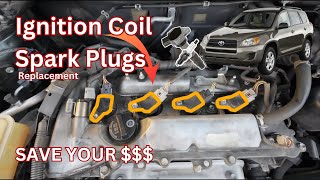
4-Cylinder (2AZ-FE & 2AR-FE engines): This is a straightforward and easy DIY job. The four ignition coils and spark plugs are located directly on top of the engine and are easily accessible once the plastic engine cover is removed. The entire process can often be completed in under an hour.
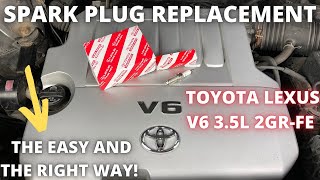
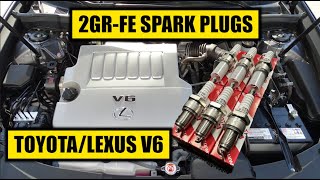
🎬 Watch this easy DIY walkthrough for 4-cylinder spark plug replacement.V6 (2GR-FE engine): This job is significantly more difficult. The front three spark plugs are easy to access, just like on the 4-cylinder model. However, the rear three plugs are located underneath the intake manifold. To access them, the entire intake manifold must be removed. While some experienced mechanics have found ways to do it without completely removing the manifold, it is a tight and challenging job that is much more time-consuming. For most DIYers, this is a moderate to difficult task.
🎬 See how to access those tricky rear plugs on V6 engines.Important for V6 Owners
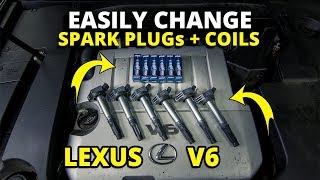
If you are replacing the spark plugs on the V6 engine, you will also need to replace the intake manifold gaskets. It is critical to use new gaskets to prevent vacuum leaks after the job is done.
🎬 Follow this step-by-step tutorial for a successful V6 plug change.Frequently Asked Questions (FAQ)
Do I need to gap the spark plugs?
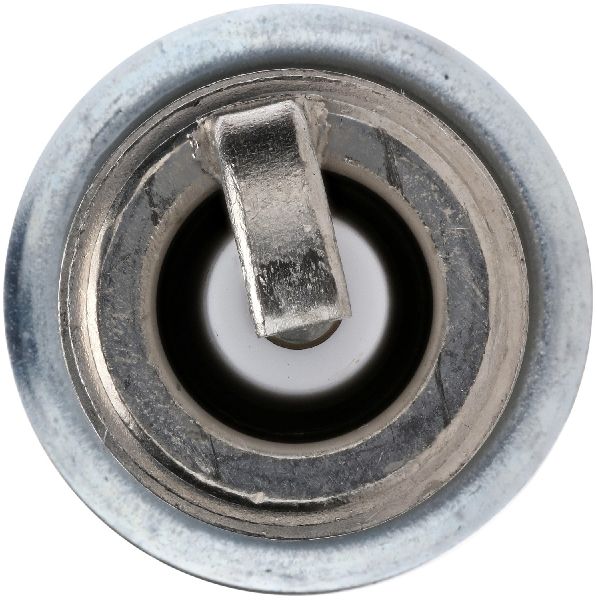
Most high-quality Iridium and Platinum spark plugs from brands like NGK and Denso come pre-gapped from the factory. It is still a good practice to gently check the gap with a feeler gauge to ensure it wasn't altered during shipping, but you should not attempt to adjust the gap on fine-wire iridium plugs as the tip is fragile and can be easily damaged.
Should I use anti-seize on the spark plug threads?
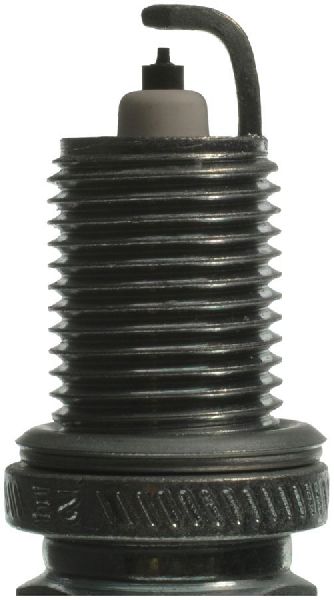
This is a debated topic. Many modern spark plugs, especially from NGK, have a special trivalent metal plating that acts as an anti-seize and anti-corrosion layer. For these plugs, the manufacturer recommends NOT using additional anti-seize, as it can cause you to over-torque the plug and damage the threads in the aluminum cylinder head. If you do choose to use anti-seize, use it sparingly and reduce the torque specification by about 30%.
What is the torque specification for the spark plugs?
The correct torque is crucial to prevent plugs from backing out or damaging the cylinder head. For this RAV4 generation, the spark plug torque specification is generally around 13-18 ft-lbs. Always verify the specific torque value for your plugs and engine.
How often should I replace the spark plugs on my RAV4?
If you use the OEM-equivalent Iridium spark plugs, the recommended replacement interval is typically every 100,000 to 120,000 miles. If you opt for less expensive platinum or copper plugs, you will need to replace them much more frequently.
Helpful Videos
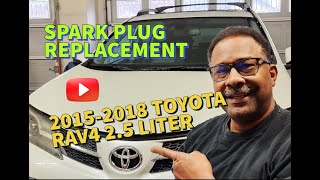
Technical Specifications
OEM Part Numbers: 90919-01247 90919-01233 90919-01210
Engine Type: 2.4L 4-Cylinder (2AZ-FE), 2.5L 4-Cylinder (2AR-FE), 3.5L V6 (2GR-FE). Spark Plug Type: Iridium (OEM). Spark Plug Socket Size: 5/8" or 16mm. Torque Spec: 13-18 ft-lbs. Recommended Gap: ~0.044 inches (pre-gapped on most quality plugs).
We Have This Part in Stock

The information in this article is provided for general reference and educational purposes only. Vehicle specifications, procedures, and part compatibility can vary by production date, trim level, and region. Always consult your vehicle's factory service manual and verify part numbers before purchasing or performing repairs. Safety-critical components such as airbags, seat belts, and braking systems should be installed by a qualified professional.
- Toyota RAV4: