

A Ford Fusion Owner's Guide to Oxygen Sensor Replacement (2006-2013)
Fix your check engine light and poor gas mileage by understanding and choosing the right oxygen sensor for your Fusion.
- A bad O2 sensor will trigger the check engine light and hurt your gas mileage; don't ignore it.
- For reliable performance, choose premium aftermarket brands like Bosch, Denso, or NGK over cheaper, unproven options.
- V6 engines have four sensors, while 4-cylinders have two; make sure you order the correct upstream or downstream part.
- Replacing an O2 sensor is a feasible DIY job, but you will need a special O2 sensor socket to do it correctly.
Is a Bad Oxygen Sensor a Big Deal?

When an oxygen sensor fails on your Ford Fusion, your car's main computer loses important information. This can cause the engine to guess how much fuel to use, often using too much. While you can still drive the car, ignoring a bad O2 sensor for too long is a bad idea. It will cause poor gas mileage, rough engine performance, and can eventually damage your expensive catalytic converter. Addressing the issue quickly saves you money on fuel and prevents more costly repairs down the road.
Symptoms of a Failing Oxygen Sensor in a Ford Fusion

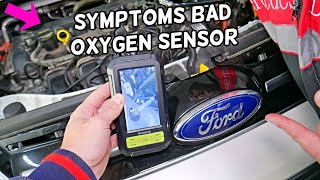
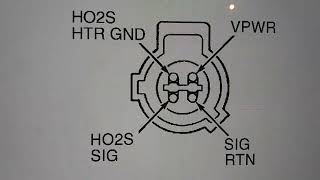
The most obvious sign of a problem is the Check Engine Light on your dashboard. Other common symptoms include noticeably worse gas mileage, a rough or shaky idle, and a lack of engine power. 🎬 Watch a video on common Ford Fusion O2 sensor symptoms. In some cases, you might even smell a "rotten egg" odor from the exhaust, which points to an inefficient catalytic converter caused by the bad sensor. If you scan the car's computer, you'll likely see codes such as P0135, P0141, P0155, or P0161, which are all related to the O2 sensor's heater circuit.
🎬 Learn more about diagnosing these specific O2 heater codes.Known Issues: Check for Software Updates First
While not for the 2006-2013 generation, it's worth noting that some newer Fusions had issues where a software glitch, not a bad sensor, caused an O2 sensor trouble code (P013A). A Technical Service Bulletin (TSB 19-2158) was issued for 2017-2019 models to fix this with a PCM software update. No specific recalls or TSBs for widespread O2 sensor failure were found for the 2006-2013 models during research.
Choosing the Right Aftermarket Oxygen Sensor

You don't have to buy the expensive OEM part from the dealer. Many aftermarket brands offer excellent quality, and some are even the original suppliers to Ford. However, forum users and mechanics often warn against the cheapest options, as they can fail early or provide incorrect readings, causing more problems.
Brand Quality Tiers for Ford Fusion
- Premium Aftermarket (OEM Quality): Brands like Motorcraft (the official Ford OEM part), Bosch, Denso, and NGK/NTK are highly recommended. Bosch is a known OEM supplier for many Ford parts, and Denso and NGK are trusted for their reliability and are often original equipment on other vehicles.
- Quality Aftermarket: Brands like Delphi and Walker Products are generally considered reliable mid-tier options that offer a good balance of price and performance.
- Economy/Value: Brands like DriveWire and other store-brands fall into this category. While the price is low, be aware that their lifespan and accuracy may not match the premium brands, as noted in owner forums.
| Part Type | Estimated Cost |
|---|---|
| New OEM (Motorcraft) | $100 - $160 |
| New Aftermarket | $26 - $145 |
| Shop Labor | $75 - $150 per sensor |
Pro Tip: Upstream vs. Downstream
Your Fusion's V6 engine has four O2 sensors (two upstream, two downstream), while the 4-cylinder engine has two (one of each). Upstream and downstream sensors are not interchangeable. Always verify the exact location (e.g., Bank 1 Sensor 1, Bank 1 Sensor 2) before ordering to ensure you get the correct part.
Frequently Asked Questions

How many oxygen sensors does my 2006-2013 Fusion have?
It depends on your engine. If you have a 4-cylinder engine, you have two sensors: one upstream and one downstream. If you have the V6 engine, you have four sensors: two upstream (one for each cylinder bank) and two downstream.
What's the difference between an upstream and a downstream sensor?
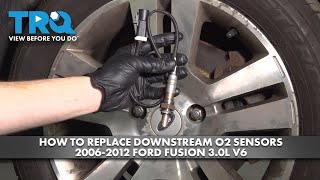
The upstream sensor (Sensor 1) is located before the catalytic converter and is crucial for managing the air-fuel ratio. The downstream sensor (Sensor 2) is located after the catalytic converter and its main job is to monitor the converter's efficiency for emissions control.
Can I replace just one sensor, or should I replace them in pairs?
While you can replace only the failed sensor, many mechanics recommend replacing them in pairs (e.g., both upstream sensors on a V6) if they are the same age and have similar mileage. O2 sensors degrade over time, so if one has failed, the other may not be far behind.
What tools do I need to replace an O2 sensor?
You will need a special tool called an O2 sensor socket, which has a slot for the wire to pass through. You'll also need a ratchet and potentially a breaker bar or penetrating oil, as the sensors can get seized in the hot exhaust pipe.
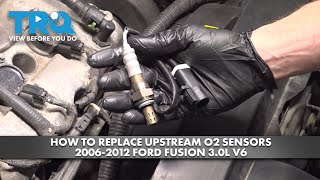
🎬 See how to replace the upstream sensors on a V6.Can I clean my old oxygen sensor instead of replacing it?
Some people attempt to clean O2 sensors, but it is generally not a reliable or long-term fix. Contaminants can damage the internal sensing element, and cleaning the exterior won't restore its function. For a lasting repair, replacement is the best option.
Helpful Videos

Technical Specifications
OEM Part Numbers: DS7Z-9F472-B 5L8Z9F472AA
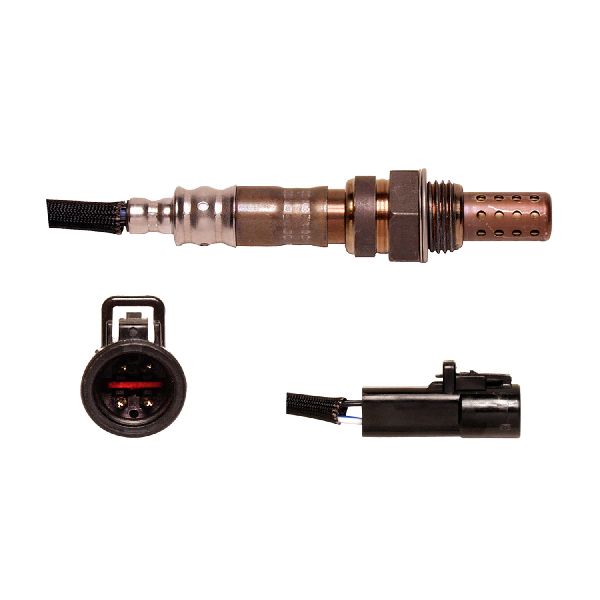
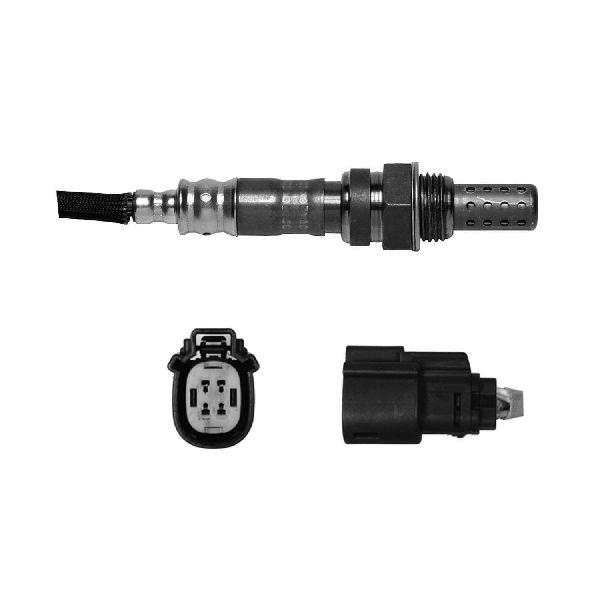
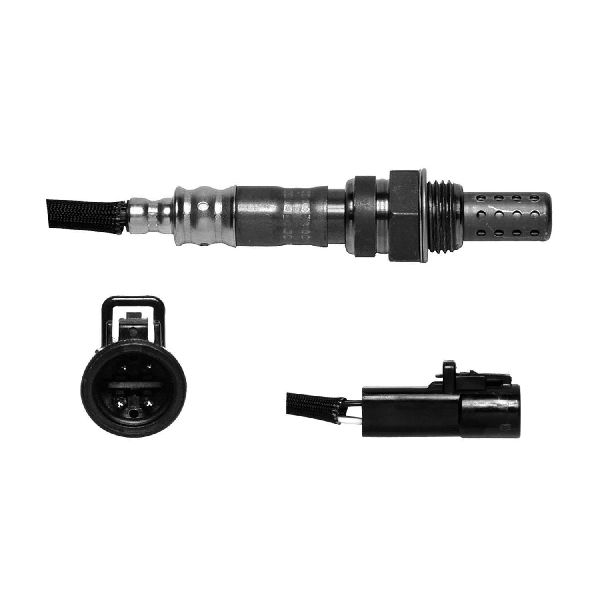
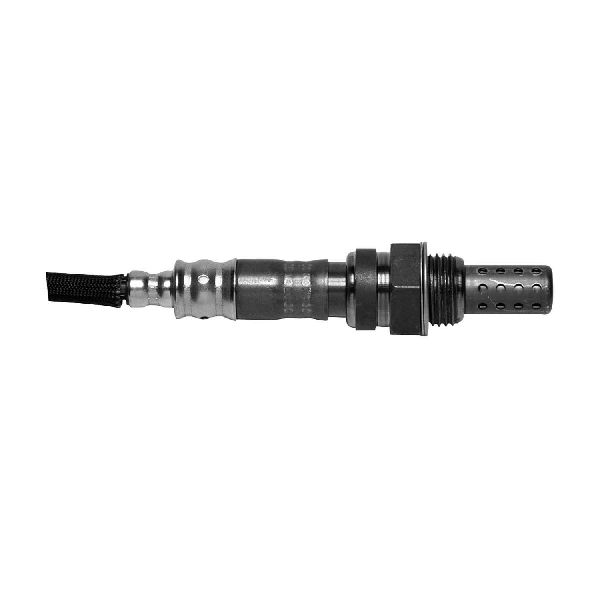
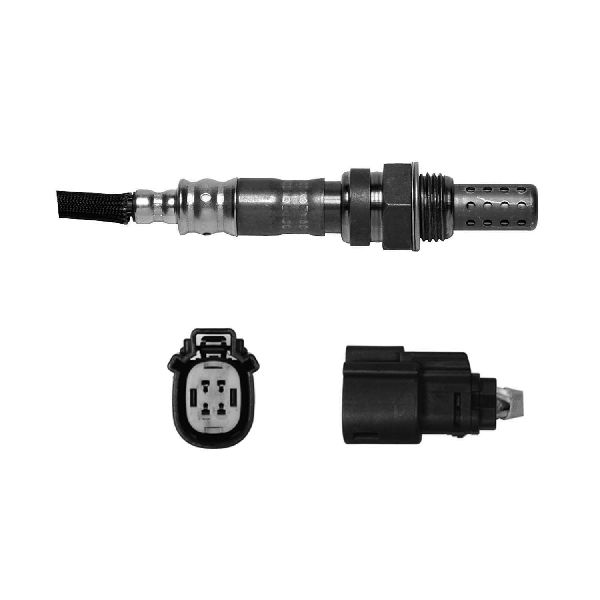
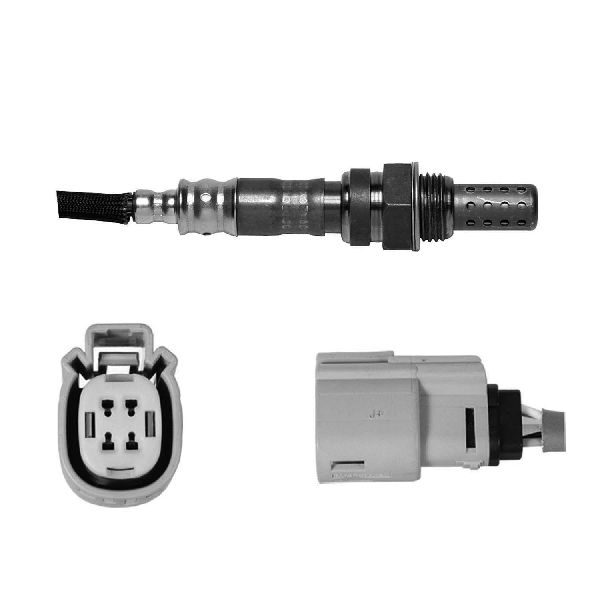
Your Fusion uses heated, 4-wire or 5-wire (wideband) oxygen sensors. The number of sensors depends on the engine (two for 4-cylinder, four for V6). Thread size is typically M18x1.5. Always confirm the part by your vehicle's specific engine and model year.
We Have This Part in Stock

The information in this article is provided for general reference and educational purposes only. Vehicle specifications, procedures, and part compatibility can vary by production date, trim level, and region. Always consult your vehicle's factory service manual and verify part numbers before purchasing or performing repairs. Safety-critical components such as airbags, seat belts, and braking systems should be installed by a qualified professional.
- Ford Fusion: