

Guide to the 2006-2012 Mercedes-Benz E350 Engine Crankshaft Position Sensor
If your E350 is stalling or won't start, this common failure part is the most likely reason why.
- A stalling or no-start condition is the most common sign of a failed crankshaft sensor on the E350.
- Do not buy the cheapest sensor available; choose a premium OEM brand like Bosch to avoid repeat failures.
- The sensor is located in a tight spot on the driver's side rear of the engine, making replacement tricky but possible for a DIYer.
- Driving with a faulty sensor is a safety hazard, as the engine can shut off without warning at any time.
Is Your E350 Stalling? It Could Be the Crankshaft Sensor

A common and frustrating problem for owners of the 2006-2012 Mercedes-Benz E350 (W211 and W212 chassis) is sudden engine stalling or a no-start condition. More often than not, the culprit is a failed engine crankshaft position sensor. This small electronic part is known to fail over time due to constant exposure to engine heat. When it fails, it leaves your car without the most basic information it needs to run, often resulting in a stall while driving or preventing it from starting back up until the engine cools down.
Symptoms of a Failing Crankshaft Position Sensor

The signs of a bad crankshaft sensor are hard to ignore. Because the part is so critical, failure leads to noticeable problems.
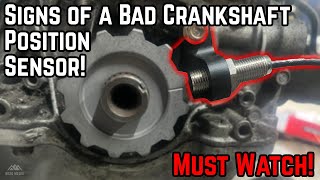
🎬 See a video breakdown of bad crankshaft sensor symptoms- Engine Stalling: The most common symptom is the engine cutting out unexpectedly, often after it has warmed up.
- No-Start or Hard Starting: The engine will crank but refuses to start, or takes a very long time to fire up.
- Check Engine Light: A failing sensor will almost always trigger the check engine light. The most common trouble code is P0335 (Crankshaft Position Sensor "A" Circuit Malfunction).
- Rough Idle and Misfires: The engine may shake, vibrate, or run unevenly when stopped.
- Poor Acceleration: You may notice a significant loss of power and a sluggish response when you press the gas pedal.
Safety First: A Stalling Hazard
A failing crankshaft position sensor can cause the engine to shut off at any time, including at high speeds or in traffic. This is a serious safety risk. If you experience these symptoms, it is not recommended to drive the vehicle until it has been repaired.
Choosing the Right Aftermarket Sensor for Your E350

When replacing this part, quality matters. Forum discussions among Mercedes owners consistently show that low-quality aftermarket sensors have a very high failure rate, sometimes lasting only a few weeks or months. It is highly recommended to use a brand known for being an Original Equipment Manufacturer (OEM) or one with a strong reputation.
- Tier 1 - OEM / Premium Brands: Bosch is a known OEM supplier for Mercedes-Benz. Choosing a Bosch sensor is the closest you can get to the genuine part. Hella is another German brand with a strong reputation, though it's wise to verify the part's origin as manufacturing has changed over the years.
- Tier 2 - Reputable Aftermarket Brands: Brands like Delphi, Vemo, and NGK/NTK are established names that offer a good balance of quality and price. They are generally considered reliable choices for this repair.
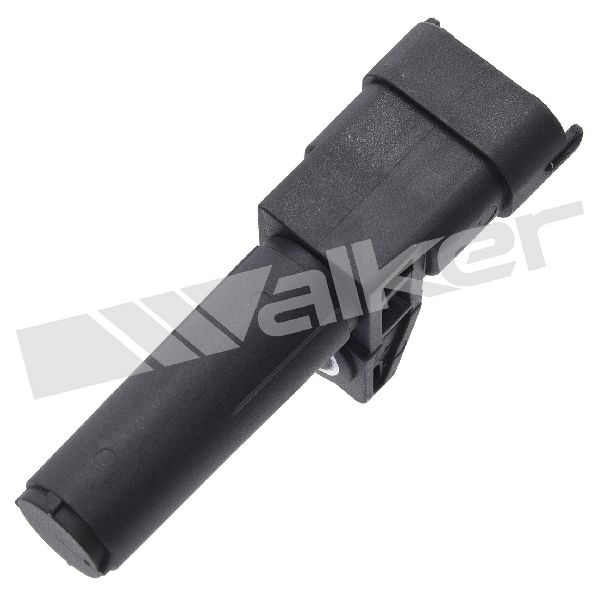
- Tier 3 - Economy Brands: While brands like Walker Products or Facet are available at a lower price, using them for this specific critical sensor is a gamble. The potential for premature failure and being stranded again often outweighs the initial savings.
Replacement Cost
The cost to replace the crankshaft position sensor can vary depending on whether you do it yourself or take it to a shop. The part itself is not expensive, but labor can add up due to its difficult-to-reach location.
| Item | Estimated Cost |
|---|---|
| New Aftermarket Part | $25 - $110 |
| New OEM Part | $40 - $75 |
| Shop Labor | $170 - $300 |
| Total Professional Replacement | $210 - $410 |
Pro Tip: Engine Differences
The 2006-2011 E350 uses the M272 V6 engine. The 2012 E350 uses the newer M276 V6 engine. While the sensor's location is similar on both (driver's side, rear of the engine near the transmission), always confirm the part number for your specific engine before ordering.
Frequently Asked Questions

Where is the crankshaft position sensor located on the E350?
It is on the driver's side of the engine, tucked in at the back where the engine connects to the transmission bell housing. Access is tight, and you often have to work by feel from the top of the engine bay.
Can I replace this sensor myself?
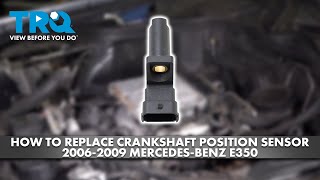
Yes, this is a DIY-feasible job for someone with patience and the right tools. It does not require major disassembly. However, the lack of visibility and awkward access make it a "fiddly" job. Watching a few video guides is highly recommended before you start.
🎬 Watch this step-by-step E350 crankshaft sensor replacement guideWhat tools are needed for the replacement?
You will need a ratchet with long extensions and a wobble joint. The retaining bolt is typically an E8 external Torx socket, though some have found a T30 Torx bolt instead. It's best to have both on hand. A small piece of paper can be used in the socket to hold the bolt securely during reinstallation.
Are there any recalls for this part?
No, there are no active recalls for the crankshaft position sensor on the gasoline-powered 2006-2012 Mercedes-Benz E350. A recall was issued for some diesel models from that era, but it does not apply to the E350.
Helpful Videos
Technical Specifications
OEM Part Numbers: A0041538728 6429050000 2729050000 2769051400 2769050700
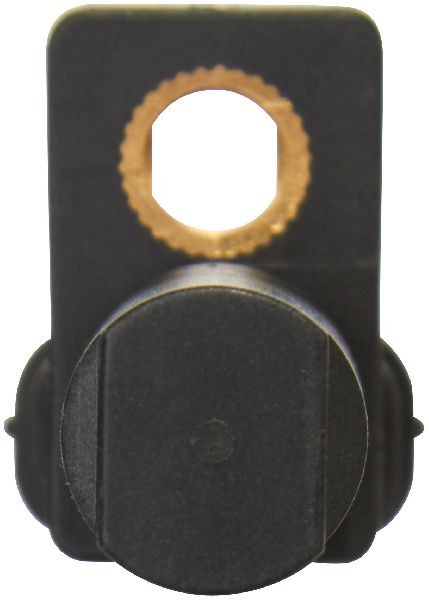
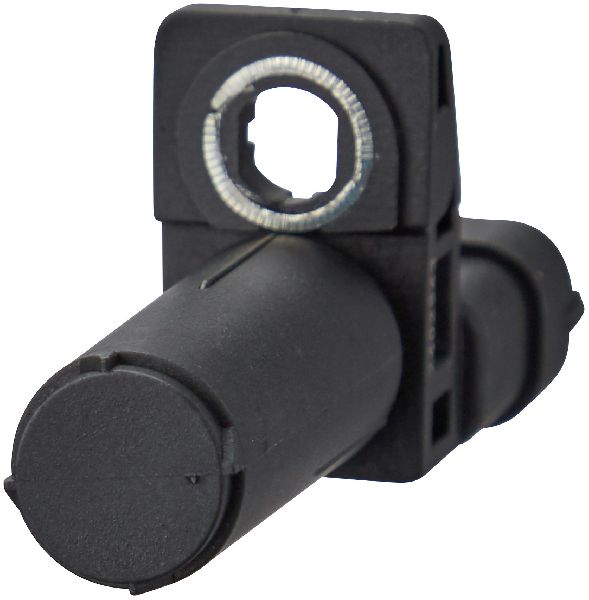
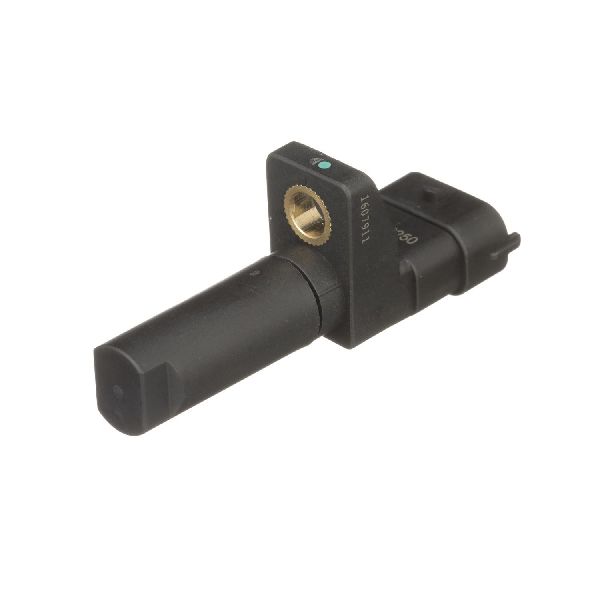
The sensor is a hall-effect type sensor held in place by a single E8 or T30 Torx bolt. It has a 3-pin electrical connector.
We Have This Part in Stock


The information in this article is provided for general reference and educational purposes only. Vehicle specifications, procedures, and part compatibility can vary by production date, trim level, and region. Always consult your vehicle's factory service manual and verify part numbers before purchasing or performing repairs. Safety-critical components such as airbags, seat belts, and braking systems should be installed by a qualified professional.
- Mercedes-Benz E350: