

A Guide to the Engine Intake Manifold Gasket Set for the 2006-2011 Hyundai Sonata
Fix rough idling and check engine lights by choosing the right intake gasket for your Sonata's engine.
- You must verify if you have the 2.4L 4-cylinder or 3.3L V6 engine before ordering, as the gaskets are different.
- A failing gasket is a primary cause of lean codes (P0171, P0174), rough idle, and hesitation on this Sonata.
- For longevity, consider premium aftermarket brands like Beck Arnley or Victor Reinz which offer OE-level quality.
- Driving with a bad gasket can lead to poor fuel economy and may eventually damage other components like the catalytic converter.
Is Your Sonata's Intake Manifold Gasket Failing?
A bad intake manifold gasket is one of the most common causes of a vacuum leak on the 2006-2011 Hyundai Sonata. Over time, the gasket material becomes hard and brittle from engine heat and can no longer create a perfect seal. When this happens, the engine sucks in extra, unmeasured air. This leads to a 'lean' condition, where there is too much air and not enough fuel.
Common symptoms include:
- A rough or unstable idle
- Engine hesitation or stumbling during acceleration
- A noticeable loss of power
- Reduced fuel economy.
- A hissing or whistling sound coming from the engine bay.
- The Check Engine Light is on with codes P0171 (System Too Lean Bank 1) or P0174 (System Too Lean Bank 2, on V6 models only).
Check Engine Light Codes P0171 & P0174
🎬 Watch: EricTheCarGuy explains these lean air-fuel mixture codes.These are the most definitive clues for a failing intake manifold gasket. The engine's computer is detecting too much oxygen in the exhaust and is trying to compensate by adding more fuel, but it can't correct the issue because of the physical air leak. While other issues like a bad mass airflow sensor can cause these codes, a leaking gasket is a primary suspect.
Choosing the Right Aftermarket Gasket
Before you buy, you must know which engine your Sonata has. The gaskets are not interchangeable.
- 2.4L 4-Cylinder Engine: Uses a single gasket between the intake manifold and the cylinder head. The OEM part number is 28411-25002.
- 3.3L V6 Engine: Uses a set of gaskets. The most common one to fail is the upper plenum or 'surge tank' gasket (OEM part number 29215-3C100). There are also lower intake runner gaskets that seal against the cylinder heads. It is best practice to replace all of them at the same time.
Aftermarket Brand Quality
For a part that requires significant labor to replace, choosing a quality gasket is important to avoid doing the job twice. Aftermarket brands generally offer good value compared to OEM parts.
- Good Tier (Premium Aftermarket): Brands like Beck Arnley and Victor Reinz have a strong reputation. Beck Arnley is known for often sourcing parts from the original equipment manufacturers, providing OE-level fit and quality. Victor Reinz is also considered an OE-quality supplier, known for durable materials that meet or exceed factory specifications.
- Standard Tier (Quality Replacement): Brands like Victor Gaskets (VR Gaskets) offer a reliable and cost-effective solution. These are a good choice for budget-conscious repairs and are designed to meet standard OEM requirements.
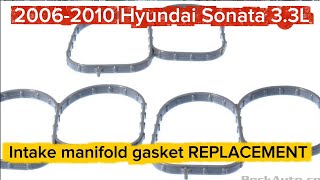
Pro Tip: While the V6 engine's upper plenum gasket is often sold separately, it is highly recommended to purchase a full set that includes the lower intake gaskets. Since you will already have the manifold off, replacing the lower gaskets at the same time is smart preventative maintenance.
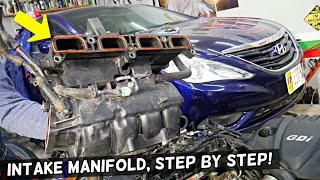
🎬 See this walkthrough for replacing the V6 upper manifold gasket.Cost of Replacing the Intake Manifold Gasket Set
| Part Type | Estimated Cost |
|---|---|
| New Aftermarket Gasket Set | $4.52 - $112.16 |
| New OEM Gasket Set | $20 - $150 |
| Shop Labor | $250 - $550 |
| Total Estimated Cost | $255 - $665 |
Cost estimates are for reference only and may vary based on location, vehicle condition, and the specific parts required.
Frequently Asked Questions (FAQ)
Can I reuse my old intake manifold gasket?
No. Intake manifold gaskets are a one-time-use part. They crush and deform to create a seal. Once removed, they will not seal properly again and will cause a vacuum leak.
Do I need to use sealant on the new gasket?
Generally, no. Modern gaskets for the Sonata are designed to be installed dry. Applying sealant can interfere with the seal and may even cause parts of the sealant to break off and enter the engine. Always follow the instructions included with your specific gasket set.
Were there any recalls for the Sonata intake manifold gasket?
No, there have been no specific recalls from the NHTSA for a faulty intake manifold gasket design on the 2006-2011 Hyundai Sonata. There were engine-related recalls for some 2011 models where the gasket would be replaced as part of a larger engine repair, but the gasket itself was not the cause of the recall.
How can I be sure the gasket is the problem?
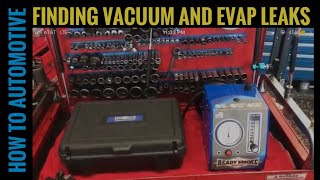
A mechanic can perform a smoke test. This involves pumping harmless smoke into the intake system with the engine off. If there is a leak, smoke will be visible escaping from the area of the bad gasket, confirming the diagnosis without guesswork.
🎬 Watch: How to check for vacuum leaks using a smoke tester.Helpful Videos
Technical Specifications
OEM Part Numbers: 28411-25002 (For 2.4L 4-Cylinder) 29215-3C100 (For 3.3L V6 Upper/Plenum)
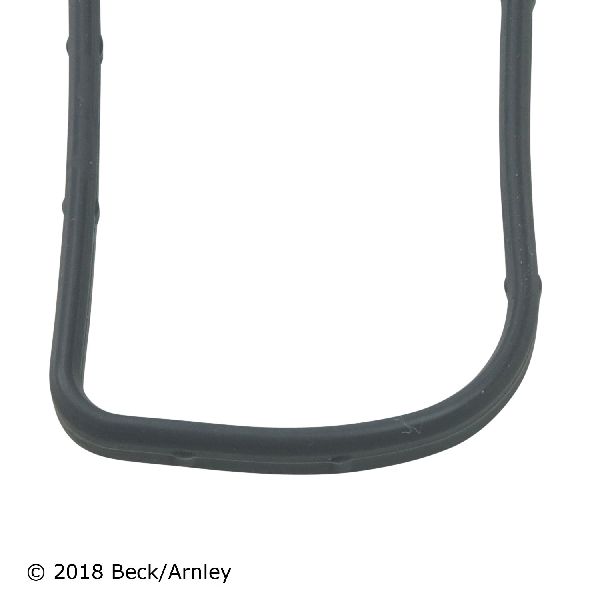
Gasket material is typically a high-temperature composite or molded rubber on a steel or plastic carrier, designed to seal against vacuum pressure.
We Have This Part in Stock


The information in this article is provided for general reference and educational purposes only. Vehicle specifications, procedures, and part compatibility can vary by production date, trim level, and region. Always consult your vehicle's factory service manual and verify part numbers before purchasing or performing repairs. Safety-critical components such as airbags, seat belts, and braking systems should be installed by a qualified professional.
- Hyundai Sonata: