

A Guide to Oxygen Sensors for the 2006-2011 Buick Lucerne
Keep your Lucerne running smoothly and efficiently by understanding its oxygen sensors.
- Confirm your engine size (V6 or V8) to know if you need 2 or 4 sensors.
- A P0420 code can be caused by an O2 sensor, but more often points to a failing catalytic converter.
- Use a quality brand like ACDelco, Denso, or Bosch for reliability.
- Replacing an O2 sensor is a DIY-friendly job, but a special socket and penetrating oil are highly recommended.
Is Your Lucerne's Oxygen Sensor Failing?

A bad oxygen sensor can cause several noticeable problems. The most common sign is the Check Engine Light turning on. You might also notice your car is using more gas than usual, the engine idles roughly, or it feels sluggish and slow to accelerate. In some cases, you may smell a rotten egg odor or see black smoke coming from the tailpipe. 🎬 Watch: A breakdown of common bad oxygen sensor symptoms. These symptoms happen because the engine's computer isn't getting the right information and can't manage the engine properly.
Choosing the Right Aftermarket O2 Sensor

When you shop for a new oxygen sensor, you will find several brands. They generally fall into three quality tiers.
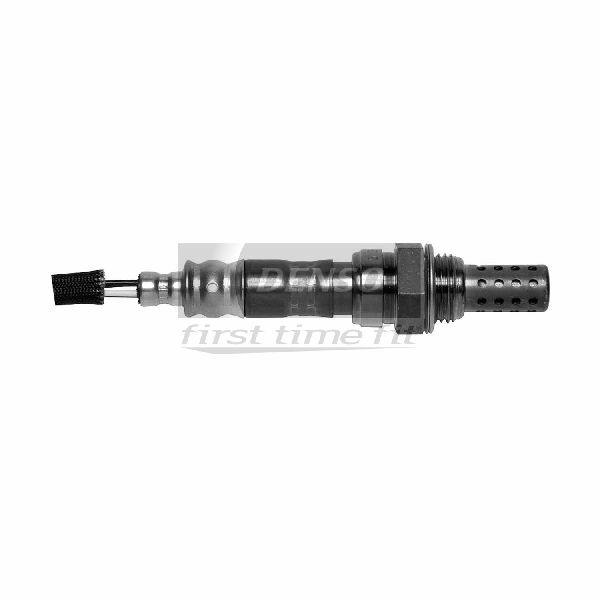
- OEM-Equivalent Brands (ACDelco, Denso, NGK/NTK): ACDelco is the original part manufacturer for your Buick. Choosing ACDelco guarantees a perfect fit and performance just like the original. Denso and NGK (also known as NTK) are also top-tier brands that supply original parts to many carmakers and are known for their high quality and reliability.
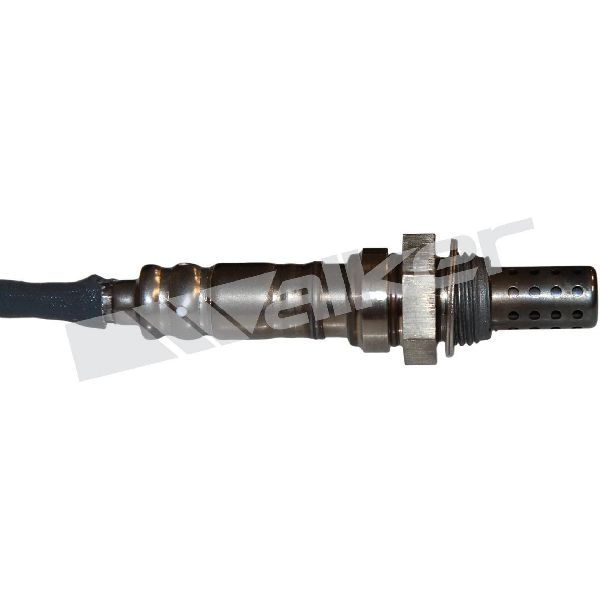
- Quality Aftermarket Brands (Bosch, Delphi, Walker): Bosch is a well-respected brand that actually invented the oxygen sensor. These brands offer a great balance of quality and price, often meeting or exceeding original specifications. They are a reliable choice for most repairs.
- Budget-Friendly Brands (DriveWire, Spectra, etc.): These brands offer a lower-cost alternative. While they can work, some owners report shorter lifespans or occasional defects out of the box. They can be a good option if you are on a tight budget, but be aware of the potential quality difference.
Pro Tip: Upstream vs. Downstream
Your Lucerne has both "upstream" and "downstream" oxygen sensors. Upstream sensors (also called Sensor 1) are located before the catalytic converter and are critical for fuel control. Downstream sensors (Sensor 2) are after the catalytic converter and mainly monitor its efficiency. Upstream sensors are often more expensive. Always make sure you are ordering the correct sensor for the specific location that needs replacement.
Common Ordering Mistakes

The biggest mistake is ordering the wrong sensor for your engine. The 2006-2011 Lucerne came with three different engines:
- 3.8L V6 (2006-2008): Has two oxygen sensors (one upstream, one downstream).
- 3.9L V6 (2009-2011): Has two oxygen sensors (one upstream, one downstream).
- 4.6L V8 (2006-2011): Has four oxygen sensors (two upstream, two downstream).
Always confirm your engine size and the exact sensor location (e.g., Bank 1 Sensor 1, Bank 2 Sensor 2) before ordering.
Known Issues and Bulletins

While there are no specific recalls for oxygen sensors on the 2006-2011 Lucerne, GM has issued a Technical Service Bulletin (TSB 20-NA-065) for technicians. This bulletin provides information for diagnosing vehicles that show multiple O2 sensor and fuel trim error codes at once. Additionally, some mechanics have noted that the downstream sensor on certain models is mounted horizontally in a low point of the exhaust, which can cause it to collect moisture and fail prematurely.
Cost to Replace a Buick Lucerne Oxygen Sensor
| Part Type | Estimated Cost |
|---|---|
| New Aftermarket Oxygen Sensor | $25 - $137 |
| Shop Labor | $100 - $200 |
Cost estimates are for a single sensor and may vary based on your location and the specific sensor being replaced.
Frequently Asked Questions

How many oxygen sensors does my Lucerne have?
It depends on your engine. The 3.8L and 3.9L V6 engines have two sensors. The 4.6L V8 engine has four sensors.
What is a P0420 code and does it mean my O2 sensor is bad?
A P0420 code means "Catalyst System Efficiency Below Threshold." This code is often triggered by the downstream O2 sensor reading. While a bad O2 sensor can cause this code, it most often means the catalytic converter itself is failing. It's important to diagnose the problem correctly before replacing parts.
🎬 Watch: How to diagnose a P0420 code and sensor efficiency.Can I replace just one oxygen sensor?
Yes, you only need to replace the sensor that has failed. However, O2 sensors have a limited lifespan, typically around 100,000 miles. If one has failed and your car has high mileage, the others may not be far behind. Some people choose to replace them in pairs (both upstream or both downstream on a V8) for balanced performance.
Is it hard to replace an O2 sensor myself?
For a DIYer, it's a moderately easy job. 🎬 See this walkthrough for replacing a sensor on a Lucerne. The main challenge is that sensors can get stuck in the exhaust pipe. It's best to spray the old sensor with penetrating oil and let it soak. You will also need a special O2 sensor socket to properly remove and install it without damaging the wires.
Helpful Videos
![Bad O2 Sensor Symptoms Downstream & Upstream [Oxygen Sensor Failure and Causes] How to fix & Replace](https://img.youtube.com/vi/b-xxdBlikSA/mqdefault.jpg)
Technical Specifications
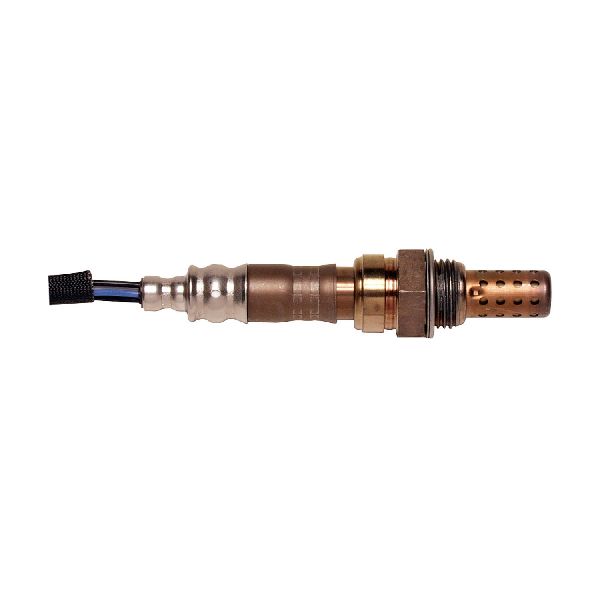
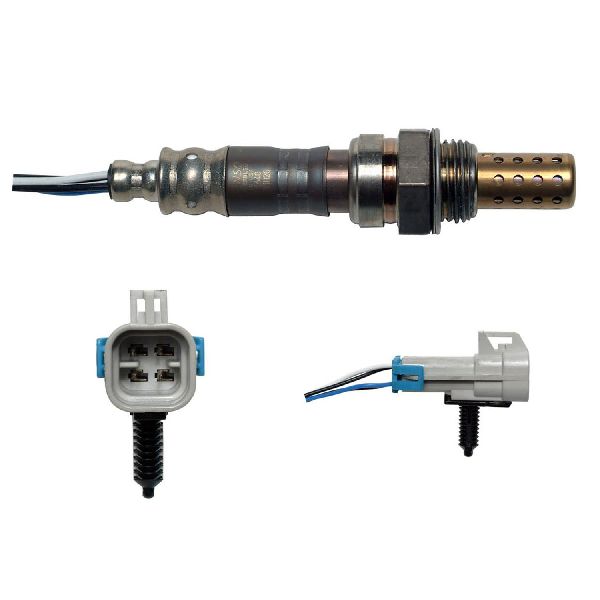
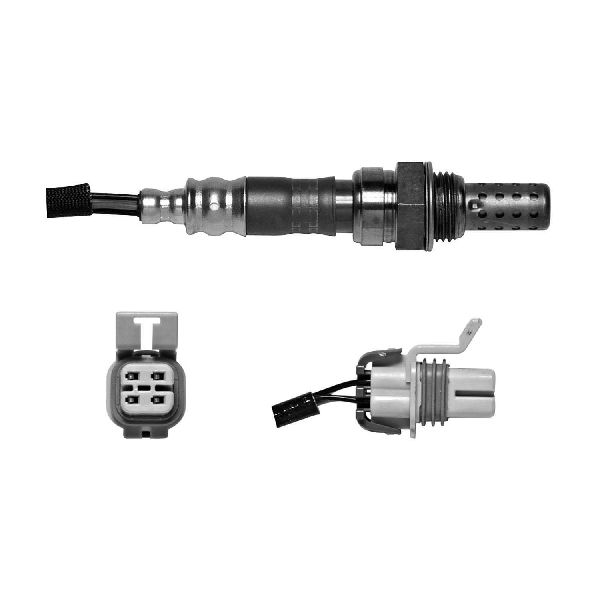
OEM Part Numbers: 12606671 19187280 213-3545 213-3544
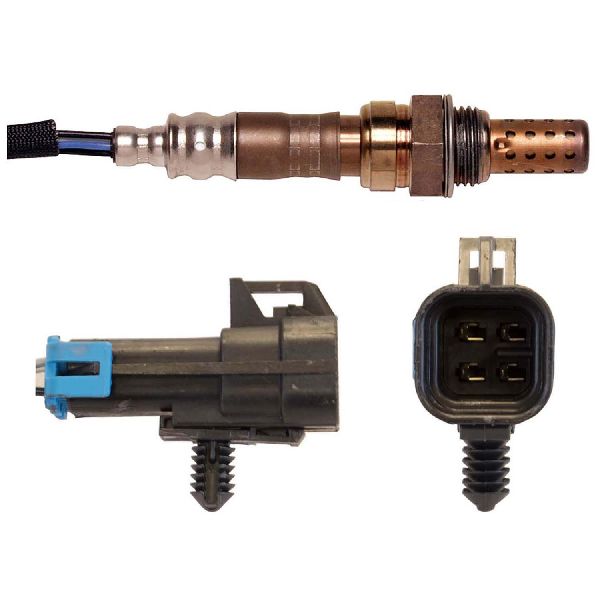
All 2006-2011 Buick Lucerne models use heated, 4-wire oxygen sensors with specific connectors for each position.
We Have This Part in Stock

The information in this article is provided for general reference and educational purposes only. Vehicle specifications, procedures, and part compatibility can vary by production date, trim level, and region. Always consult your vehicle's factory service manual and verify part numbers before purchasing or performing repairs. Safety-critical components such as airbags, seat belts, and braking systems should be installed by a qualified professional.
- Buick Lucerne: