

A Comprehensive Guide to the 2006-2010 Jeep Grand Cherokee Oxygen Sensor
Fix your check engine light and poor gas mileage by choosing the right O2 sensor for your WK Grand Cherokee.
- Your 2006-2010 Grand Cherokee has four O2 sensors; use a scan tool to identify the exact one that failed before purchasing a replacement.
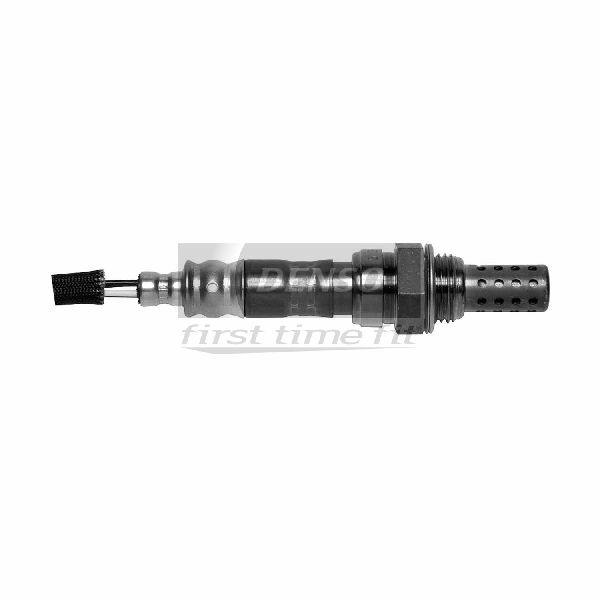
- For best results and to avoid compatibility issues, choose an NTK or Denso brand sensor, which are the OEM suppliers for Mopar.
- A bad O2 sensor will cause a check engine light, reduce gas mileage, and can lead to catalytic converter failure if ignored.
- Replacing the sensors yourself is possible, but upstream sensors can be difficult to access. Always use an O2 sensor socket and anti-seize lubricant on the threads of the new sensor.
Understanding Your Grand Cherokee's Oxygen Sensors

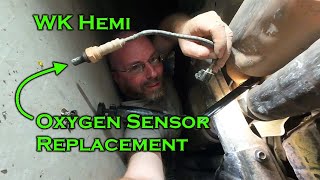
A 2006-2010 Jeep Grand Cherokee is equipped with four oxygen sensors, regardless of whether you have the 3.7L V6, 4.7L V8, 5.7L HEMI V8, or the 6.1L SRT8 V8. 🎬 Watch a step-by-step O2 sensor replacement on a Hemi engine. There are two "upstream" sensors and two "downstream" sensors.
- Upstream (Sensor 1): Located in the exhaust manifold or just after it, before the catalytic converter. These are the primary sensors used by the engine computer to make rapid adjustments to the air-fuel mixture. They are often more expensive as they are typically wide-band sensors that provide a more detailed reading.
- Downstream (Sensor 2): Located after the catalytic converter. Their main job is to monitor the efficiency of the catalytic converter itself. They ensure the converter is working correctly to reduce emissions.
It's crucial to identify which specific sensor has failed. A diagnostic scan tool will provide a code like "Bank 1, Sensor 2" to pinpoint the exact location. For V-type engines like those in the Grand Cherokee, "Bank 1" is the driver's side, and "Bank 2" is the passenger's side.
Symptoms of a Failing Oxygen Sensor

When an O2 sensor starts to fail, it can cause several noticeable problems. Ignoring them can lead to more expensive repairs down the road, including damage to your catalytic converters.
- Check Engine Light: This is the most common symptom. A failing O2 sensor will trigger a Diagnostic Trouble Code (DTC) and illuminate the check engine light on your dashboard. Common codes include P0130-P0167.
- Reduced Fuel Economy: A bad sensor can cause the engine to run "rich," meaning it uses more fuel than necessary. This is often one of the first things owners notice.
- Rough Idle and Poor Performance: Your Grand Cherokee might idle erratically, hesitate during acceleration, or feel sluggish.
- Failed Emissions Test: Since the O2 sensor is a key part of the emissions system, a faulty one will almost certainly cause you to fail a smog check.
- Rotten Egg Smell: A rich-running engine can overheat the catalytic converter, producing a sulfur or rotten egg smell from the exhaust.
Can You Drive with a Bad O2 Sensor?
While your Jeep will still run, it's not recommended to drive for an extended period with a bad O2 sensor. The engine will not operate efficiently, leading to wasted fuel and increased pollution. More seriously, it can cause the catalytic converter to overheat and fail, which is a much more expensive repair.
Choosing the Right Aftermarket Oxygen Sensor

When it comes to electronic sensors for Jeeps, not all brands are created equal. While Mopar is the original equipment (OE) supplier, several aftermarket brands offer comparable or superior quality, often at a better price. Forum discussions among Jeep owners consistently show a preference for certain brands.
Brand Quality Tiers
Tier 1: OEM or Better
- NGK/NTK: Widely regarded as the original equipment manufacturer for Mopar O2 sensors. Choosing NTK is essentially buying the OEM part without the Mopar box and price tag. This is the most recommended brand by Jeep enthusiasts for reliability and compatibility.
- Denso: Another top-tier OEM supplier for many manufacturers. Denso sensors are known for their quality and are a trusted choice if NTK is unavailable.
- Mopar: The official dealership part. It's a guaranteed fit and works perfectly, but you will pay a premium for the brand name.
Tier 2: Reputable Aftermarket
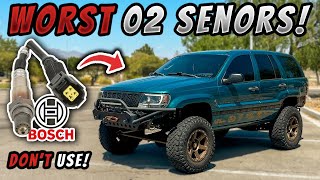
- Bosch: Bosch invented the oxygen sensor and is a massive automotive parts supplier. However, their sensors have a mixed reputation in the Jeep community. Some owners use them without issue, while others report compatibility problems or premature failure due to slight differences in heater resistance. It's often recommended to stick with NTK or Denso to be safe. 🎬 Learn why choosing the right sensor brand matters for Jeeps.
- Delphi: A well-respected OE supplier with a strong reputation for electronic components. Delphi sensors are generally considered a reliable and safe choice.
Tier 3: Economy Brands
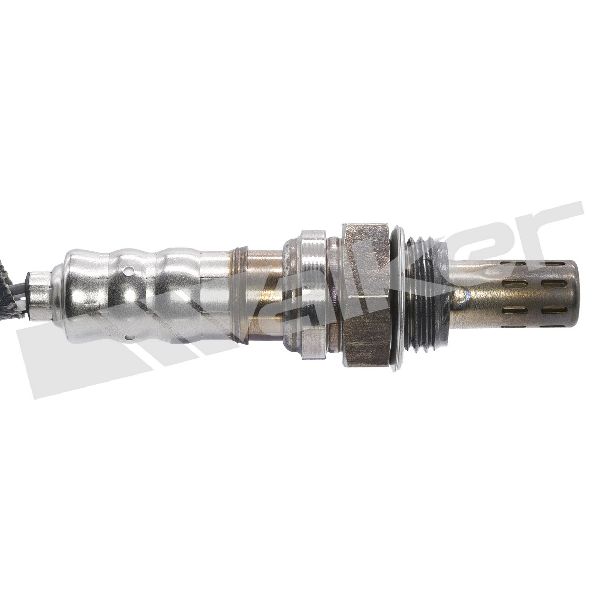
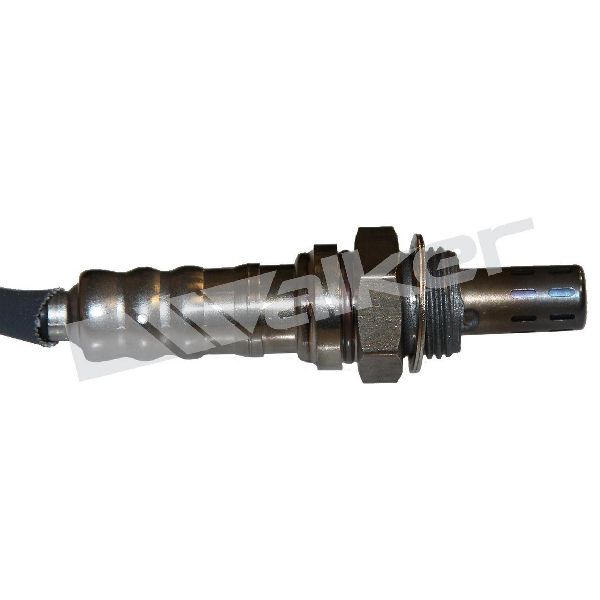
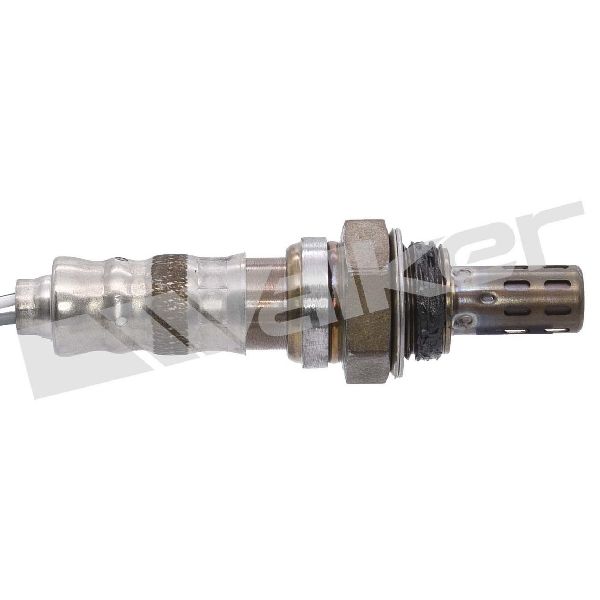
- Walker, Spectra, Crown Automotive, DriveWire: These brands offer a more budget-friendly option. While they can work, some owners have reported shorter lifespans or inconsistent quality. They might be a suitable choice for a quick fix or if budget is the primary concern, but for long-term reliability, a Tier 1 or Tier 2 brand is a safer bet.
Cost of Replacing an Oxygen Sensor
The cost can vary depending on the brand, the sensor's location (upstream is often more expensive), and whether you do the work yourself.
| Item | Estimated Cost |
|---|---|
| New Aftermarket O2 Sensor | $32.90 - $253.11 |
| New OEM (Mopar) O2 Sensor | $80 - $300+ |
| Shop Labor | $80 - $150 per sensor |
Frequently Asked Questions

How many oxygen sensors does my 2006-2010 Grand Cherokee have?
All V6 and V8 engine models from this generation have four oxygen sensors: two upstream (before the catalytic converters) and two downstream (after the catalytic converters).
Do I need a special tool to replace an O2 sensor?
Yes, it is highly recommended. A special O2 sensor socket, which has a slot for the wire to pass through, makes the job much easier. Sometimes, depending on clearance, an O2 sensor crow's foot wrench may be necessary. Many auto parts stores offer these as part of a loaner tool program.
Should I replace all four sensors at once?
It's not strictly necessary, but it is often recommended, especially on higher-mileage vehicles (over 100,000 miles). O2 sensors tend to age and fail at a similar rate. Replacing them all at once can save you from having to do the same job again in a few months.
Is replacing an O2 sensor a difficult DIY job?
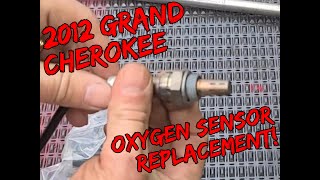
For a home mechanic, it's generally a manageable job. The downstream sensors are usually easy to access. 🎬 See how to replace the rear downstream oxygen sensors. However, the upstream sensors, particularly on the passenger side, can be very difficult to reach due to tight spaces around the transmission and exhaust manifold. Soaking the old sensor in penetrating oil beforehand is crucial, as they are often seized in the exhaust pipe.
Are there any recalls for the O2 sensors on my Grand Cherokee?
As of early 2026, there are no specific recalls issued by the NHTSA for oxygen sensor failure on the 2006-2010 Jeep Grand Cherokee. Always check NHTSA.gov for the most current information.
Helpful Videos
Technical Specifications
OEM Part Numbers: 56029084AA 56041698AA 56028994AA
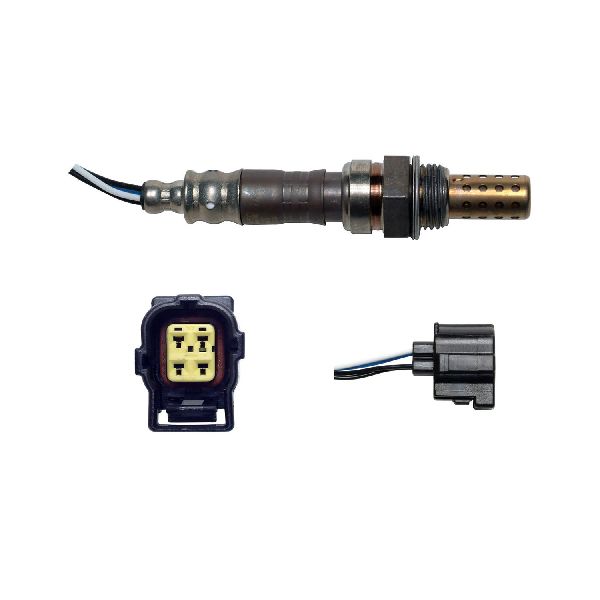
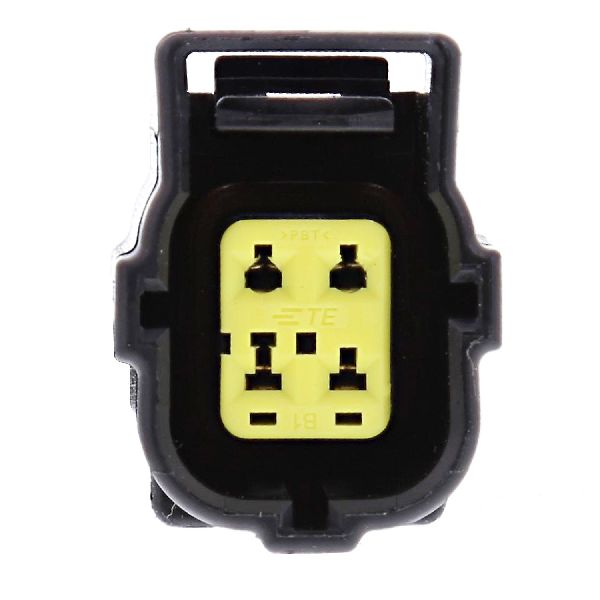
Number of Sensors: 4 (2 upstream, 2 downstream). Thread Size: M18x1.5. Connector Type: Vehicle-specific 4-pin rectangular connector.
We Have This Part in Stock

The information in this article is provided for general reference and educational purposes only. Vehicle specifications, procedures, and part compatibility can vary by production date, trim level, and region. Always consult your vehicle's factory service manual and verify part numbers before purchasing or performing repairs. Safety-critical components such as airbags, seat belts, and braking systems should be installed by a qualified professional.
- Jeep Grand Cherokee: