

A Guide to the Engine Timing Chain Kit for the 2006-2010 Chevrolet Impala
Address rattling noises and check engine lights by understanding your Impala's timing chain needs.
- A rattling noise on startup is the number one sign of a failing timing chain in these Impalas and should be inspected immediately.
- This is a difficult, labor-intensive repair not recommended for DIY beginners; professional installation is advised.
- Always replace the timing chain, sprockets, guides, and tensioner as a complete kit from a quality brand like Cloyes to ensure a lasting repair.
- While the timing cover is off, it is cost-effective to also replace the water pump and front crankshaft seal.
Is Your Impala's Engine Making a Rattling Noise?

If you own a 2006-2010 Chevrolet Impala, especially with the 3.5L or 3.9L V6 engine, a rattling sound from the engine bay on startup is a classic sign of a worn timing chain. These engines are known to have timing chain issues as they accumulate miles. Ignoring this can lead to poor performance, lower fuel economy, and eventually, catastrophic engine failure. This guide will help you understand the symptoms, choose the right aftermarket replacement kit, and know what to expect for repair costs.
Symptoms of a Failing Timing Chain

- Engine Rattle on Startup: A metallic rattling or clattering sound lasting for a few seconds after you start the engine is the most common symptom. This happens because a stretched chain slaps against its plastic guides 🎬 Watch: Hear what a failing timing chain sounds like before oil pressure builds up to tighten it.
- Check Engine Light: A stretched timing chain will cause the camshaft and crankshaft sensors to report conflicting information to the car's computer. This will trigger a check engine light with codes like P0008, P0016, or P0017.
- Rough Idle and Misfires: As the chain stretches, the engine's timing becomes incorrect, leading to a rough idle, engine misfires, and poor acceleration.
- Metal Shavings in Oil: During an oil change, you might see tiny, shiny metal particles in the used oil. This can be a sign that the chain and guides are wearing down and shedding material into the engine.
Known Issues for 3.5L & 3.9L V6 Engines
While there are no specific recalls for the timing chain on these Impalas, General Motors has issued Technical Service Bulletins (TSBs) for similar V6 engines that experience chain stretching. These bulletins acknowledge that stretched chains can cause camshaft/crankshaft correlation codes (P0016, P0017, etc.). 🎬 Watch: Try this simple fix before replacing your chains Some TSBs also point to updated designs for timing chain tensioners, which are a critical part of the system.
Choosing the Right Aftermarket Timing Kit

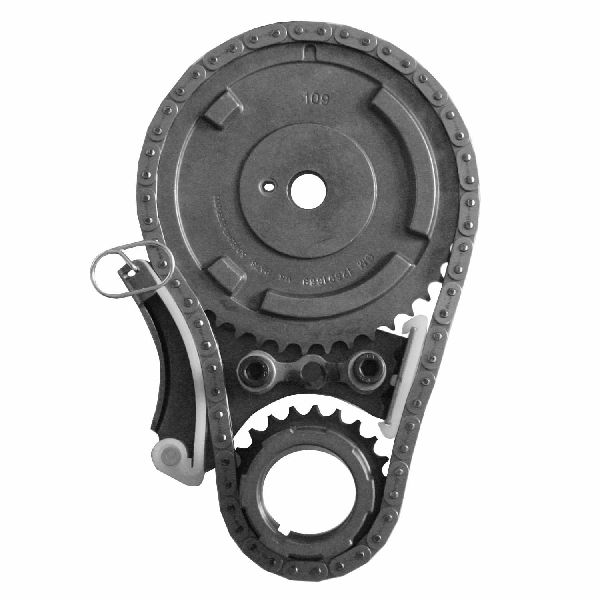
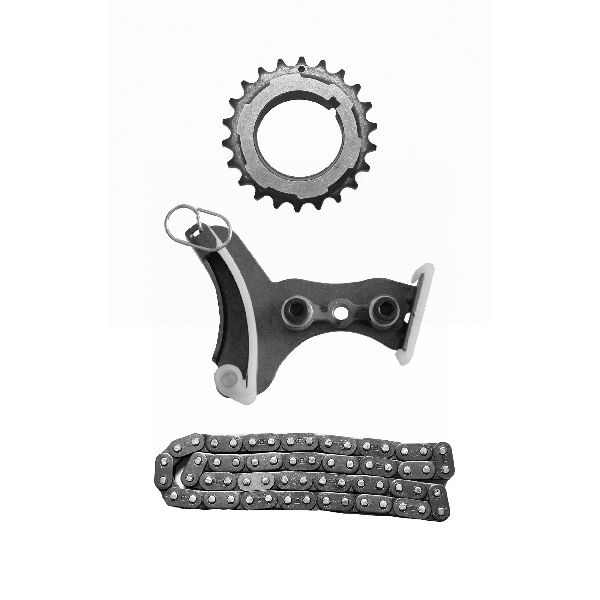
When replacing your timing chain, always use a complete kit. A kit should include the timing chain(s), camshaft and crankshaft sprockets, tensioner(s), and guides. Using a mix of old and new parts is not recommended. Aftermarket quality varies, so it's important to choose a reputable brand.
- Premium Aftermarket (e.g., Cloyes): Cloyes is a highly respected brand in the timing component industry, often considered an OEM-equivalent supplier. Mechanics and experienced DIYers frequently recommend them for their quality and durability. These kits are a reliable choice for a long-lasting repair.
- Standard Aftermarket (e.g., Gates, Dayco): Gates and Dayco are well-known brands that also produce timing chain kits. While they are more famous for belts, their kits offer a solid standard replacement option that meets OEM specifications.
- Budget-Friendly Options (e.g., INA, Store Brands): While more affordable, it's crucial to be cautious with lesser-known or budget brands. Some cheap kits use lower-quality materials that can wear out or fail prematurely, leading you to do the same expensive repair all over again.
Pro Tip: Replace More Than Just the Kit
Since replacing the timing chain is a very labor-intensive job that requires removing the front engine cover, it's a good idea to replace other parts in that area at the same time. Consider replacing the water pump, front crankshaft seal, and the variable valve timing (VVT) solenoid 🎬 See how to replace the VVT solenoid yourself to save on future labor costs.
Cost to Replace a 2006-2010 Impala Timing Chain Kit

This is not a cheap or simple repair due to the high amount of labor involved. The engine often has to be partially disassembled to gain access.
| Item | Estimated Cost |
|---|---|
| New Aftermarket Timing Chain Kit | $46 - $803 |
| Shop Labor | $1,300 - $2,000 |
| Total Estimated Cost | $1,346 - $2,803 |
Frequently Asked Questions
Can I drive my Impala with a bad timing chain?
It is strongly recommended not to drive your vehicle if you suspect a bad timing chain. A rattling noise means the chain is loose, and if it jumps a tooth or breaks completely, it can cause the pistons to hit the valves, resulting in catastrophic and expensive engine damage.
How long should a timing chain last on a 2006-2010 Impala?
Timing chains are designed to last the life of the vehicle, but that doesn't always happen. Failures on these models can occur, with most issues appearing on vehicles with higher mileage, typically over 100,000 miles. Regular oil changes are key to maximizing its lifespan.
Is this a DIY-friendly job?
No, this is an advanced repair. It requires specialized tools, significant disassembly of the engine, and precise knowledge of setting engine timing. For most owners, this job should be left to a professional mechanic. The difficulty rating is high.
What are the main engines in the 2006-2010 Impala that use this kit?
This guide primarily applies to the V6 engines found in this generation: the 3.5L (LZ4) and 3.9L (LGD/LZ9) V6 engines. The Impala SS model has a 5.3L V8 (LS4) which uses a different timing chain kit.
Helpful Videos

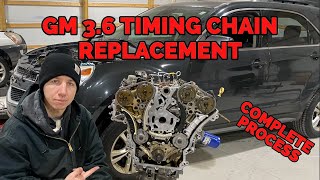
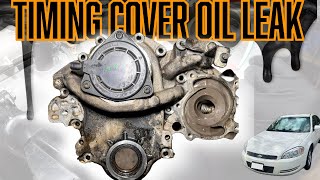

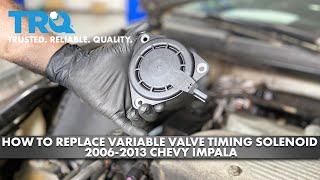
Technical Specifications
OEM Part Numbers: 12600695 24506090 12568125
This guide covers kits for the GM High Value 3.5L (LZ4) and 3.9L (LGD/LZ9) OHV V6 engines. Kits typically include one timing chain (80 links), one camshaft sprocket (25 teeth), and one tensioner/damper.
We Have This Part in Stock


The information in this article is provided for general reference and educational purposes only. Vehicle specifications, procedures, and part compatibility can vary by production date, trim level, and region. Always consult your vehicle's factory service manual and verify part numbers before purchasing or performing repairs. Safety-critical components such as airbags, seat belts, and braking systems should be installed by a qualified professional.
- Chevrolet Impala: