

Toyota Avalon Engine Camshaft Position Sensor Guide: 2005-2022 Models
Fix stalling, rough idling, and starting problems in your Avalon by understanding and choosing the right replacement sensor.
- Your 3.5L V6 Avalon has four identical and easily accessible camshaft position sensors.
- Denso is the original equipment manufacturer (OEM); choosing this brand for aftermarket replacement is the safest bet for quality and reliability.
- A failing sensor will typically cause a Check Engine Light with codes P0340-P0349, stalling, rough idle, or hard starting.
- This is a very easy DIY repair that most owners can complete in under 30 minutes with basic tools.
Is Your Avalon Running Rough? It Could Be a Camshaft Position Sensor.

If your normally smooth Toyota Avalon has started to hesitate, stall, or struggle to start, a failing camshaft position sensor is a likely culprit. These sensors are exposed to constant heat and vibration, and they can wear out over time. When one fails, it sends bad information to your engine's computer, leading to noticeable performance problems. Fortunately, this is a relatively inexpensive and easy part to replace yourself.
Symptoms of a Failing Camshaft Position Sensor

A bad cam sensor can cause a variety of issues. You might notice one or more of the following:
- Check Engine Light: This is often the first sign. The computer will store a trouble code like P0340, P0345, P0341, or P0346, which can be read with a basic OBD-II scanner. These codes help pinpoint which sensor is failing.
- Engine Stalling: The engine may shut off unexpectedly while idling at a stoplight or, more dangerously, while driving.
- Hard Starting or No Start: The car may crank for a long time before starting, or it may not start at all. This happens because the ECU doesn't know when to fire the injectors and spark plugs.
- Rough Idle and Hesitation: The engine may shake or run unevenly at idle. You might also feel a stumble or lack of power when you accelerate.
- Poor Fuel Economy: When the engine timing is off, it burns fuel less efficiently, causing you to visit the gas station more often.
Choosing the Right Aftermarket Sensor: Brand Quality Matters

When it comes to engine sensors for a Toyota, brand choice is very important. While saving money with a budget part is tempting, a poor-quality sensor can fail quickly, leaving you with the same problems. Based on owner feedback and mechanic recommendations, here is a breakdown of brand quality.
Tier 1: OEM & Premium Aftermarket
These brands are known to meet or exceed original equipment standards and are highly recommended for a reliable, long-lasting repair.
- Denso: Denso is the Original Equipment Manufacturer (OEM) for Toyota. A Denso sensor from an auto parts store is often the exact same part you would get from a Toyota dealer, just in a different box and at a lower price. This is the most recommended choice.
- NGK (NTK): NTK is the sensor division of NGK. They are a top-tier OEM supplier for many manufacturers and are known for their high-quality electronics and robust construction.
- Delphi: Another major OEM supplier, Delphi makes high-quality sensors that are a trusted alternative to the factory part.
Tier 2: Quality Aftermarket
These brands offer a good balance of quality and value. They are generally reliable and a solid choice if premium brands aren't available.
- Standard Motor Products (SMP): A long-standing brand in the aftermarket, SMP produces reliable sensors that are a popular choice in independent repair shops.
- Holstein: Holstein parts are known for their quality engineering and are a dependable option.
- Walker Products: Walker is another established aftermarket brand that produces a wide range of engine management components.
Tier 3: Budget-Friendly Options
These brands, like Dorman, focus on providing a direct-fit replacement at a lower cost. While they can be a viable option for a tight budget, some professional mechanics and forum users report a higher chance of premature failure compared to premium brands. If you choose a budget part, be aware that you may be replacing it again sooner than you would with a Tier 1 brand.
Cost to Replace a Toyota Avalon Camshaft Position Sensor
The cost can vary depending on whether you do the job yourself or take it to a shop. Since the V6 engine has four sensors, the total cost can multiply if you choose to replace them all at once.
| Part / Service | Estimated Cost (Per Sensor) |
|---|---|
| New OEM (Dealer) Part | $100 - $210 |
| New Aftermarket Part | $35 - $186 |
| Shop Labor | $50 - $100 |
| DIY Total (Aftermarket Part) | $35 - $186 |
| Shop Total (Aftermarket Part) | $85 - $286 |
Cost estimates are approximate and can vary by location and supplier. Labor costs reflect the typical minimum charge for a simple job.
DIY Installation: An Easy 15-Minute Job

Replacing the camshaft position sensors on the 2005-2022 Avalon V6 is one of the easiest repairs you can do. The sensors are located right on top of the engine's valve covers, making them very accessible.
- Locate the Sensors: Open the hood and remove the plastic engine cover. You will see two sensors on the front valve cover and two on the rear valve cover, each held in by a single 10mm bolt.
- Disconnect the Connector: Press the tab on the electrical connector and pull it straight off the sensor.
- Remove the Bolt: Use a 10mm socket and ratchet to remove the single bolt holding the sensor in place.
- Remove the Sensor: Gently twist and pull the old sensor straight out of the valve cover. Make sure the old O-ring comes out with it.
- Install the New Sensor: Lightly lubricate the O-ring on the new sensor with clean engine oil. Insert the new sensor, replace the bolt, and reconnect the electrical connector.
- Clear the Code: If you have a scanner, clear the Check Engine Light code. If not, the light should turn off on its own after several drive cycles.
Frequently Asked Questions
How many camshaft position sensors does my 2005-2022 Avalon have?
If you have the common 3.5L V6 engine, your car has four camshaft position sensors. Two are for the intake camshafts and two are for the exhaust camshafts. The less common 4-cylinder and Hybrid models will have fewer. It's best to use an OBD-II scanner to identify which specific sensor has failed.
Should I replace all four sensors at once?
It's not strictly necessary. If only one sensor has failed, you can replace just that one. However, since all the sensors are the same age and have been exposed to the same conditions, it's common for others to fail soon after the first one. If you prefer preventative maintenance and want to avoid future repairs, replacing them all at once (or at least in pairs on the same bank) is a reasonable strategy.
Is a Denso sensor from a parts store the same as one from the Toyota dealer?
Yes, in almost all cases. Denso is the original parts manufacturer for Toyota. The part from the dealer comes in Toyota packaging, while the aftermarket Denso part comes in a Denso box. They are functionally identical but the aftermarket version is usually less expensive.
What are the common trouble codes for a bad cam sensor?
The most common codes are P0340-P0349. For the V6 engine, codes P0340 and P0345 are very common. P0340 refers to the circuit for the Bank 1 sensor (the cylinder head closer to the firewall), while P0345 refers to the Bank 2 sensor (closer to the radiator). A scanner can provide a more specific description, such as "Camshaft Position Sensor 'A' Circuit Bank 1."
Helpful Videos
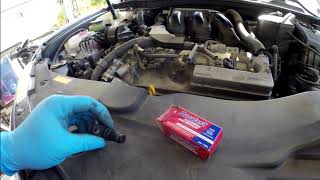
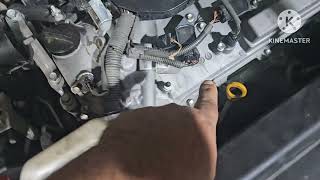
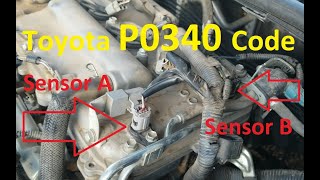
Technical Specifications
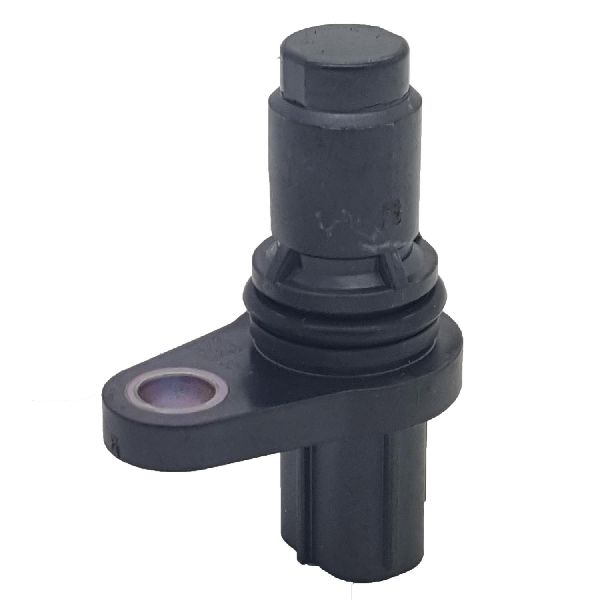
OEM Part Numbers: 90919-A5007 90919-05060 90919-05026 90919-05013
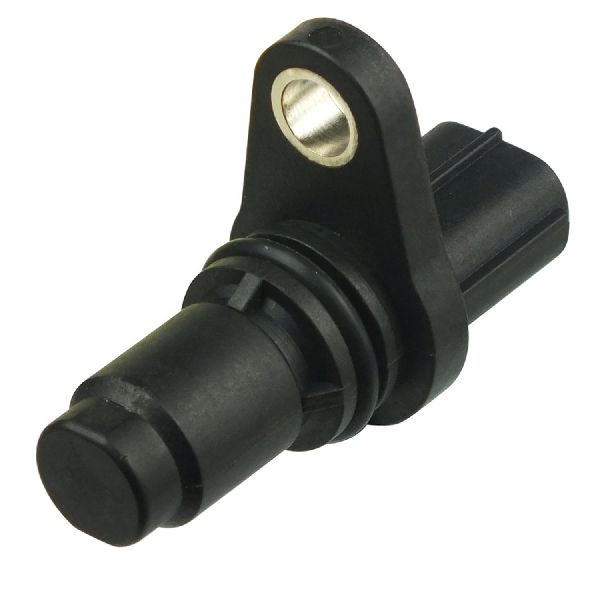
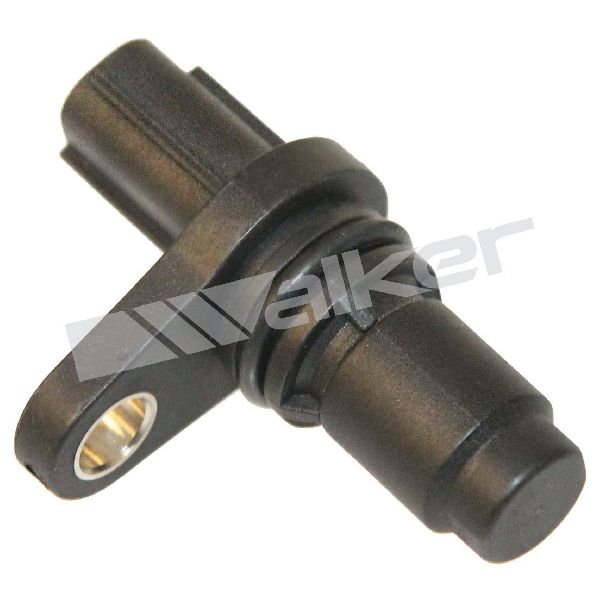
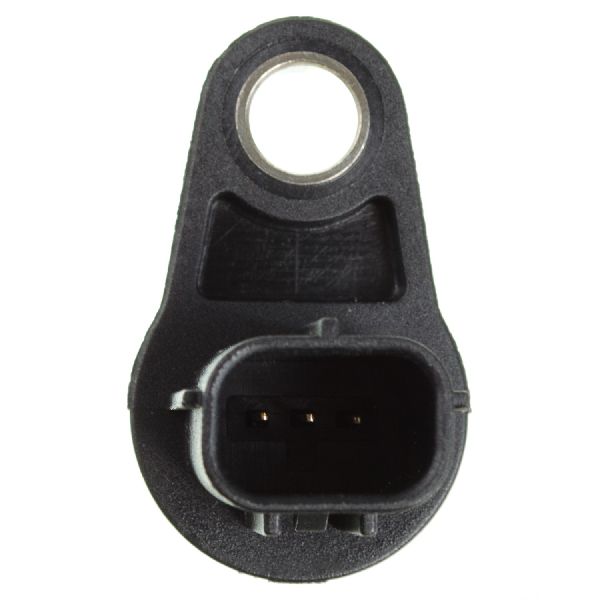
For most 2005-2022 Toyota Avalon models with the 3.5L 2GR-FE V6 engine, all four sensors are identical. They are magnetic resistance or Hall-effect sensors held in by a single bolt.
We Have This Part in Stock


The information in this article is provided for general reference and educational purposes only. Vehicle specifications, procedures, and part compatibility can vary by production date, trim level, and region. Always consult your vehicle's factory service manual and verify part numbers before purchasing or performing repairs. Safety-critical components such as airbags, seat belts, and braking systems should be installed by a qualified professional.
- Toyota Avalon:
- 🎬 Helpful Videos
- 🛍️ Shop This Part
- Is Your Avalon Running Rough? It Could Be a Camshaft Position Sensor.
- Symptoms of a Failing Camshaft Position Sensor
- Choosing the Right Aftermarket Sensor: Brand Quality Matters
- Cost to Replace a Toyota Avalon Camshaft Position Sensor
- DIY Installation: An Easy 15-Minute Job
- Frequently Asked Questions
- 🎟️ Get 5% Off