

A Guide to Replacing Oxygen Sensors on the 2005-2019 Buick LaCrosse
Keep your LaCrosse running efficiently by understanding when and how to replace a faulty oxygen sensor.
- A bad oxygen sensor will trigger the Check Engine Light and cause poor fuel economy and rough running.
- For best results on a Buick LaCrosse, use OEM ACDelco or high-quality OEM-equivalent brands like Denso.
- Do not ignore a failing O2 sensor, as it can lead to costly catalytic converter damage over time.
- Confirm the exact sensor location (Bank 1/2, Upstream/Downstream) before buying a replacement part.
Understanding the Oxygen Sensor in Your LaCrosse

Your Buick LaCrosse relies on oxygen sensors to maintain the perfect balance of air and fuel for combustion. Most modern vehicles, including the LaCrosse, have multiple O2 sensors. Typically, there is at least one "upstream" sensor located in the exhaust manifold before the catalytic converter and one "downstream" sensor located after it. The upstream sensor helps control the fuel mixture, while the downstream sensor monitors the efficiency of the catalytic converter. V6 models will have more sensors than 4-cylinder models, usually one upstream and one downstream sensor for each engine bank.
Symptoms of a Failing Oxygen Sensor


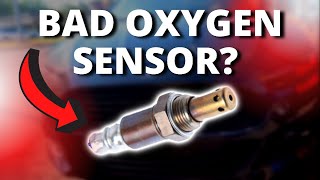
When an O2 sensor starts to fail, your car's computer receives incorrect data, leading to several noticeable problems. Ignoring 🎬 Watch this video to see common symptoms of bad sensors. these signs can lead to more severe and costly repairs down the road.
- Check Engine Light: This is often the first and most common sign. A code reader will typically show codes related to the O2 sensor circuit or fuel trim, such as P0130, P0171, or P0172.
- Poor Fuel Economy: A bad sensor can cause the engine to run too rich (too much fuel), leading to you filling up your gas tank more often.
- Rough Idle and Misfires: You might notice your engine running unevenly, shaking, or misfiring, especially when stopped. This happens because the air-fuel mixture is not correct.
- Sluggish Performance: Your LaCrosse may feel slow to accelerate or generally less powerful than usual.
- Rotten Egg Smell: A strong sulfur or rotten egg smell from the exhaust can indicate that unburnt fuel is overheating the catalytic converter, a problem often caused by a bad O2 sensor.
Can You Drive with a Bad O2 Sensor?
While your LaCrosse will still run with a failing oxygen sensor, it's not recommended for long. Continuing to drive can lead to poor engine performance, terrible gas mileage, and, most importantly, expensive damage to your catalytic converter. Replacing an O2 sensor is much cheaper than replacing a catalytic converter.
Choosing the Right Aftermarket Oxygen Sensor

When shopping for a new aftermarket oxygen sensor, it's important to understand that not all brands offer the same level of quality and compatibility. For GM vehicles like the Buick LaCrosse, sticking close to the original equipment (OE) specifications is often the safest bet.
Brand Quality Tiers for Buick LaCrosse
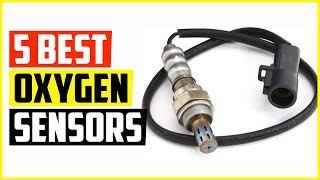
- Tier 1: OEM & OEM-Equivalent Brands (ACDelco, Denso): ACDelco is the original equipment manufacturer for General Motors, making it a guaranteed fit and performance match. Denso is another top-tier brand known for manufacturing OE parts for many automakers and is widely considered a reliable equivalent with excellent performance. Many professional mechanics recommend sticking with these two brands for GM vehicles to avoid compatibility issues. 🎬 Check out this review of the best oxygen sensor brands.
- Tier 2: High-Quality Aftermarket (Bosch, NGK, Delphi): These brands are well-respected in the aftermarket community. Bosch invented the automotive oxygen sensor and is a massive global supplier. However, some forums mention that Bosch sensors can occasionally have calibration differences with GM engine computers, though many users have no issues. NGK (also known as NTK for sensors) and Delphi are also strong choices with a reputation for quality.
- Tier 3: Economy Brands (Walker Products, Spectra, DriveWire): These brands offer a more budget-friendly option. While they can be a good value, their lifespan and performance consistency may not match the higher-tiered brands. Walker Products is often noted as a better-quality economy option.
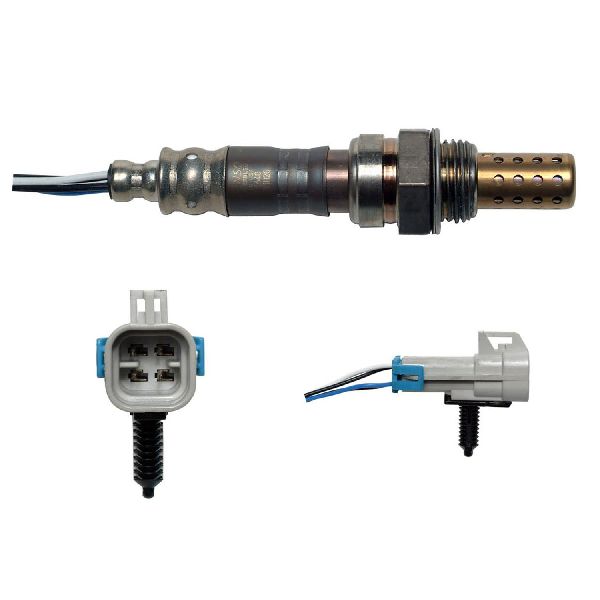
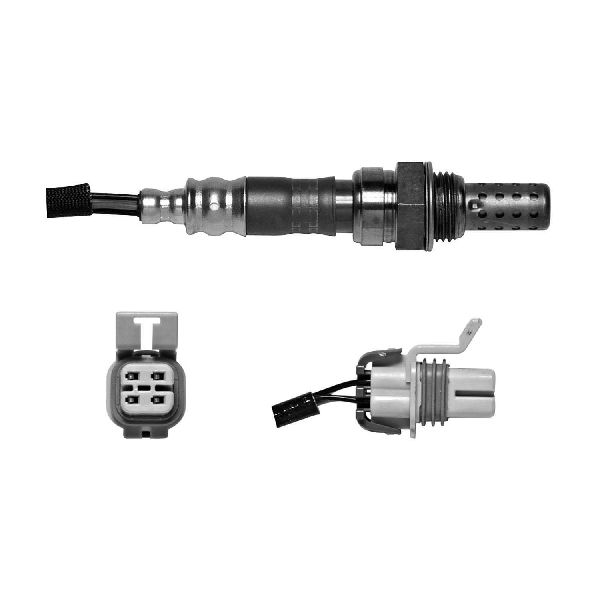
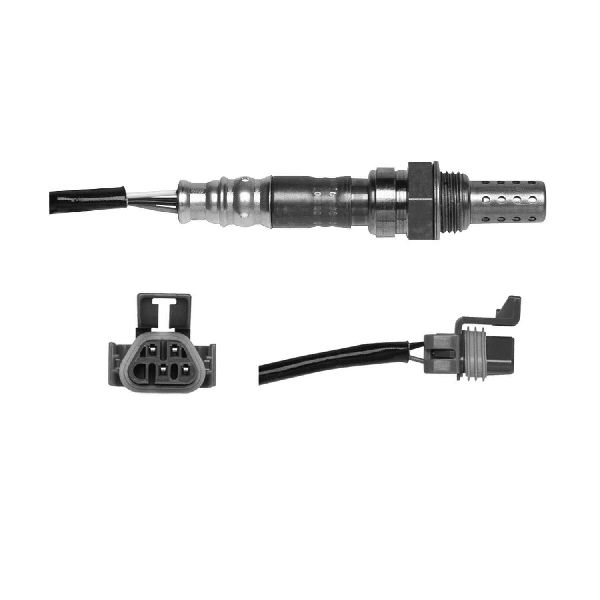
Pro Tip: Always verify the sensor's position (e.g., Bank 1 Sensor 1, Bank 2 Sensor 2) before purchasing. The location determines the wire harness length and sometimes the connector type. Upstream and downstream sensors are not always interchangeable, even if they look similar.
Cost of Replacing a Buick LaCrosse Oxygen Sensor
The cost can vary based on the sensor's location, the brand you choose, and labor rates in your area. Downstream sensors are often harder to access and may have higher labor costs.
| Part/Service | Estimated Cost |
|---|---|
| New Aftermarket Oxygen Sensor | $35 - $182 |
| New OEM (ACDelco) Oxygen Sensor | $75 - $250+ |
| Shop Labor | $90 - $200 |
| Total Professional Replacement | $125 - $450+ |
Note: Costs are estimates and can vary. V6 models have more sensors, which can increase the total cost if multiple sensors need replacement.
Frequently Asked Questions (FAQ)
How many oxygen sensors does my Buick LaCrosse have?
It depends on the engine. A 4-cylinder engine typically has two sensors: one upstream and one downstream. A V6 engine usually has four sensors: an upstream and a downstream sensor for each of the two cylinder banks (Bank 1 and Bank 2).
What is the difference between an upstream and a downstream sensor?
The upstream sensor (Sensor 1) is located before the catalytic converter and measures the raw exhaust gases to help the engine computer adjust the air-fuel mixture. The downstream sensor (Sensor 2) is located after the catalytic converter and monitors its efficiency by comparing its reading to the upstream sensor.
Is replacing an O2 sensor a DIY job?
Yes, it is often feasible for a DIY mechanic. However, the sensors can be very difficult to remove, especially if they are rusted in place. You will need a special tool called an oxygen sensor socket. Sometimes warming the engine for a minute or two can help loosen a stubborn sensor, but be extremely careful working around a hot exhaust.
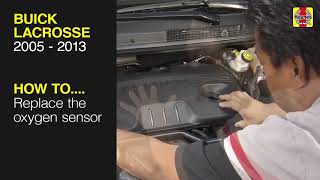
🎬 Follow this step-by-step guide to replace your LaCrosse sensor.Are there any recalls for the Buick LaCrosse oxygen sensor?
Searches of the National Highway Traffic Safety Administration (NHTSA) database did not reveal any specific recalls for oxygen sensors on the 2005-2019 Buick LaCrosse. However, GM has issued Technical Service Bulletins (TSBs) for technicians related to diagnosing fuel trim and oxygen sensor codes that could be caused by other issues like vacuum or exhaust leaks.
Helpful Videos
Technical Specifications
OEM Part Numbers: 12609457 12612430 12589321 213-4299 213-2823
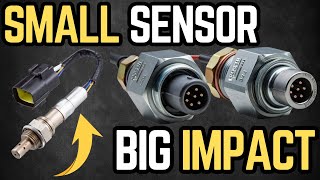
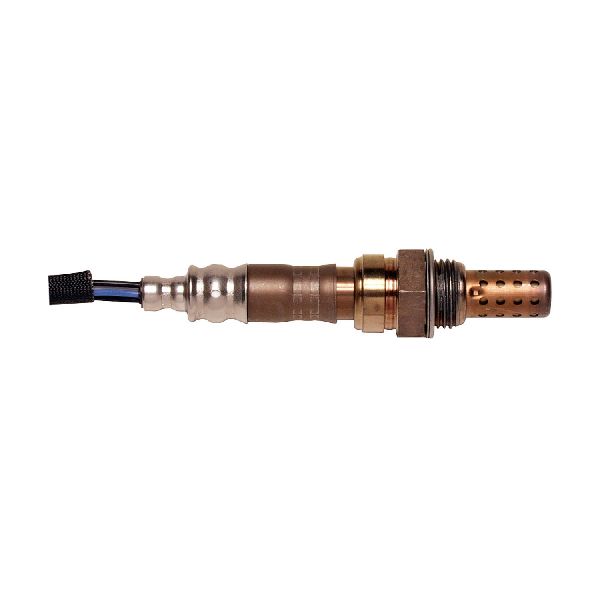
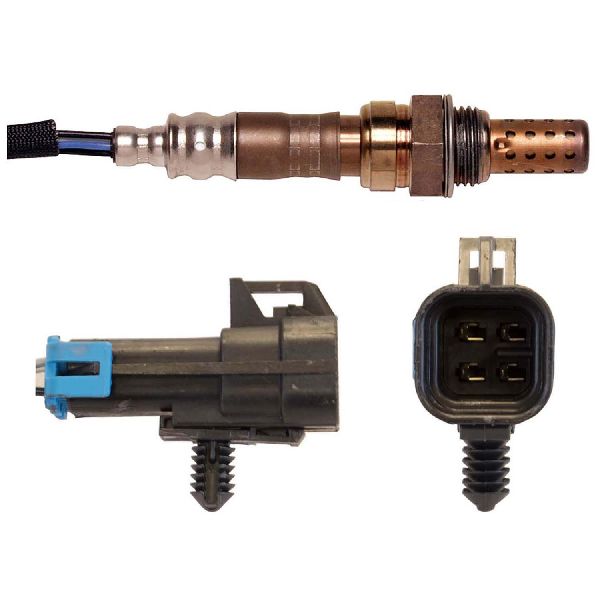
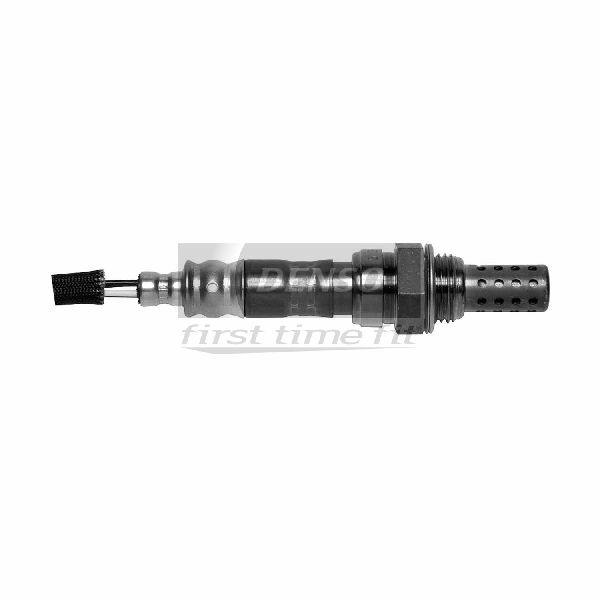
Most sensors for the LaCrosse are of the heated, 4-wire type with a thread size of M18-1.50. However, wire length and connector plugs vary significantly depending on the specific year, engine (4-cyl vs V6), and position (upstream/downstream, bank 1/2). Always verify the exact part number for your vehicle's VIN.
We Have This Part in Stock

The information in this article is provided for general reference and educational purposes only. Vehicle specifications, procedures, and part compatibility can vary by production date, trim level, and region. Always consult your vehicle's factory service manual and verify part numbers before purchasing or performing repairs. Safety-critical components such as airbags, seat belts, and braking systems should be installed by a qualified professional.
- Buick LaCrosse: