

Your Guide to the 2005-2013 Chrysler 300 Oxygen Sensor
Is a bad oxygen sensor hurting your Chrysler 300's performance and fuel economy? Here’s what you need to know.
- Your 300 has four O2 sensors; identify the correct one (e.g., Bank 1, Sensor 2) before buying.
- Symptoms include a check engine light, bad gas mileage, and rough running. Ignoring them can damage your catalytic converter.
- For best results, choose aftermarket brands like Denso or NGK (NTK), which are often the original equipment suppliers.
- Replacement is a possible DIY job, but sensors can be very difficult to remove from the exhaust pipe.
Is Your Chrysler 300 Oxygen Sensor Failing?

When an oxygen sensor starts to fail, your car's computer gets bad information. This can cause a number of problems you might notice while driving. Ignoring these signs can lead to more expensive repairs down the road, like a damaged catalytic converter.
Common Symptoms of a Bad O2 Sensor:
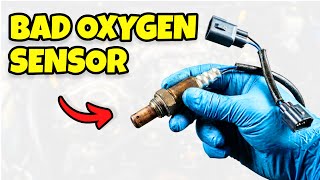
🎬 Watch: 5 common symptoms of a failing oxygen sensor- Check Engine Light: This is the most common sign. The light will turn on when the computer detects a problem with a sensor's signal.
- Worse Gas Mileage: The engine may use more fuel than necessary because the air-fuel mixture is incorrect.
- Rough Idle or Misfires: Your 300 might run rough, shake at a stop, or hesitate when you accelerate.
- Rotten Egg Smell: A strong sulfur or rotten egg smell from the exhaust means unburned fuel is getting into the catalytic converter, a problem often caused by a bad O2 sensor.
Choosing the Right Aftermarket Oxygen Sensor

You don't have to buy the most expensive Mopar part from the dealership. Many aftermarket brands offer excellent quality, often made by the same companies that supply Chrysler. Here’s how the common brands stack up for your 300.
Pro Tip: Upstream vs. Downstream
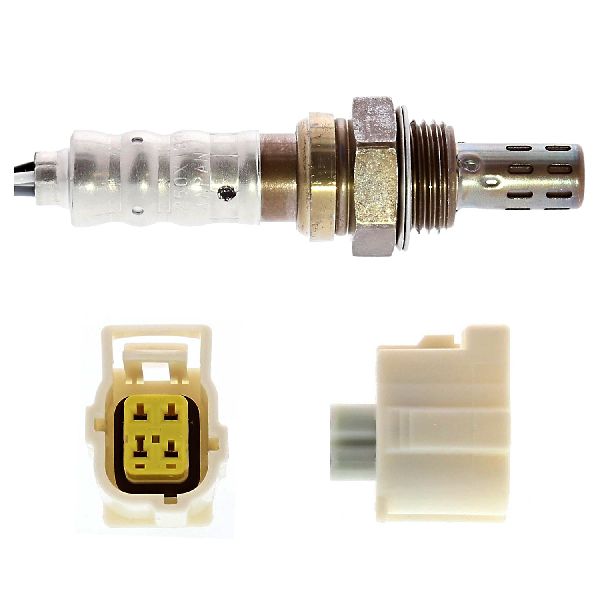
Your Chrysler 300 has four sensors. Two "upstream" (before the catalytic converter) and two "downstream" (after the catalytic converter). They are not interchangeable. Always confirm the exact location (e.g., Bank 1, Sensor 1) before buying a replacement.
Brand Quality Tiers
- Top Tier (OEM Quality): Denso and NGK (NTK) are the original equipment manufacturers for many vehicles, including Chrysler. These brands are highly recommended for a perfect fit and reliable performance. Mopar sensors are often just rebranded Denso or NGK parts.
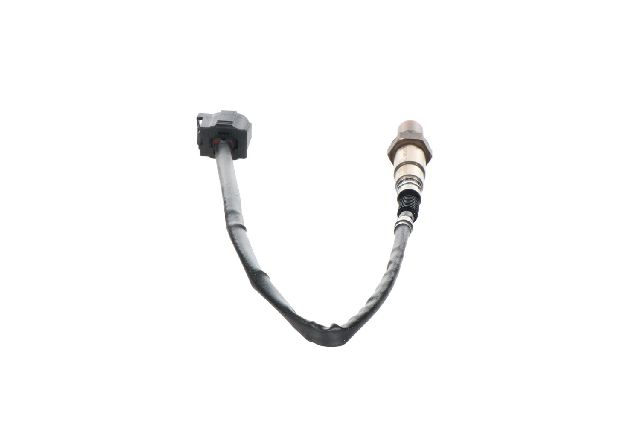
- Reputable Aftermarket: Bosch is a huge name in auto parts and makes quality sensors. While they are generally reliable, some forum users prefer to stick with Denso or NGK for Chrysler vehicles to ensure perfect compatibility. Delphi is another trusted aftermarket brand.
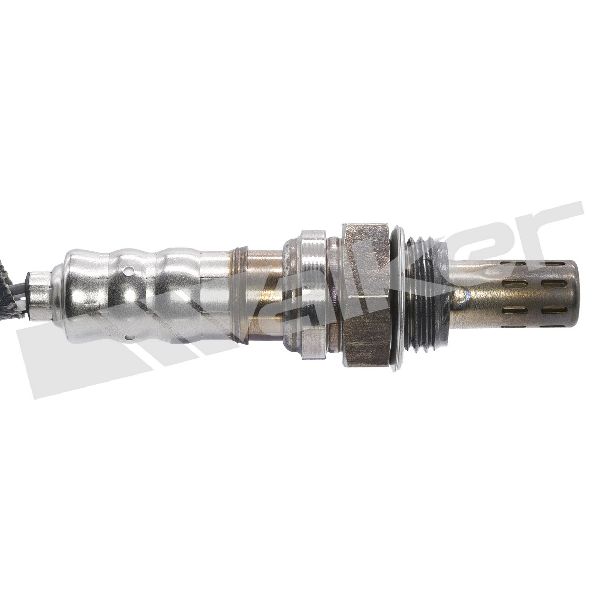
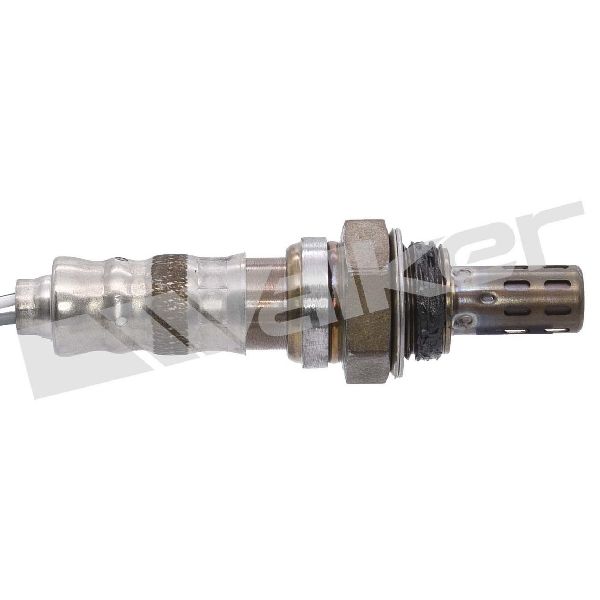
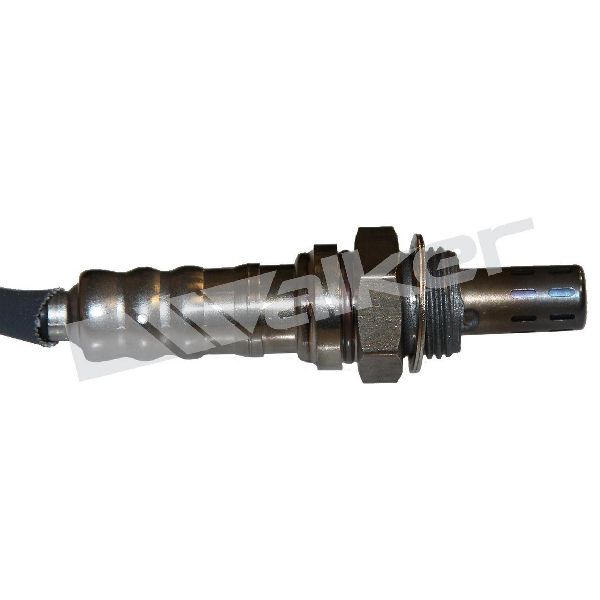
- Economy Options: Brands like Walker Products, Spectra, and DriveWire offer a more budget-friendly choice. They can be a good value for an older vehicle, but may not have the same lifespan as top-tier brands.
How Much Does an Oxygen Sensor Replacement Cost for a 2005-2013 Chrysler 300?
The cost depends on the brand you choose and whether you do the work yourself. Your vehicle has four sensors, but you usually only replace the one that has failed.
| Part Type | Estimated Cost |
|---|---|
| New OEM (Mopar) | $90 - $200+ per sensor |
| New Aftermarket | $32.90 - $145.68 per sensor |
| Shop Labor | $80 - $150 per sensor |
A Note on Known Issues
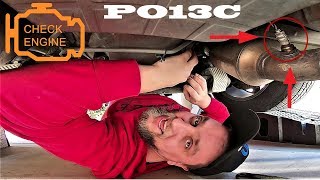
No specific recalls exist for oxygen sensors on the 2005-2013 Chrysler 300. However, error codes like P013A, P013C, P015A, and P015C are common and point to a "slow response" from a sensor. This usually means the sensor is getting old and needs to be replaced.
🎬 Watch: Replacing a Bank 2 sensor to fix code P013CFrequently Asked Questions


Can I replace just one oxygen sensor?
Yes. You only need to replace the sensor that has failed. A code reader will tell you the specific sensor location, such as "Bank 2, Sensor 1." However, O2 sensors tend to have a similar lifespan, so if one fails, another may not be far behind.
Is replacing an O2 sensor a DIY job?
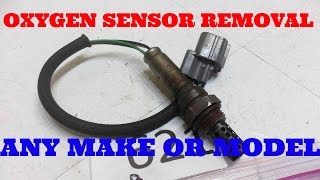
For many people, yes. The job requires lifting the car safely, unplugging an electrical connector, and unscrewing the old sensor. However, the sensors can be extremely tight in the exhaust pipe and may require a special O2 sensor socket and a lot of force, or even heat, to remove.
🎬 See this guide on removing stubborn sensors from any vehicleWhat tools do I need to replace a Chrysler 300 O2 sensor?
You will need a jack and jack stands, a 22mm (or 7/8 inch) wrench, and potentially an O2 sensor socket, which is designed to fit over the sensor's wire. Penetrating oil to spray on the threads beforehand is also highly recommended.
What are "Bank 1" and "Bank 2"?
On a V-engine like the ones in the Chrysler 300, "Bank 1" is the side of the engine that contains cylinder #1. For the Chrysler 300, this is the passenger side. "Bank 2" is the driver's side.
Do I need to clear the check engine light after replacement?
The light may turn off on its own after a few driving cycles. If not, you can clear it with a basic OBD-II scanner or by disconnecting the negative battery terminal for about 15-20 minutes.
Helpful Videos
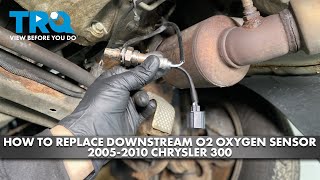
Technical Specifications
OEM Part Numbers: 56028995AA 56029049AA 56041698AA 5149171AA
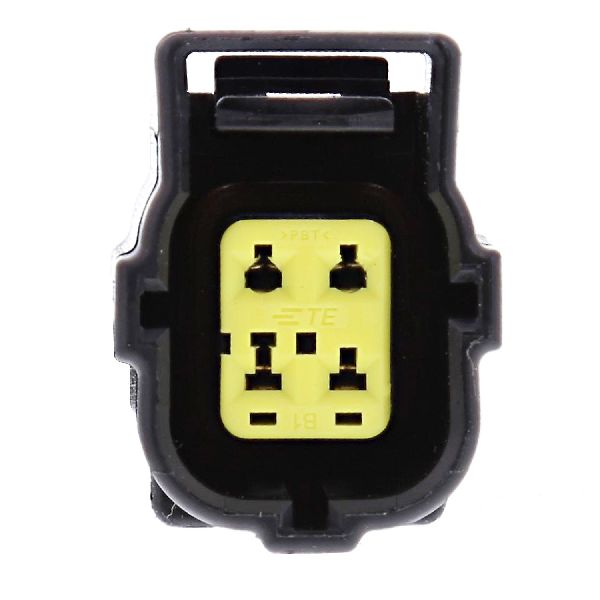
Your 2005-2013 Chrysler 300 uses four heated, 4-wire, narrow-band oxygen sensors. The specific part number varies by engine (2.7L, 3.5L, 3.6L, 5.7L, 6.1L, 6.4L), model year, and sensor location (upstream/downstream, left/right bank). Always verify the part number for your specific vehicle configuration.
We Have This Part in Stock

The information in this article is provided for general reference and educational purposes only. Vehicle specifications, procedures, and part compatibility can vary by production date, trim level, and region. Always consult your vehicle's factory service manual and verify part numbers before purchasing or performing repairs. Safety-critical components such as airbags, seat belts, and braking systems should be installed by a qualified professional.
- Chrysler 300: