

Honda Accord Automatic Transmission Input Speed Sensor Guide (2005-2012)
Experiencing harsh shifting or a blinking 'D' light? Your Accord's input speed sensor might be the culprit.
- Symptoms include a flashing 'D' light, harsh shifting, and a check engine light with codes P0717 or P0718.
- This is an easy DIY replacement that takes under an hour with basic tools.
- For aftermarket parts, NTK is a top-tier choice with OEM-level quality, while Standard Ignition is a budget-friendly alternative.
- Always replace the small O-ring and lubricate it with fresh transmission fluid or oil before installing the new sensor to ensure a proper seal.
Understanding the Input Shaft Speed Sensor in Your Accord

If your 2005-2012 Honda Accord has an automatic transmission, it relies on two main speed sensors to shift correctly: an input sensor and an output sensor. The input sensor specifically tracks the speed of the shaft that receives power from the engine. When this sensor fails, the car's computer gets confusing information, leading to a variety of noticeable transmission problems. This is a common failure point, but thankfully, it's straightforward to diagnose and replace.
Top 4 Symptoms of a Failing Input Speed Sensor

A bad input speed sensor will usually trigger very specific warning signs. Here’s what to look for:
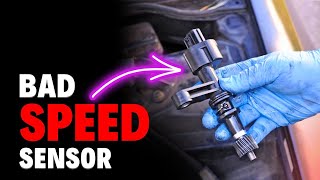
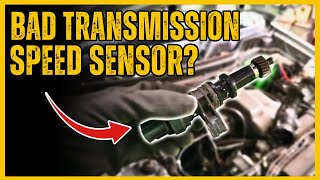
🎬 Watch this video to see common bad speed sensor symptoms.- Check Engine Light: This is often the first sign. The computer will store a trouble code related to the sensor.
- Blinking 'D' (Drive) Light: The green 'D' on your instrument cluster will start flashing, indicating a transmission-related fault has been detected.
- Harsh or Erratic Shifting: You may feel the transmission slam into gear, hesitate, or shift at the wrong times. In some cases, it may get stuck in one gear (limp mode).
- TCS Light On: Sometimes, the Traction Control System (TCS) warning light will illuminate along with the other warnings.
Check the Codes First
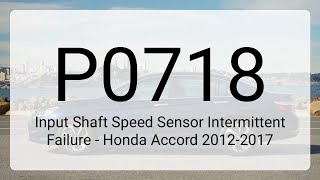
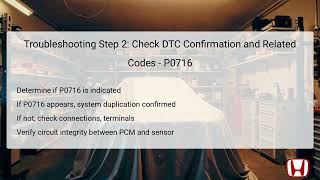
The most common trouble codes for this issue are P0717 (Input Speed Sensor Circuit No Signal) 🎬 Learn more about diagnosing a P0717 trouble code. and P0718 (Input Speed Sensor Intermittent Failure). 🎬 See how to troubleshoot an intermittent input shaft sensor failure. While these codes often point to a bad sensor, they can also be caused by a wiring problem or a loose connection. Always confirm the sensor is the problem before replacing it.
Choosing the Right Aftermarket Sensor: Brand Quality Matters

When replacing this sensor, you have a choice between Genuine Honda parts and aftermarket brands. For a critical electronic component like this, brand reputation is important.
- Premium Aftermarket (NGK/NTK): NTK is the sensor division of NGK, a company that is an Original Equipment Manufacturer (OEM) for many Honda sensors. Choosing an NTK sensor is often considered the best aftermarket option, providing OEM-level quality and reliability without the dealer price tag.
- Standard Aftermarket (Standard Ignition): Standard Motor Products (SMP) is a well-known aftermarket brand that offers a more budget-friendly option. While many users have success with these parts, some have reported receiving faulty sensors out of the box, leading to more diagnostic time. It's a viable choice if budget is the primary concern, but carries a slightly higher risk compared to NTK.
- OEM (Honda): The Genuine Honda part is a guaranteed fit and quality, but comes at the highest cost. If you prefer to use only factory parts, this is your choice, but a premium aftermarket brand like NTK will offer similar performance for less.
Cost of Replacing the Input Speed Sensor
The total cost will depend on the part you choose and whether you do the work yourself. The replacement is a simple, one-bolt job that many owners can do at home in under an hour.
| Part/Service | Estimated Cost |
|---|---|
| New OEM Sensor | $85 - $130 |
| New Aftermarket Sensor | $28 - $90 |
| Shop Labor | $60 - $120 |
| DIY Total (Aftermarket) | $28 - $90 |
| Shop Total (Aftermarket) | $88 - $210 |
Frequently Asked Questions

Where is the input speed sensor located on my 2005-2012 Accord?
The input shaft speed sensor is located on the top or front of the automatic transmission housing. It's usually accessible from the engine bay, sometimes requiring the removal of the plastic air intake tube for easier access. It is held in by a single 10mm bolt and has a blue electrical connector.
Can I drive my Accord with a bad input speed sensor?
It is not recommended. While the car may be drivable, it will likely have severe shifting problems and could enter a "limp mode" with limited power and speed. Driving with harsh, unpredictable shifts can put extra strain on your transmission. You should get the issue diagnosed and repaired as soon as possible.
Is this a difficult part to replace myself?
No, this is considered an easy DIY repair. The job requires basic hand tools (primarily a 10mm socket or wrench), takes less than an hour, and does not require lifting the vehicle. The key steps are disconnecting the battery, unplugging the sensor, removing one bolt, and swapping the old sensor for the new one.
Do I need to replace the output speed sensor at the same time?
It is not required, but some mechanics recommend it as a preventative measure. The input and output sensors are often replaced in pairs because they are of the same age and perform similar functions. If one has failed, the other may not be far behind. However, if you are on a budget, you can just replace the one that has failed.
Are there any recalls for this sensor?
No, there are no specific recalls or Technical Service Bulletins (TSBs) from Honda or the NHTSA for the automatic transmission input speed sensor on the 2005-2012 Honda Accord.
Helpful Videos

Technical Specifications
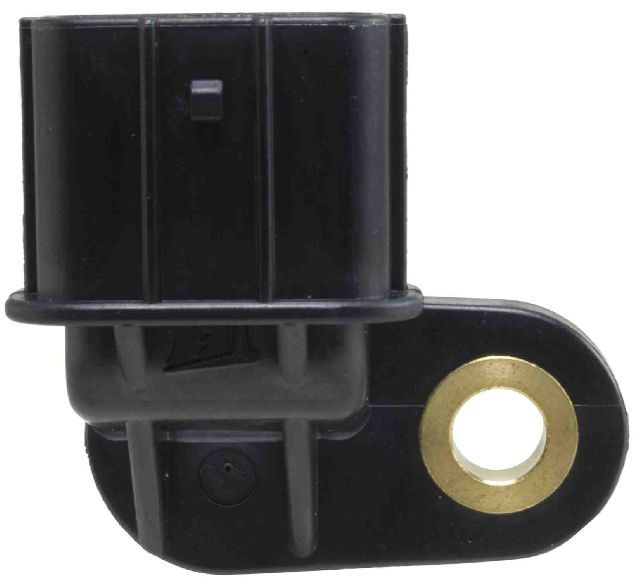
OEM Part Numbers: 28810-RPC-013 28810-RPC-003 28810-PPW-013
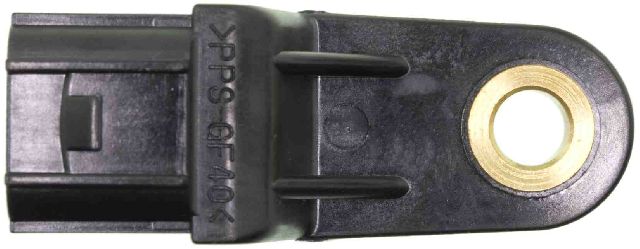
3-pin electrical connector, held in by a single 10mm bolt. Includes a rubber O-ring for sealing.
We Have This Part in Stock


The information in this article is provided for general reference and educational purposes only. Vehicle specifications, procedures, and part compatibility can vary by production date, trim level, and region. Always consult your vehicle's factory service manual and verify part numbers before purchasing or performing repairs. Safety-critical components such as airbags, seat belts, and braking systems should be installed by a qualified professional.
- Honda Accord: