

Freightliner Argosy Turbocharger Boost Sensor Guide (2005-2012)
Diagnose and fix power loss and black smoke issues related to a bad boost sensor on your Argosy.
- A bad boost sensor is a common cause of low power and black smoke on Argosy trucks with Detroit, Cummins, or CAT engines.
- Symptoms can be identical to a boost leak; always check hoses and the charge air cooler (CAC) for cracks or leaks first.
- Cleaning the sensor with contact cleaner may fix the issue, but replacement is often necessary.
- Verify the exact part number for your engine (Cummins vs. Detroit vs. CAT) as they look similar but are not interchangeable.
Is Your Freightliner Argosy Losing Power? It Could Be the Boost Sensor.

If your 2005-2012 Freightliner Argosy feels sluggish, struggles to pull hills, or is blowing black smoke, a failing turbocharger boost sensor is a likely culprit. This sensor is a common failure point on the Detroit Diesel, Cummins, and Caterpillar engines used in these trucks. Failure is often caused by soot and carbon buildup from the exhaust gas recirculation (EGR) system, which clogs the sensor's reading element. Sometimes the issue is as simple as a dried-out, cracked O-ring causing a pressure leak.
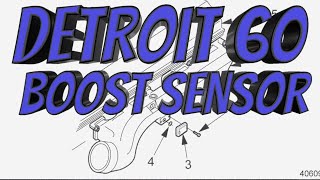
🎬 See how to fix a Detroit 60 sensor for pennies.Symptoms of a Failing Turbo Boost Sensor

A bad boost sensor can cause a variety of problems, which may appear intermittently at first. You might notice:
- Significant Loss of Power: The truck feels weak and has poor throttle response, especially when climbing grades.
- Black Smoke from Exhaust: The engine runs rich (too much fuel, not enough air) because the ECM gets an incorrect, low-pressure reading from the bad sensor.
- Poor Fuel Economy: An incorrect air-fuel mixture means the engine isn't running efficiently, leading to more fuel consumption.
- Rough or Unstable Idle: The engine may surge or run unevenly when idling.
- Check Engine Light: A failing sensor will often trigger a check engine light and store fault codes. Common codes include P0107, P0108, and Cummins-specific codes like 125.
Pro Tip: Check for Leaks First
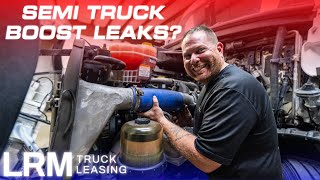
Before replacing the sensor, inspect all air hoses between the turbo, the charge air cooler (CAC), and the intake manifold. A cracked hose or a leaking clamp can cause the same symptoms as a bad sensor. A visual inspection and listening for audible leaks during a forced regeneration can help pinpoint the issue.
🎬 Watch this step-by-step guide on finding boost leaks.Choosing the Right Aftermarket Boost Sensor

Since Original Equipment (OEM) parts can be expensive, many owners turn to the aftermarket. For the Argosy, you'll find several options. It's important to know that part quality can vary.
- Premium Aftermarket (e.g., Dorman, Bosch): Brands like Dorman and Bosch are well-known in the aftermarket industry. They often engineer their parts to meet or exceed OEM specifications and are a reliable choice for this critical sensor.
- Standard/Value Aftermarket (e.g., Global Parts, Replacement): These brands offer a cost-effective solution. While they can be a good value, they may not have the same long-term durability or precise calibration as premium brands. For a part that is relatively easy to change, some owners may opt for a value brand and replace it more frequently if needed.
Warning: Match Your Part Number!
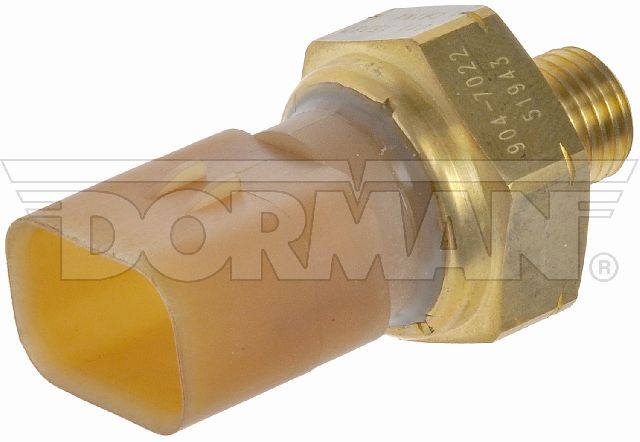
Freightliner used different engines, and each has a specific boost sensor. A Cummins ISX uses a different sensor than a Detroit Diesel Series 60 or a Caterpillar C15. These sensors can look very similar but have different pressure ranges and connectors. Installing the wrong part can cause continued performance issues or new fault codes. Always verify the OEM part number for your specific engine before ordering.
Cost of Replacing a Turbocharger Boost Sensor (2005-2012 Argosy)
| Part Type | Estimated Cost |
|---|---|
| New Aftermarket Part | $25 - $249 |
| Shop Labor | $60 - $150 |
Cost estimates are based on national averages and may vary by location and engine type. The wide price range for aftermarket parts reflects the difference between value and premium brands.
Frequently Asked Questions

Can I clean my boost sensor instead of replacing it?
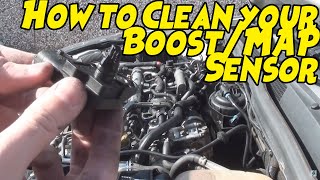
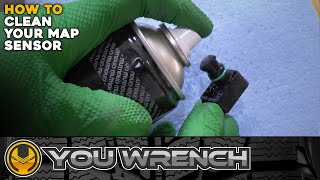
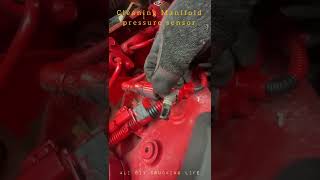
Yes, cleaning is often the first step. The sensor can be removed and carefully cleaned with electrical contact cleaner or a dedicated MAP sensor cleaner. Gently remove the soot buildup without damaging the internal sensing element. If cleaning doesn't solve the problem, or if the sensor is visibly damaged, replacement is necessary.
🎬 Watch: How to clean your sensor and fix common codes.Where is the turbo boost sensor located on my Argosy?
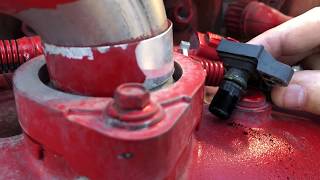
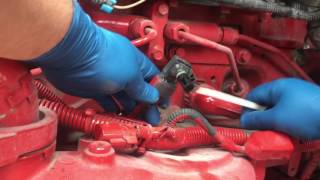
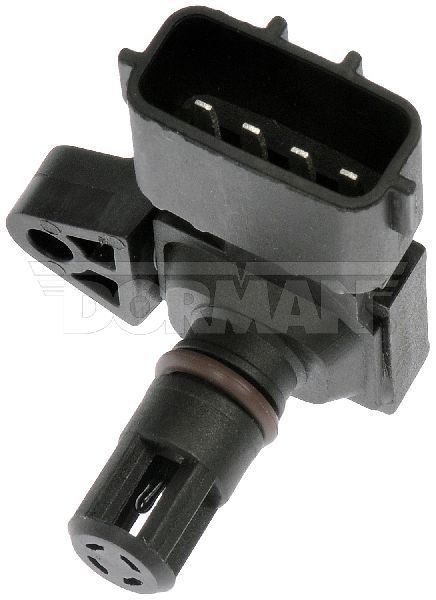
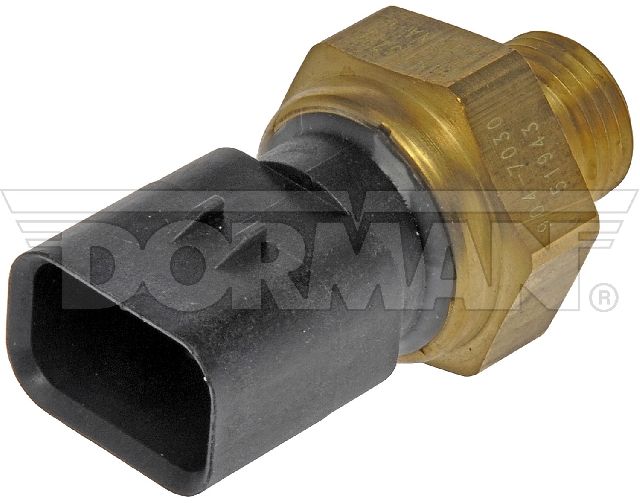
The sensor is typically bolted directly to the intake manifold on the driver's side of the engine. It's a small, black plastic sensor with an electrical connector and is usually held in place by one or two small bolts, making it easy to access.
Are there any recalls for the Freightliner Argosy boost sensor?
No, there are no specific recalls from the NHTSA for the turbocharger boost sensor on the 2005-2012 Freightliner Argosy. Any issues with this part are addressed as individual repairs.
What is Cummins TSB 190091?
This Technical Service Bulletin applies to many Cummins engines, including the ISX. It warns that fault codes like 125 (Intake Manifold Pressure Low) can be triggered by installing the wrong pressure/temperature sensor. Since many sensors look alike, it's crucial to verify the part number to ensure you are installing the correct one for the correct location.
Helpful Videos
Technical Specifications
OEM Part Numbers: 2872784 (Cummins) 4921324 (Cummins) 2897334 (Cummins) 23535663 (Detroit Diesel) A0041537028 (MBE) A0101535328 (MBE)
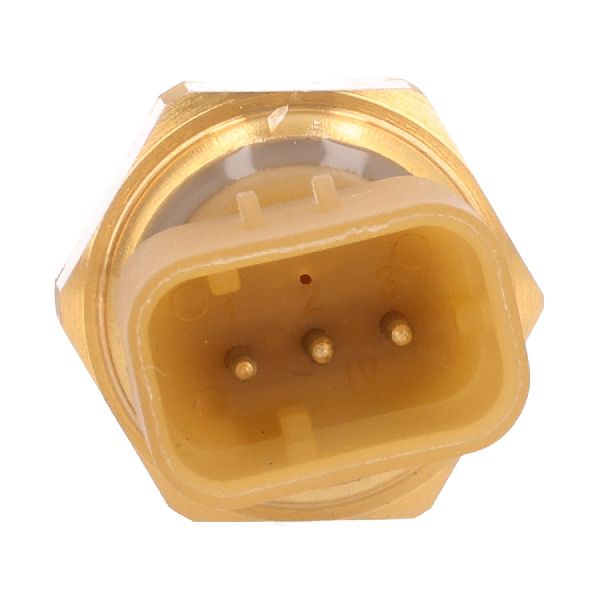
Typically a 3 or 4-pin plastic sensor that bolts onto the intake manifold. Pressure range and voltage output vary by engine manufacturer.
We Have This Part in Stock

The information in this article is provided for general reference and educational purposes only. Vehicle specifications, procedures, and part compatibility can vary by production date, trim level, and region. Always consult your vehicle's factory service manual and verify part numbers before purchasing or performing repairs. Safety-critical components such as airbags, seat belts, and braking systems should be installed by a qualified professional.
- Freightliner Argosy: