

Replacing the Manifold Absolute Pressure Sensor on Your 2005-2012 Dodge Dakota
If your Dakota is running rough, stalling, or getting poor gas mileage, the MAP sensor is a likely and easy-to-fix culprit.
- A bad MAP sensor on a Dakota typically causes rough idle, poor fuel economy, hesitation, and a check engine light with codes P0106, P0107, or P0108.
- Replacement is a very simple DIY task, taking less than 15 minutes with the sensor located on top of the engine.
- For reliability, choosing a quality aftermarket brand like Delphi or NGK, or sticking with OEM Mopar, is highly recommended over budget parts.
- Before replacing the sensor, always check for vacuum leaks or a damaged connector, as these can cause the same symptoms.
Is Your Dakota's MAP Sensor Failing?

A bad Manifold Absolute Pressure (MAP) sensor can make your truck run poorly. Because this sensor directly affects the air-fuel mixture and ignition timing, a bad signal can cause a lot of noticeable problems. You'll likely see a Check Engine Light on your dashboard, but even if you don't, a failing sensor can still cause issues.
Common Symptoms of a Bad MAP Sensor:
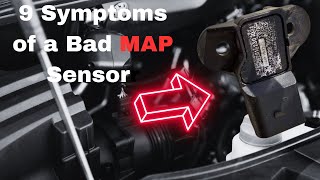
🎬 Watch: 8 common symptoms of a failing MAP sensor- Poor Engine Performance: Your truck might idle roughly, hesitate when you press the gas, or even stall at stops.
- Reduced Fuel Economy: If the computer thinks there is more pressure than there actually is, it will inject too much fuel, wasting gas.
- Black Smoke from Exhaust: This is a sign of a very rich fuel mixture (too much gas), which can be caused by a faulty MAP sensor telling the computer the engine is under a heavy load when it isn't.
- Check Engine Light: The most common trouble codes associated with a bad MAP sensor are P0106, P0107, and P0108.
Rule Out Other Issues First
Before you replace the MAP sensor, check for simpler problems. A cracked or disconnected vacuum hose can cause identical symptoms and trigger the same error codes. Also, inspect the sensor's electrical connector for any corrosion or damage.
Choosing the Right Aftermarket MAP Sensor

When it comes to engine sensors for your Dakota, quality matters. While it can be tempting to buy the cheapest part available, a low-quality sensor can fail quickly or provide inaccurate readings, leaving you with the same problems.
Brand Quality Tiers:
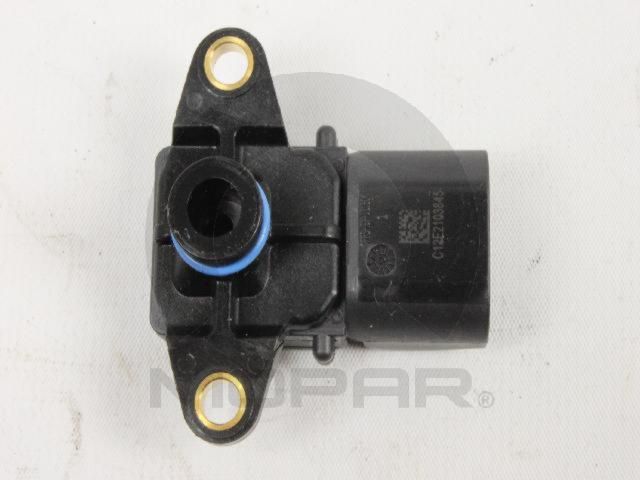
- OEM (Mopar): This is the original part your truck came with. It's the benchmark for quality and fit, but often the most expensive option. For a critical sensor, Mopar is always a safe bet.
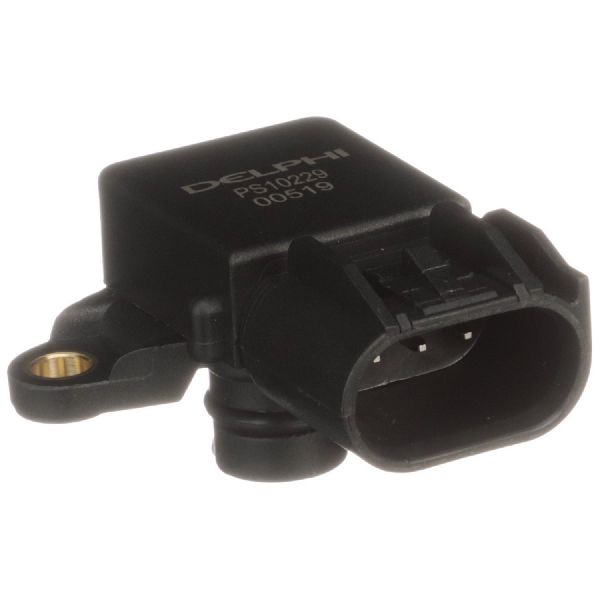
- Premium Aftermarket (Delphi, NGK/NTK): These brands are often original equipment suppliers to many car manufacturers. They are known for high-quality engineering and rigorous testing, making them a reliable and more affordable alternative to Mopar.
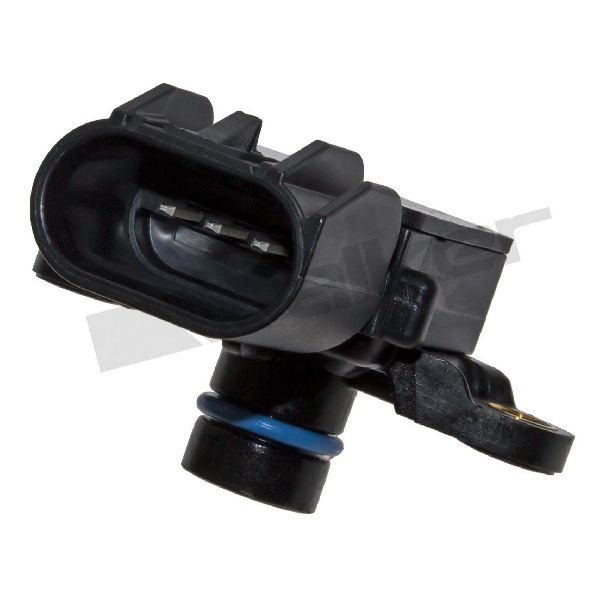
- Standard Aftermarket (Standard Ignition, Walker, Holstein): These brands offer a balance of price and quality. However, owner reviews for some, like Standard Ignition, are mixed, with some reporting early failures. They can be a good value, but it's a bit more of a gamble than with premium brands.
- Budget Brands: The lowest-priced options are often a poor investment. Forum users frequently report that cheap, unbranded sensors fail within months, forcing them to do the job twice.
Pro Tip: Location and Installation
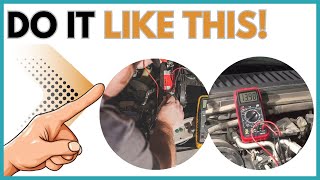
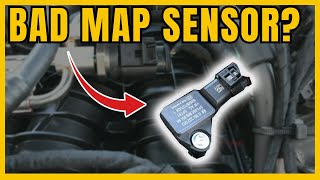
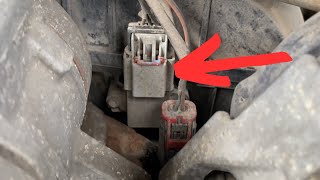
Replacing the MAP sensor is one of the easiest jobs you can do on your Dakota. On the 3.7L V6, it's on the front top of the engine. 🎬 See this 3.7L MAP sensor location and replacement guide On the 4.7L V8, it's on the intake manifold, just to the left of the alternator. 🎬 Watch: How to replace the sensor on a 4.7L engine It is held in by one or two small bolts and has a single electrical plug. The entire job usually takes less than 15 minutes with basic hand tools.
Cost of Replacing a Dodge Dakota MAP Sensor
| Part Type | Estimated Cost |
|---|---|
| New OEM (Mopar) | $95 - $150 |
| New Aftermarket | $35 - $130 |
| Shop Labor | $50 - $75 |
| Total Professional Installation | $150 - $255 |
Frequently Asked Questions

Are there any recalls or TSBs for the Dakota MAP sensor?
No. There have been no recalls issued by Dodge or the NHTSA for the MAP sensor on the 2005-2012 Dodge Dakota. While some Technical Service Bulletins (TSBs) exist for other vehicles that mention MAP sensor codes like P0106, there are no specific bulletins targeting this part on the Dakota. Failure is typically due to the part aging and wearing out.
Can I install a MAP sensor myself?
Yes, absolutely. This is a great beginner DIY job. The sensor is easily accessible on top of the engine on both the 3.7L and 4.7L engines and is secured with just one or two bolts. You only need basic hand tools, and the job can be done in under 15 minutes.
Is it safe to drive with a bad MAP sensor?
You can, but it's not recommended for long. Your truck will run poorly, get bad gas mileage, and may stall unexpectedly. Driving for an extended period with a very rich fuel mixture can also damage your catalytic converter, which is a much more expensive repair.
What's the difference between a MAP and a MAF sensor?
Your Dakota uses a MAP (Manifold Absolute Pressure) sensor. It measures air pressure in the intake manifold. Other vehicles might use a MAF (Mass Air Flow) sensor, which measures the volume and density of the air entering the engine. Both sensors help the computer calculate how much fuel to inject, but they measure different things to get there.
Helpful Videos


Technical Specifications
OEM Part Numbers: 56041018AD 56041018AC 5033310AC
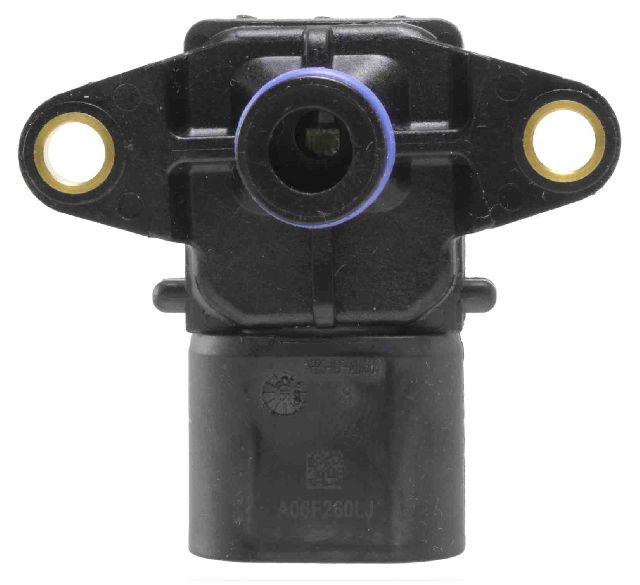
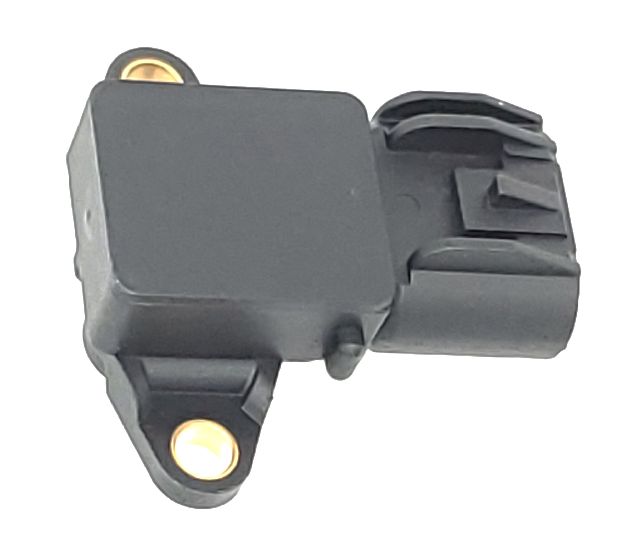
3-pin, bolt-on Manifold Absolute Pressure sensor.
We Have This Part in Stock


The information in this article is provided for general reference and educational purposes only. Vehicle specifications, procedures, and part compatibility can vary by production date, trim level, and region. Always consult your vehicle's factory service manual and verify part numbers before purchasing or performing repairs. Safety-critical components such as airbags, seat belts, and braking systems should be installed by a qualified professional.
- Dodge Dakota: