

A Guide to Replacing Ignition Coils on the 2005-2012 BMW 320i
Everything you need to know about diagnosing and replacing the ignition coils on your E90 BMW 320i.
- Ignition coil failure is a very common problem on the 2005-2012 BMW 320i, causing rough running and a check engine light.
- It is strongly recommended to replace all four coils at once using a quality aftermarket brand like NGK, Hitachi, or Standard Ignition.
- This is an extremely easy DIY repair that can be completed in under 30 minutes with basic tools, saving you on labor costs.
- Ignoring a bad coil can lead to damage to your catalytic converter, a much more expensive repair.
Is Your BMW 320i Running Rough? It Could Be an Ignition Coil
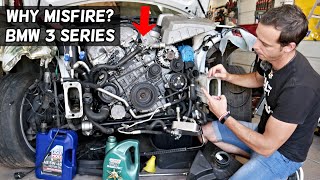
Ignition coil failure is a very common issue for the 2005-2012 (E90) BMW 320i. These parts are under constant stress from engine heat and vibration, and they tend to fail over time. When a coil starts to go bad, the engine's computer can't properly ignite the fuel and air in that cylinder, leading to a number of noticeable problems. The good news is that diagnosing the issue is straightforward, 🎬 Watch: An easy way to find which cylinder is misfiring. and replacing the coils is one of the easiest DIY jobs you can do on this car.
Signs of a Failing Ignition Coil
The symptoms of a bad ignition coil are hard to miss. You will likely experience one or more of the following:
- Rough Idle: The engine will shake or vibrate noticeably when stopped, feeling unbalanced.
- Engine Misfires: You'll feel a stuttering or hesitation from the engine, especially when accelerating.
- Check Engine Light: A failing coil will almost always trigger the check engine light. Common trouble codes include P0300 (random misfire) or P0301, P0302, P0303, P0304, which point to a misfire in a specific cylinder.
- Loss of Power: With one cylinder not firing correctly, your car will feel sluggish and weak.
- Worse Gas Mileage: The engine will burn more fuel to compensate for the lack of power.
Choosing the Right Aftermarket Ignition Coil
When it comes to ignition coils for your BMW, quality matters. Your 320i's engine management system is sensitive, and cheap, low-quality parts can cause persistent problems or fail quickly. The original equipment (OE) coils for this generation were often made by Bosch, and they had a known history of premature failure. This is a case where high-quality aftermarket parts can be a better choice than the original design.
Here’s a breakdown of the brands available:
- OEM-Equivalent Brands (Recommended): Brands like NGK, Hitachi, and Standard Ignition (SMP) have a strong reputation for quality and reliability in the BMW community. They are engineered to meet or exceed original specifications and are often designed to correct the flaws of the original parts. Many owners report excellent long-term results with these brands.
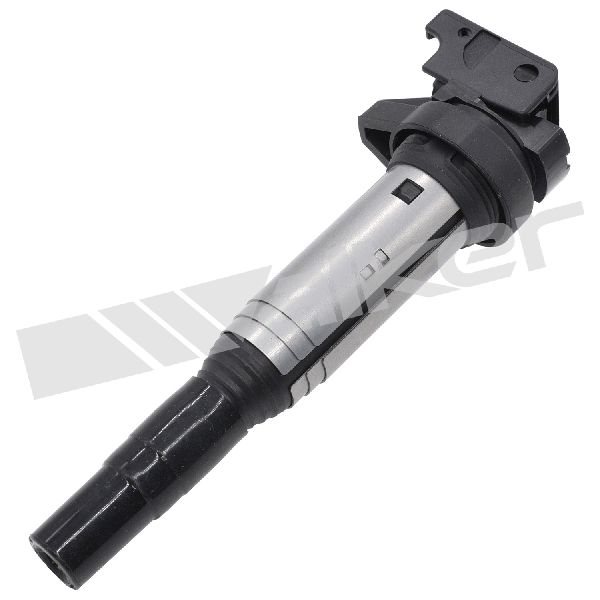
- Quality Aftermarket: Brands like Walker Products position themselves as reliable, OE-quality alternatives and are a solid choice for this repair.
- Budget-Friendly Brands: Brands like DriveWire, Global Parts, Holstein, and True Tech fall into this category. While they offer a lower price, their long-term durability may not match the premium brands. If the budget is tight, they can get you back on the road, but be aware that you may be replacing them again sooner.
Known Issues, Recalls, and TSBs
While there were no major, formal NHTSA recalls for ignition coils on the US-market 2005-2012 BMW 320i, BMW did issue service actions or "product enhancements" in other markets for similar engines. This is an acknowledgment of the part's known weakness. The failure of these coils is a widely documented issue among owners and mechanics, but it is generally treated as a standard wear-and-tear replacement item.
| Item | Price Range | Notes |
|---|---|---|
| New Aftermarket Ignition Coil (Single) | $31 - $97 | Price varies by brand quality. |
| New Aftermarket Ignition Coil (Set of 4) | $120 - $390 | Buying a set is often more economical. |
| New OEM Ignition Coil (Single) | $75 - $120 | Typically sourced from Bosch or Eldor. |
| Shop Labor for Replacement (All 4) | $80 - $160 | Based on 0.5 to 1 hour of labor. This is an easy DIY. |
Frequently Asked Questions (FAQ)
Can I replace the ignition coils myself?
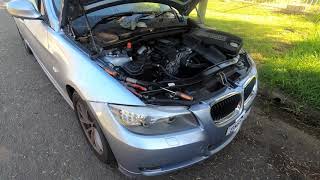
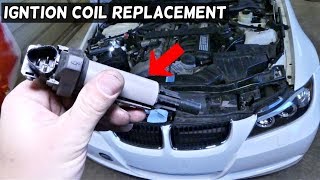
Yes, absolutely. This is one of the easiest repairs you can do on a BMW 320i. The coils are located directly on top of the engine under a plastic cover. The process involves removing the cover, unplugging a connector, and pulling the old coil out. No special tools are required, and the entire job for all four coils can be done in under 30 minutes.
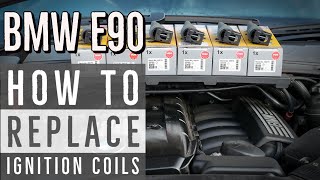
🎬 Watch: A quick guide to replacing your E90 ignition coils.Should I replace just the one bad coil or all four?
You should replace all four coils at once. Ignition coils wear out at a similar rate. If one has failed, the others are likely near the end of their service life. Replacing them all at once prevents future misfires and ensures the ignition system is balanced.
Do I need to replace my spark plugs at the same time?
It's a great idea to replace the spark plugs while you're replacing the coils. You'll already have access to them, and old spark plugs can put extra strain on new coils, causing them to fail prematurely. Check your vehicle's service interval for spark plugs, but if they haven't been changed in over 50,000 miles, you should replace them.
🎬 See this walkthrough for changing both your coils and plugs.What happens if I don't replace a bad ignition coil?
Continuing to drive with a bad coil will lead to poor engine performance, terrible fuel economy, and a frustrating driving experience. More seriously, it can cause expensive damage to your catalytic converter from unburned fuel, turning a simple repair into a very costly one.
Helpful Videos

Technical Specifications
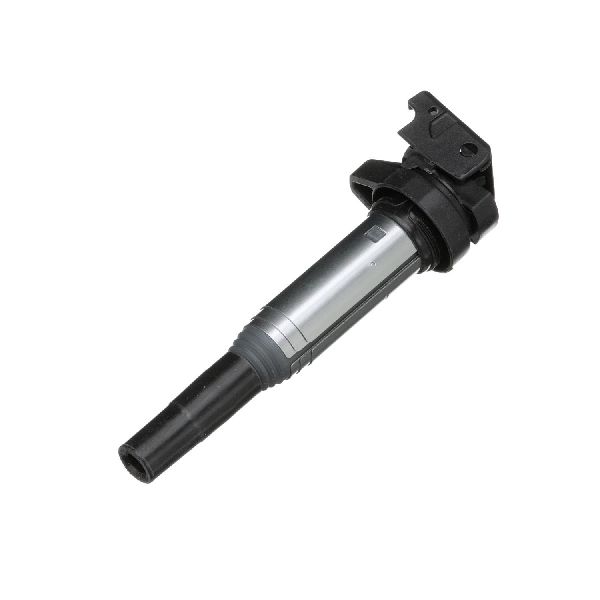
OEM Part Numbers: 12138616153 12137594937 12131712219 0221504470
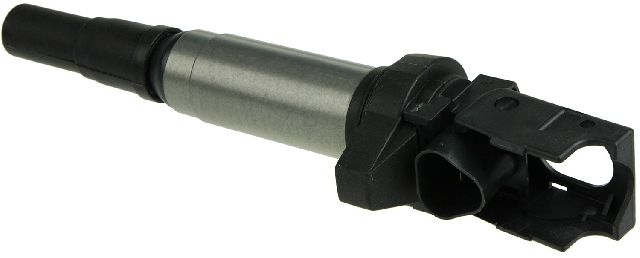
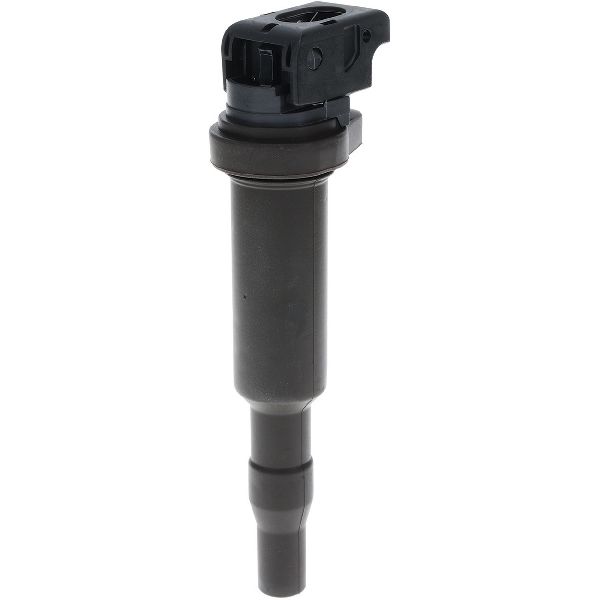
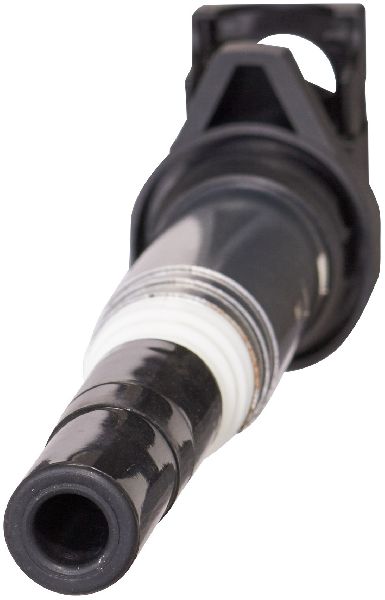
This vehicle uses four individual 'pencil' style coil-on-plug ignition coils.
We Have This Part in Stock


The information in this article is provided for general reference and educational purposes only. Vehicle specifications, procedures, and part compatibility can vary by production date, trim level, and region. Always consult your vehicle's factory service manual and verify part numbers before purchasing or performing repairs. Safety-critical components such as airbags, seat belts, and braking systems should be installed by a qualified professional.
- BMW 320i: