

Ford Explorer Engine Coolant Temperature Sensor Guide (2005-2011)
A complete guide to diagnosing and replacing the engine coolant temperature sensor on your 2005-2011 Ford Explorer.
- Symptoms of a bad ECT sensor include poor MPG, overheating, and a check engine light with codes P0117 or P0118.
- For best reliability on a Ford Explorer, using the OEM Motorcraft brand sensor is highly recommended by owners and mechanics.
- This is an easy and inexpensive DIY repair that can be completed in under an hour with basic tools.
- Ignoring the issue can lead to more expensive repairs, including damage to the catalytic converter or the engine itself from overheating.
Is Your Explorer's Engine Acting Up? It Could Be This Small Sensor.


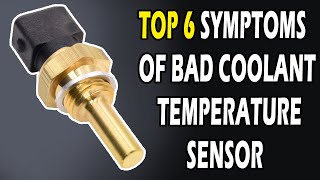
If you're experiencing issues like poor fuel economy, an erratic temperature gauge, or a check engine light, a faulty Engine Coolant Temperature (ECT) sensor might be the culprit. This sensor plays a key role in how your 4.0L V6 or 4.6L V8 engine performs. When it fails, it sends incorrect information to the engine's computer, leading to a variety of noticeable problems. 🎬 Watch: 6 common signs of a bad coolant sensor This guide will walk you through the symptoms, how to choose the right replacement part, and what to expect during the repair.
Symptoms of a Failing ECT Sensor
A bad ECT sensor can make your Explorer's computer think the engine is always cold or always hot, regardless of its actual temperature. This confusion can cause several issues:
- Check Engine Light: This is often the first sign. The computer will log a fault code, such as P0117 or P0118, and illuminate the light on your dash.
- Poor Fuel Economy: If the sensor incorrectly tells the computer the engine is cold, the computer will enrich the fuel mixture, causing you to use more gas than necessary.
- Engine Overheating or Running Too Cool: A faulty sensor may not trigger the cooling fans when needed, leading to overheating. Conversely, a false 'hot' signal can cause fans to run constantly.
- Black Smoke from Exhaust: A consistently rich fuel mixture from a false 'cold' reading can result in unburned fuel exiting the exhaust as black smoke.
- Hard Starting: The engine may be difficult to start, especially when cold, because the computer isn't providing the correct fuel mixture for starting.
Recalls and Technical Service Bulletins (TSBs)
As of early 2026, there are no specific recalls or widespread Technical Service Bulletins (TSBs) from the NHTSA for the engine coolant temperature sensor on the 2005-2011 Ford Explorer. Always check for the latest information using your vehicle's VIN.
Choosing the Right Aftermarket Sensor
When it comes to electronic sensors on Ford vehicles, the choice between OEM and aftermarket is important. Many experienced mechanics and owners strongly recommend using the original equipment (OEM) brand, Motorcraft, for best results.
- Tier 1 (OEM & Premium): Motorcraft is Ford's own brand and is the benchmark for quality and reliability. It's designed to match the original part's performance perfectly. Brands like Delphi and NGK are also well-regarded premium aftermarket suppliers that often manufacture parts for automakers.
- Tier 2 (Quality Aftermarket): Brands like Standard Ignition (SMP), Hella, and Walker Products offer a good balance of price and quality. They are generally reliable and a solid choice if an OEM part isn't available or is outside your budget.
- Tier 3 (Economy): This category includes many other brands available at lower price points. While tempting, some forum discussions mention that lower-cost sensors can have a higher failure rate, potentially causing you to do the job twice. For a critical sensor like the ECT, it's often worth spending a little more for a part from a higher tier.
Pro Tip: Where is the ECT Sensor Located?
The location depends on your engine. On the 4.0L V6, the ECT sensor is typically found on the thermostat housing, which is at the front of the engine where the upper radiator hose connects. On the 4.6L V8, it is usually threaded into the cylinder head or intake manifold. A quick visual inspection or consulting a repair manual for your specific year and engine will confirm its exact position.
Estimated Replacement Costs
The cost to replace the ECT sensor is reasonable, especially if you do it yourself. The part itself is not expensive.
| Item | Estimated Cost |
|---|---|
| New OEM (Motorcraft) Sensor | $25 - $50 |
| New Aftermarket Sensor | $12 - $102 |
| Shop Labor | $60 - $120 |
| Total Professional Replacement | $85 - $220 |
Note: Costs are estimates and can vary based on your location and the specific parts chosen. The high labor estimates found on some repair sites (upwards of $300+) are not typical for this specific, straightforward repair.
Frequently Asked Questions
Can I replace the ECT sensor myself?
Yes, this is a very DIY-friendly repair for most home mechanics. It typically requires basic hand tools, like a deep socket and ratchet. The main challenge is accessing the sensor and being quick to swap the new one in to minimize coolant loss. The job usually takes less than an hour.
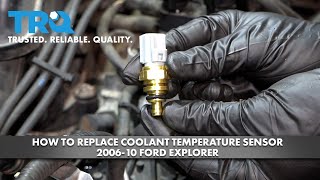
🎬 Watch this step-by-step 2006-2010 Explorer sensor replacement guideHow many coolant temperature sensors does a 2005-2011 Explorer have?
Your Explorer has one primary Engine Coolant Temperature (ECT) sensor that provides information to the engine computer. Some vehicles have a separate sensor or switch just for the temperature gauge on the dashboard, but for the engine management functions described here, there is one main sensor.
What happens if I don't replace a bad ECT sensor?
Ignoring a bad ECT sensor can lead to more significant problems. Persistently poor fuel economy will cost you money. A rich fuel mixture can foul your spark plugs and catalytic converter over time. Most critically, if the sensor fails to detect an overheating condition, you risk severe engine damage.
Will replacing the sensor fix my P0117 or P0118 code?
In most cases, yes. These codes point directly to a problem with the ECT sensor's circuit. If the sensor itself has failed, a replacement will resolve the issue. However, if the code returns, it could indicate a problem with the wiring or connector, which should be inspected for damage or corrosion.
🎬 See how to test and replace sensors for P0117 codesHelpful Videos
Technical Specifications
OEM Part Numbers: 3F1Z-12A648-A DY1144
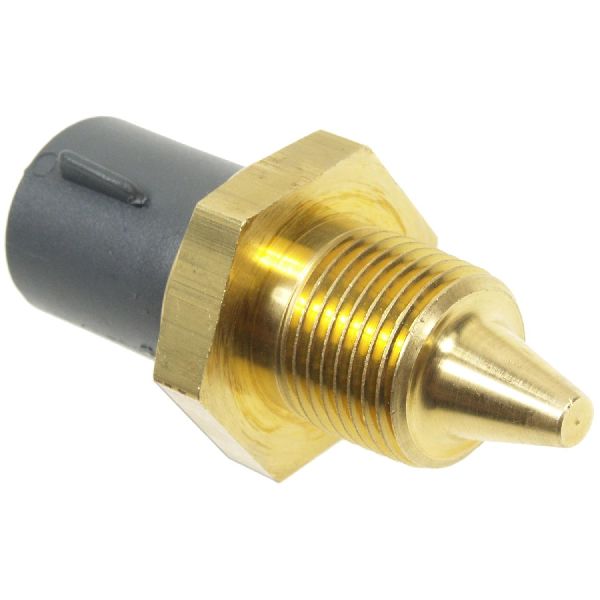
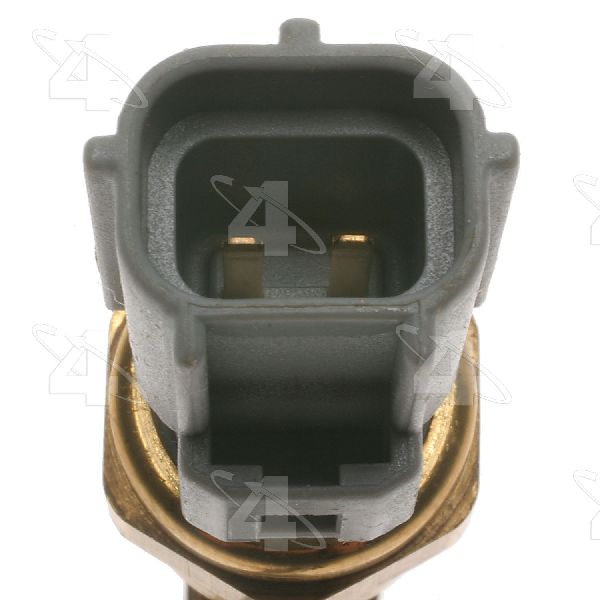
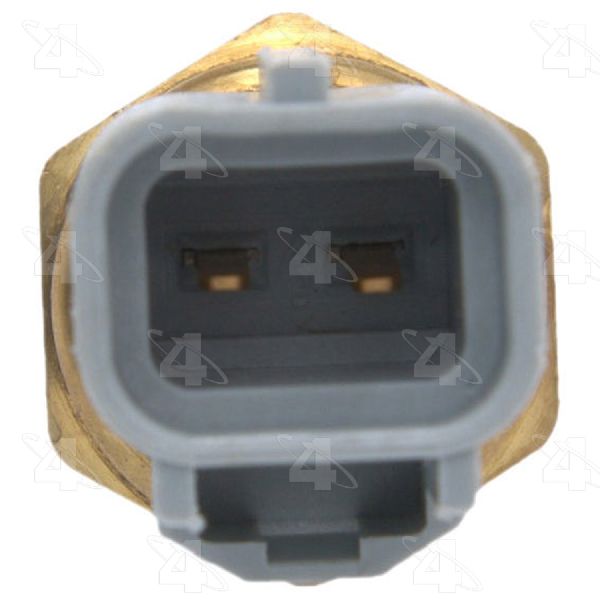
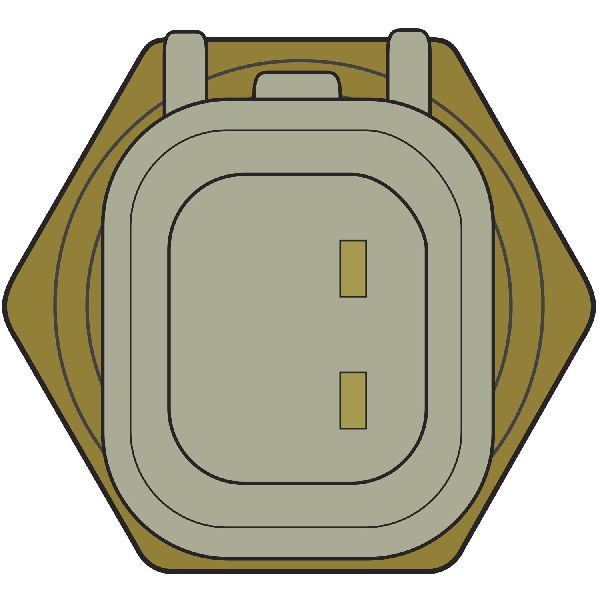
Typically a 2-pin, brass or composite body sensor, threaded for installation into a coolant passage.
We Have This Part in Stock


The information in this article is provided for general reference and educational purposes only. Vehicle specifications, procedures, and part compatibility can vary by production date, trim level, and region. Always consult your vehicle's factory service manual and verify part numbers before purchasing or performing repairs. Safety-critical components such as airbags, seat belts, and braking systems should be installed by a qualified professional.
- Ford Explorer: