

A Guide to Replacing the Starter on Your 2005-2010 Hyundai Tucson
If your Tucson won't start, the starter is a likely suspect. Here's what you need to know before you buy a replacement.
- A single 'click' when turning the key is a classic symptom of a bad starter.
- Always test your battery first, as its symptoms can mimic a failing starter.
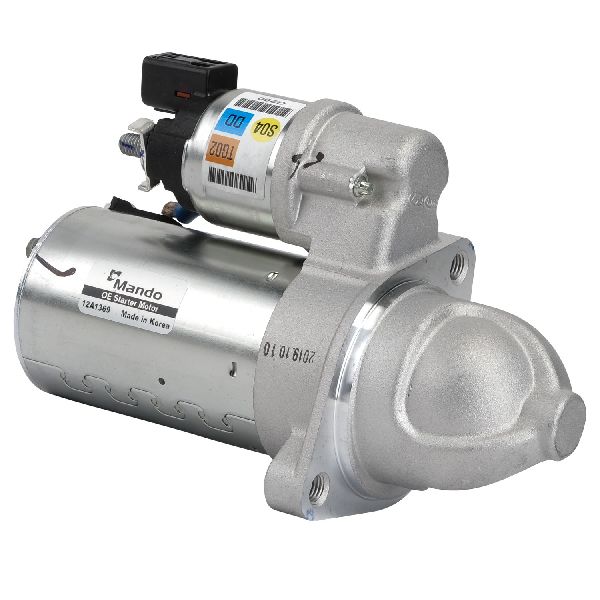
- Mando and Valeo are OEM suppliers for Hyundai, making their new aftermarket starters a top-quality choice for fit and reliability.
- Replacing the starter is a manageable DIY job for those with some experience, but access can be tight.
Is Your Tucson's Starter Failing?

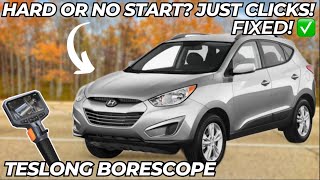
A failing starter rarely dies without warning. Usually, it gives a few signs that it's on its way out. The most common symptom is a distinct 'click' when you turn the key, followed by silence. This happens when the starter solenoid engages but the motor itself fails to turn. Other signs include a slow, sluggish crank, intermittent starting issues where it works one day and not the next, or a grinding noise during startup. In some cases, you may see smoke or smell burning, which indicates a serious electrical problem with the starter that needs immediate attention.
First, Check Your Battery
Many starter problems are actually battery problems in disguise. A weak or dead battery can't provide the power the starter needs, leading to a slow crank or a clicking sound. Before you replace your starter, make sure your battery is fully charged and the terminals are clean and tight.
Choosing the Right Aftermarket Starter

When replacing the starter on your 2005-2010 Tucson, you'll find many aftermarket options. Quality can vary, but several brands are known for producing reliable parts that meet or exceed original equipment (OE) specifications.
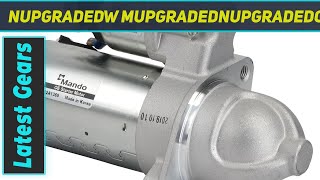
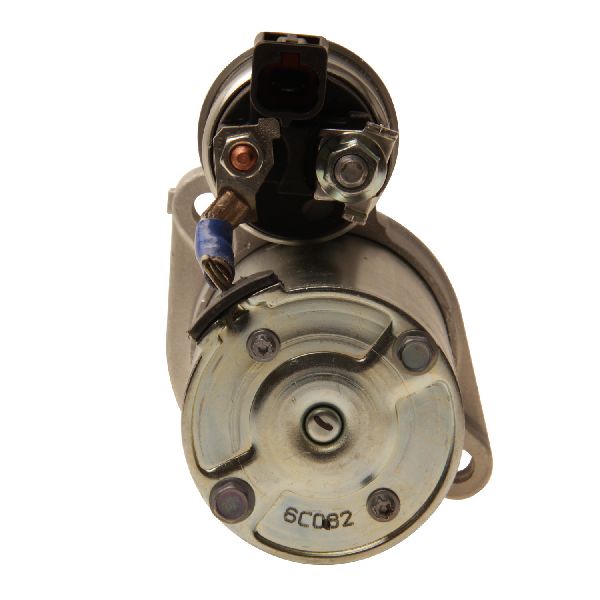
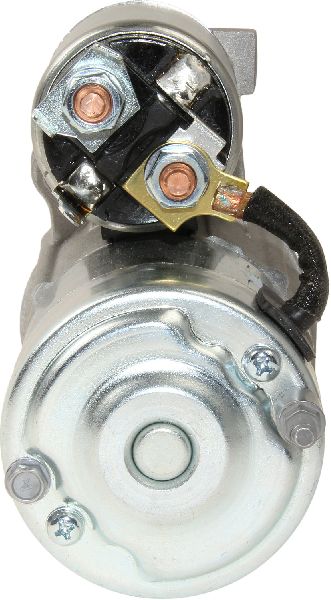
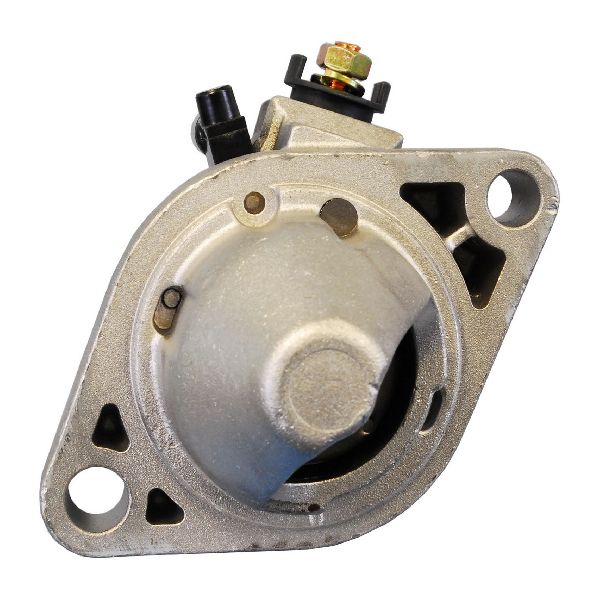
- Premium Brands (OEM Quality): Mando and Valeo are original equipment suppliers for Hyundai. Choosing a new starter from one of these brands is the closest you can get to buying a part from the dealer, ensuring excellent fit and performance. 🎬 Check out a quick review of the Mando OEM starter. Bosch and Denso are also top-tier manufacturers known for their high-quality electrical components and are considered a strong choice.
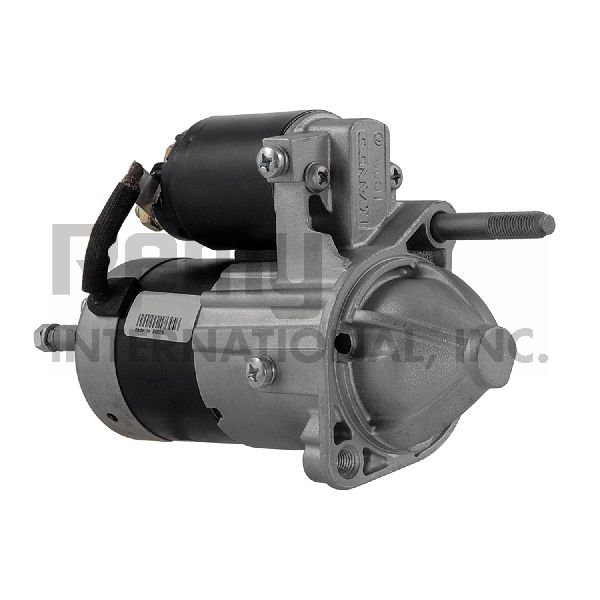
- Reliable Alternatives: Brands like WAI Global and Remy offer a good balance of quality and value. They produce new starters that are engineered to match OE specifications and are a dependable choice for most owners.
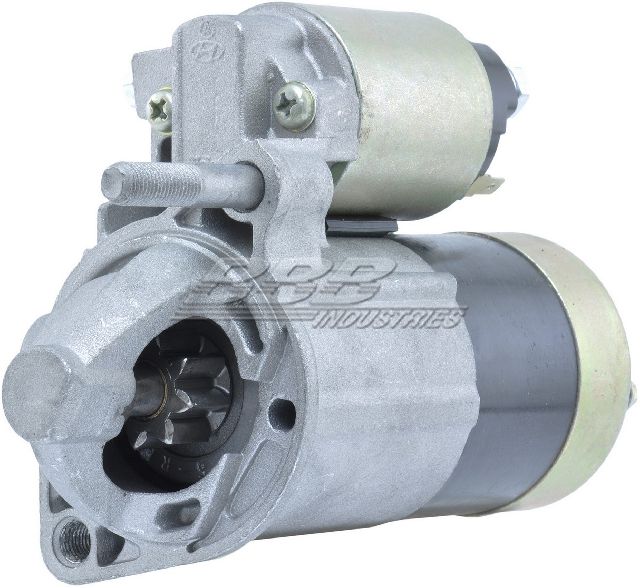
- Remanufactured Options: Some brands, like BBB Industries, specialize in remanufactured starters. These can be a cost-effective option, but quality depends on the rebuilder's process. They typically replace common wear items like brushes and bushings.
New vs. Remanufactured
A 'new' aftermarket starter is built from all-new components. A 'remanufactured' starter is an original starter that has been rebuilt with new and inspected used parts. For this part, new units from brands like Mando or Valeo offer the best peace of mind and often don't require a 'core charge' (a deposit you pay until you return your old part).
Cost of Replacing a Hyundai Tucson Starter

The cost can be broken down into parts and labor. You can save significantly by doing the job yourself.
| Item | Estimated Cost |
|---|---|
| New Aftermarket Starter | $96 - $212 |
| New OEM Starter | $274 - $343 |
| Shop Labor | $129 - $189 |
| Total Professional Replacement | $402 - $532 |
Frequently Asked Questions

Can I replace the starter on my 2005-2010 Tucson myself?
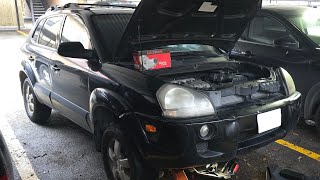
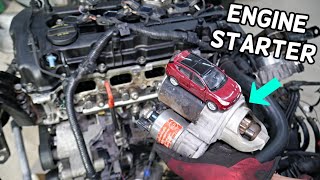
Yes, it is a feasible DIY job for someone with moderate mechanical experience. 🎬 Watch this step-by-step guide on replacing your Tucson's starter. Access can be tight, and on some models, it may require removing the intake manifold or working around exhaust components. 🎬 See exactly where the starter is located on your engine. You will need a good socket set with extensions and possibly a universal joint. Always disconnect the battery's negative terminal before starting.
Are there any recalls or TSBs for the starter on this Tucson?
Our search found no specific recalls or Technical Service Bulletins (TSBs) from Hyundai or the NHTSA directly related to starter motor failure for the 2005-2010 Tucson. There was a recall involving a stop lamp switch that could affect starting, but not the starter motor itself.
What's the difference between the starter for the 4-cylinder and V6 engines?
The 2.0L 4-cylinder and 2.7L V6 engines used in the 2005-2010 Tucson may use different starter motors. It is critical to order the part that is specific to your vehicle's engine. Always verify fitment using your vehicle's year, make, model, and engine size before purchasing.
How long should a new starter last?
A quality new starter from a reputable brand should last for many years, often 80,000 to 100,000 miles or more, under normal driving conditions. Longevity can be affected by factors like extreme temperatures and the condition of your vehicle's battery and electrical system.
Helpful Videos
Technical Specifications
OEM Part Numbers: 36100-23170 36100-37210 36100-23160 36100-23161
The starter for the 2005-2010 Hyundai Tucson is typically a 12-Volt, Permanent Magnet Gear Reduction (PMGR) type. Power output and gear tooth count vary between the 2.0L 4-cylinder and 2.7L V6 engine options. It is secured to the transmission bellhousing with two 14mm bolts.
We Have This Part in Stock

The information in this article is provided for general reference and educational purposes only. Vehicle specifications, procedures, and part compatibility can vary by production date, trim level, and region. Always consult your vehicle's factory service manual and verify part numbers before purchasing or performing repairs. Safety-critical components such as airbags, seat belts, and braking systems should be installed by a qualified professional.
- Hyundai Tucson: