

A Guide to Spark Plug Replacement for the 2005-2010 Hyundai Tucson
Keep your Tucson's engine running smoothly with the right set of new aftermarket spark plugs.
- For the 2.7L V6, always use long-life Iridium spark plugs to maximize the time between the difficult replacement job.
- When replacing the rear plugs on the V6, you must also replace the intake manifold gaskets to prevent future vacuum leaks.
- Always check that the spark plug gap is between 1.0-1.1 mm (0.039-0.043 in) before installation.
- A flashing check engine light indicates a severe misfire that can quickly damage your expensive catalytic converter; address it immediately.
Signs of Failing Spark Plugs in Your Tucson

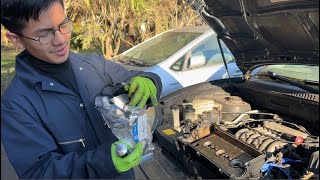
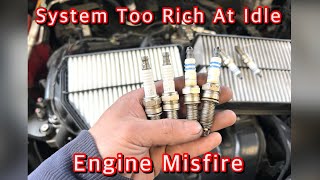
Worn-out spark plugs can make your Tucson feel 'off'. You might notice 🎬 Watch: A visual guide to common bad spark plug symptoms one or more of these common symptoms. Ignoring them can lead to worse fuel economy and potentially damage more expensive parts, like the catalytic converter.
- Rough Idle: Your engine may shake or sound uneven when you're stopped at a light.
- Poor Acceleration: The vehicle may feel sluggish or slow to respond when you press the gas pedal.
- Engine Misfires: You might feel a jerking or stumbling from the engine, especially under load. This can cause the Check Engine Light to flash, which signals a potentially damaging misfire.
- Reduced Fuel Economy: If you're filling up your gas tank more often than usual, failing plugs could be the cause due to inefficient fuel combustion.
- Difficulty Starting: A weak spark can make it harder for the engine to turn over, particularly in cold weather.
- Check Engine Light: A steady Check Engine Light is often triggered by misfire codes like P0300, P0301, P0302, etc., which point directly to an ignition problem.
Choosing the Right Aftermarket Spark Plugs

When shopping for new spark plugs, you'll find several types and brands. For the 2005-2010 Tucson, the original equipment (OEM) manufacturers were typically NGK and Champion, making them a very safe aftermarket choice.
Engine-Specific Advice
Your Tucson has one of two engines, and the choice of spark plug matters.
- 2.0L 4-Cylinder: This engine is easy to service. Standard platinum plugs are a great balance of cost and performance.
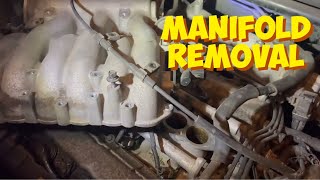
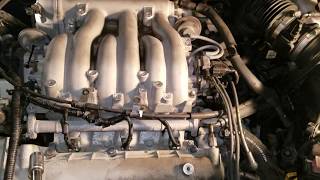
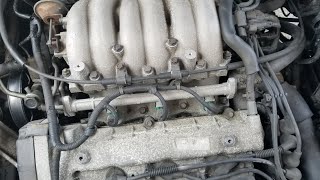
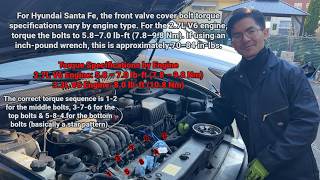
- 2.7L V6: This engine is much more difficult. The three spark plugs at the rear of the engine are hidden under the upper intake manifold. 🎬 See how to remove the V6 intake manifold for access Because of the high labor involved, it is strongly recommended to use high-endurance Iridium spark plugs. This extends the time until you have to do the job again. It is also critical to replace the intake manifold gaskets at the same time to prevent vacuum leaks.
Brand & Material Tiers
Not all spark plugs are created equal. They are generally priced based on the material of their electrode, which affects performance and lifespan.
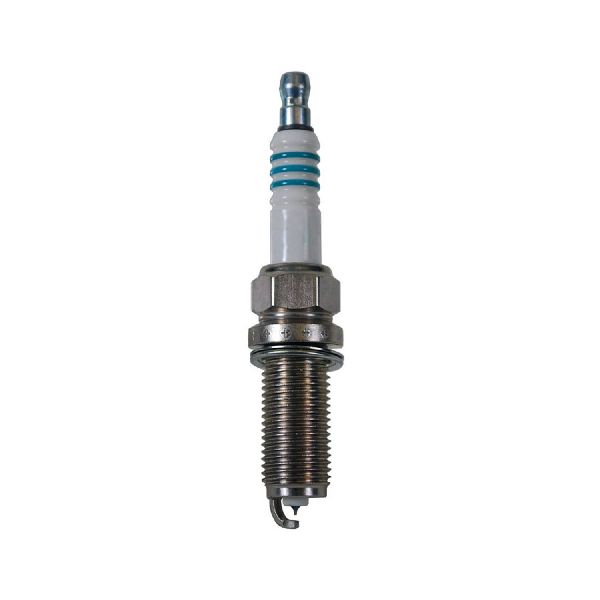
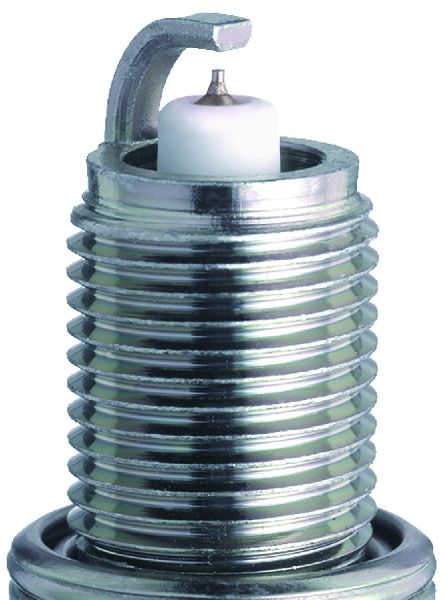
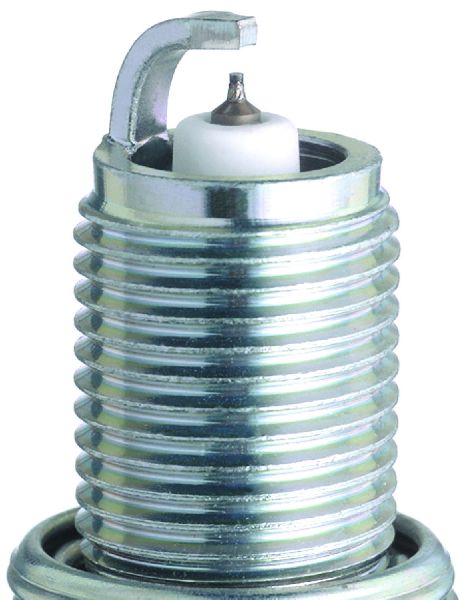
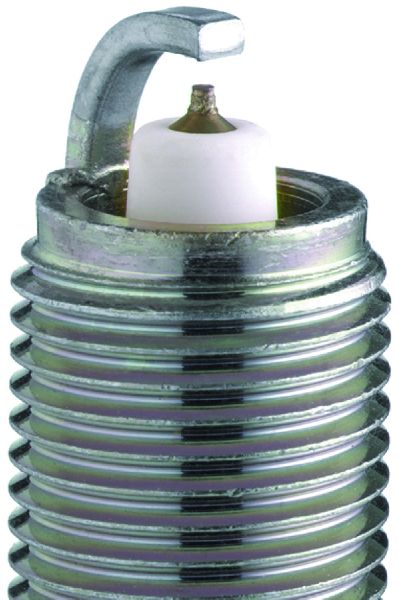
- OEM-Grade (Iridium): Brands like NGK and Denso are top-tier choices and often supplied the original parts. Their iridium plugs offer the longest life (up to 100,000 miles) and most consistent performance, making them ideal for the hard-to-service V6 engine.
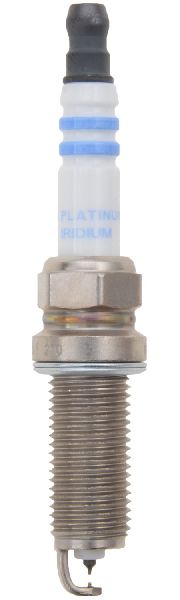
- Quality Aftermarket (Platinum): Bosch Double Platinum plugs are a solid mid-range option. They offer a longer lifespan than basic plugs and provide excellent, reliable performance for any engine.
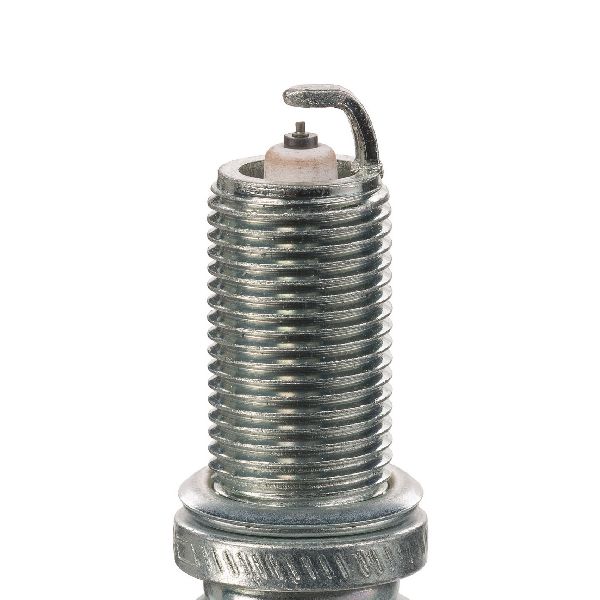
- Standard Replacement (Copper/Nickel): Brands like Autolite and Champion offer affordable copper or nickel plugs. These are perfectly adequate but have the shortest lifespan and will need to be replaced more frequently, typically every 30,000 miles.
Aftermarket Spark Plug Cost
| Tier | Material | Typical Price (per plug) | Best For |
|---|---|---|---|
| Standard | Copper/Nickel | $3 - $8 | Budget-conscious repairs, 2.0L engine |
| Quality | Platinum / Double Platinum | $8 - $18 | A good balance of longevity and price |
| OEM-Grade | Iridium | $15 - $33 | Maximum lifespan and performance, essential for the 2.7L V6 |
Common Ordering Mistake: Spark Plug Gap
The spark plug gap for both the 2.0L and 2.7L engines is 1.0-1.1 mm (0.039-0.043 in). While most modern plugs come pre-gapped, shipping can sometimes alter it. Always verify the gap with a feeler gauge before installation and adjust if necessary. An incorrect gap can cause misfires and poor performance.
Frequently Asked Questions (FAQ)

How often should I change my Tucson's spark plugs?
It depends on the type. Standard copper plugs should be changed every 30,000 miles. Platinum plugs can last 60,000 miles, and Iridium plugs can last up to 100,000 miles. For the V6, using Iridium plugs is highly recommended to extend the difficult replacement interval.
Is it hard to replace the spark plugs myself?
On the 2.0L 4-cylinder engine, it is a relatively easy job (Difficulty: 2/5). On the 2.7L V6, it is significantly harder (Difficulty: 4/5) because the upper intake manifold must be removed to access the three rear plugs. This is a job best left for an experienced DIYer.
What happens if I find oil on my old spark plugs?
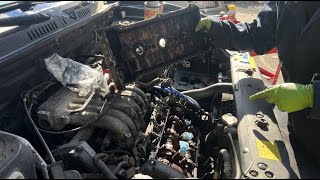
Oil in the spark plug tubes means your valve cover gasket and spark plug tube seals are leaking. 🎬 Watch: How to replace leaking valve cover and tube seals These are rubber seals that get hard and brittle over time. You must replace these gaskets to stop the leak, as oil can destroy the new spark plugs and ignition coil boots.
Are there any recalls for spark plugs on the 2005-2010 Tucson?
No, there are no specific recalls or widespread issues related to spark plugs for this generation of Hyundai Tucson. Searches of the NHTSA database did not show any actions for this component on these model years.
Helpful Videos
Technical Specifications
OEM Part Numbers: 27410-23700 18817-11051 27410-37100
Spark Plug Gap: 1.0-1.1 mm (0.039-0.043 in). Torque: 15-22 lb-ft.
We Have This Part in Stock

The information in this article is provided for general reference and educational purposes only. Vehicle specifications, procedures, and part compatibility can vary by production date, trim level, and region. Always consult your vehicle's factory service manual and verify part numbers before purchasing or performing repairs. Safety-critical components such as airbags, seat belts, and braking systems should be installed by a qualified professional.
- Hyundai Tucson: