

2005-2010 Ford F-150 Transmission Range Sensor Problems and Replacement
If your F-150 won't start in Park or is shifting erratically, the transmission range sensor could be the culprit.
- A no-crank, no-start condition is the number one symptom of a failed Transmission Range Sensor on this F-150.
- Before buying a new sensor, always inspect the shifter cable and its plastic bushing for excessive play.
- Proper alignment of the new sensor with the transmission in Neutral is absolutely required for the truck to start and shift correctly.
- An aftermarket Dorman sensor is a widely available and cost-effective alternative to the more expensive OEM Motorcraft part.
Is it a Neutral Safety Switch or a Transmission Range Sensor?

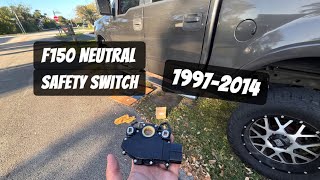
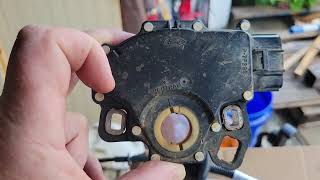
For the 2005-2010 Ford F-150, these names refer to the same part. Mechanics and parts stores typically call it the Transmission Range Sensor (TRS), as it combines the neutral safety function, gear position indicator, and reverse light switch into a single unit mounted on the exterior of the transmission.
Common Symptoms of a Failing Transmission Range Sensor

When the TRS on your F-150 begins to fail, it can cause several distinct and frustrating problems. Because the sensor is exposed to the elements on the side of the transmission, it's susceptible to wear and corrosion over time. Here are the most common signs of failure:
- No-Crank, No-Start: This is the most frequent symptom. You'll turn the key, all the dashboard lights and radio will come on, but the engine will not crank.
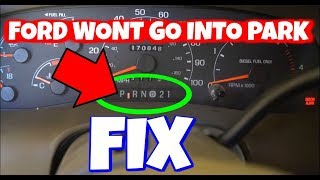
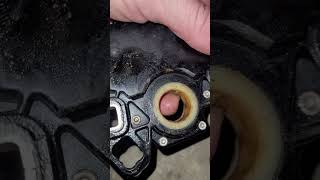
- Starts in Neutral, But Not in Park: You may find the truck starts perfectly fine when the shifter is in Neutral, but refuses to start in Park. 🎬 See how to fix a truck that won't start in Park. This points directly to a bad or misaligned sensor.
- Harsh or Erratic Shifting: The transmission may slam into gear, hesitate, or shift at the wrong times. A "Trans Fault" warning may appear on your dash.
- Incorrect Gear Display: The gear indicator (PRNDL) on your dash might be blank, show the wrong gear, or not update when you move the shifter.
- No Reverse Lights: When you shift into Reverse, the backup lights do not turn on.
- Check Engine Light: A failing TRS will often trigger a Check Engine Light with codes like P0705, P0706, P0707, or P0708. 🎬 Watch a diagnostic walkthrough for these transmission trouble codes.
Check Shifter Linkage First
Before replacing the sensor, check the shifter cable and its connection at the transmission. A stretched cable or a worn plastic bushing where it connects to the transmission lever can cause slack, preventing the sensor from reading the correct gear. Sometimes, simply adjusting the linkage or replacing a cheap bushing can fix the issue.
Choosing a New Aftermarket Transmission Range Sensor

When shopping for a replacement, you will find options from the original manufacturer (Motorcraft) and aftermarket brands like Dorman. For the 2005-2010 F-150, the external range sensor is a common replacement part.
- OEM (Motorcraft): Generally considered the highest quality option. Mechanics often prefer the guaranteed fit and material quality of an OEM part. However, it is the most expensive choice.
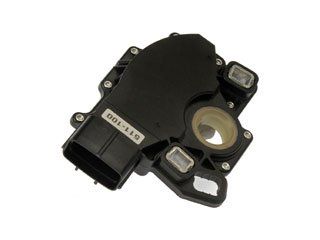
- Aftermarket (Dorman): Brands like Dorman offer a cost-effective solution. The Dorman 511-100 is designed as a direct replacement for the original sensor on these trucks. For a part like this, a quality aftermarket sensor is a reliable choice that can save you money without sacrificing function.
Installation and Alignment are Key
Replacing the sensor is a straightforward job, but alignment is critical. The new sensor must be installed and rotated to the correct position while the transmission is in Neutral. There are alignment marks on the sensor to guide you. If it's not aligned perfectly, your truck will not start in Park, and you'll have the same symptoms as before.
Cost of Replacing the Transmission Range Sensor
The total cost will depend on whether you do the job yourself or take it to a repair shop.
| Part Type | Estimated Cost |
|---|---|
| New Aftermarket (Dorman) | $60.46 |
| New OEM (Motorcraft) | $70 - $115 |
| Shop Labor | $95 - $200 |
| Total (Shop Repair) | $155 - $315 |
Frequently Asked Questions (FAQ)

Can I drive my F-150 with a bad transmission range sensor?
It is not recommended. If the truck won't start, you won't be able to drive at all. If it is shifting harshly or unpredictably, you risk causing further, more expensive damage to your transmission. It can also be a safety hazard if the gear indicator is wrong or the truck enters a "limp mode".
Where is the transmission range sensor located on a 2005-2010 F-150?
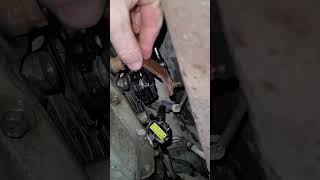
For trucks with the 4-speed 4R70E/4R75E automatic transmission, the sensor is located on the driver's side of the transmission, where the shift lever cable attaches. It is bolted to the outside of the case, making it accessible without removing the transmission pan.
🎬 Watch this step-by-step guide to replacing the sensor yourself.What tools are needed to replace the TRS?
You will typically need basic hand tools, including sockets (specifically 8mm and 15mm), a ratchet, and a flathead screwdriver to pry the linkage off. You will also need a jack and jack stands to safely lift the vehicle for access.
I replaced the sensor, but my truck still won't start in Park. What's wrong?
The most likely cause is incorrect alignment of the new sensor. You must loosen the mounting bolts and slightly rotate the sensor until the alignment marks line up perfectly while the transmission is in Neutral. If alignment is correct, double-check the electrical connection. If the problem persists, the issue may be with the shifter cable, ignition switch, or wiring.
Helpful Videos
Technical Specifications
OEM Part Numbers: F7LZ-7F293-AA F7LP-7F293-AA F7TZ-7F293-AA
This is an external sensor mounted on the driver's side of the 4R75E 4-speed automatic transmission case.
We Have This Part in Stock

The information in this article is provided for general reference and educational purposes only. Vehicle specifications, procedures, and part compatibility can vary by production date, trim level, and region. Always consult your vehicle's factory service manual and verify part numbers before purchasing or performing repairs. Safety-critical components such as airbags, seat belts, and braking systems should be installed by a qualified professional.
- Ford F-150: