

Chrysler 300 Transmission Input Speed Sensor Guide (2005-2010)
Experiencing harsh shifting or limp mode? Your transmission input speed sensor may be the culprit.
- First, you MUST identify if your Chrysler 300 has the 4-speed 42RLE or 5-speed NAG1 transmission, as the repair is vastly different.
- For NAG1 (V8) models, the sensor is part of the internal conductor plate, a complex and labor-intensive repair.
- For 42RLE (V6) models, the sensor is an easy-to-access, externally mounted part.
- Common symptoms include the transmission being stuck in limp mode, harsh shifting, and a P0715 check engine code.
Is It the 4-Speed or 5-Speed Transmission?

Before buying any parts, you must identify which automatic transmission is in your 2005-2010 Chrysler 300. The repair process is completely different for each one.
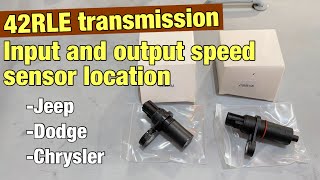
- 42RLE (4-Speed): Typically found in V6 models (2.7L and 3.5L). On this transmission, the input speed sensor is a simple, individual sensor that bolts onto the outside of the transmission case. The replacement is straightforward. 🎬 Watch this quick guide to locate and swap 42RLE sensors.
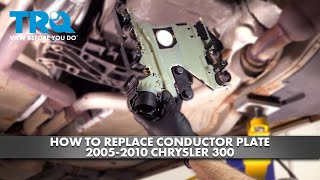
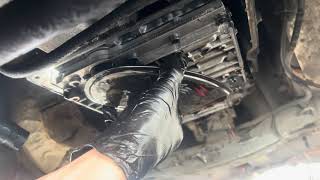
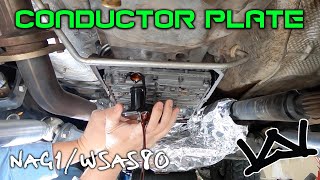
- NAG1 / W5A580 (5-Speed): Typically found in V8 models (5.7L HEMI, 6.1L SRT8) and some 3.5L V6 models. On this transmission, the input and output speed sensors are built into a larger part called the conductor plate. This plate sits inside the transmission on top of the valve body. Replacing it is a much more complex job that involves draining the fluid, removing the transmission pan, and taking out the valve body.
Always verify your vehicle's specific transmission before ordering parts.
Symptoms of a Failing Input Speed Sensor

A bad input speed sensor will cause noticeable problems with how your car drives. The most common sign is the transmission entering a "limp mode," where it gets stuck in one gear (usually second) to prevent further damage.
- Harsh or Erratic Shifting: Gears may slam, or the transmission might shift at the wrong times.
- Limp Mode: The transmission may refuse to shift, forcing you to drive at a low speed.
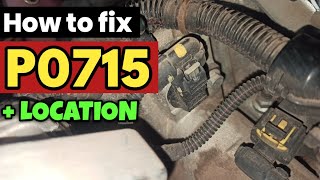
- Check Engine Light: A fault will trigger the check engine light and store a trouble code. The most common code for this issue is P0715 (Input/Turbine Speed Sensor Circuit Malfunction). 🎬 See how to diagnose and fix the P0715 trouble code.
- Cruise Control Inoperable: The cruise control system relies on speed sensor data and may stop working if the signal is lost.
Pro Tip: Check for Software Updates First. Before replacing hardware, ask a dealer or qualified shop to check for any Technical Service Bulletins (TSBs) related to your vehicle's VIN. Sometimes, shifting problems can be fixed with a simple software update to the Powertrain Control Module (PCM) or Transmission Control Module (TCM).
Choosing the Right Aftermarket Part

When it comes to sensors, quality matters, especially for the NAG1 transmission where labor is intensive. You don't want to do the job twice.
Brand Tiers:
- Top-Tier Aftermarket (e.g., NGK/NTK): NGK's sensor brand, NTK, is a well-respected manufacturer that often supplies original parts to automakers. For a critical sensor, especially the conductor plate on a NAG1 transmission, choosing a brand with a reputation for OE-level quality is a smart investment for reliability.
- Standard Aftermarket (e.g., Standard Ignition): Standard Motor Products (SMP) is a long-standing brand that offers reliable replacement parts. Many owners have used their sensors with good results, making them a solid choice for a standard repair, particularly on the easier 42RLE transmission.
For a 42RLE transmission, a quality aftermarket sensor from either brand is a cost-effective repair. For a NAG1 transmission, investing in a high-quality conductor plate from a brand like NTK is highly recommended to ensure a long-lasting fix due to the higher labor cost and complexity.
Cost of Replacing the Input Speed Sensor

| Part / Service | Estimated Cost |
|---|---|
| New Aftermarket Sensor / Conductor Plate | $37 - $170 |
| New OEM (Mopar) Sensor / Conductor Plate | $60 - $250 |
| Shop Labor | $100 - $450 |
| Total Estimated Cost | $137 - $700 |
Frequently Asked Questions
Can I drive my Chrysler 300 with a bad input speed sensor?
It is not recommended. If the transmission enters limp mode, your speed will be severely limited, which can be unsafe in traffic. Driving with harsh shifting can also cause additional wear on internal transmission components. You should get the vehicle serviced as soon as possible.
Is this a DIY-friendly repair?
It depends on your transmission. For the 42RLE (4-speed), yes. The sensor is on the outside of the case and is held in by a single bolt, making it an easy swap for a DIY mechanic. For the NAG1 (5-speed), no. This repair is complex, requiring removal of the valve body from inside the transmission. It should be left to an experienced mechanic.
🎬 Watch a professional walk through the complex NAG1 conductor plate replacement.Do I need to replace the output speed sensor at the same time?
On the 42RLE transmission, the sensors are separate. It is not required, but since they are the same age and located near each other, some owners choose to replace both as preventative maintenance. On the NAG1 transmission, both sensors are integrated into the new conductor plate, so they are replaced together automatically.
Are there any recalls for this specific problem?
While Chrysler has issued recalls for transmission-related issues on the 300, there are no specific recalls for the failure of the input speed sensor or conductor plate on the 2005-2010 models. Always check for recalls using your vehicle's VIN on the NHTSA website.
Helpful Videos

Technical Specifications
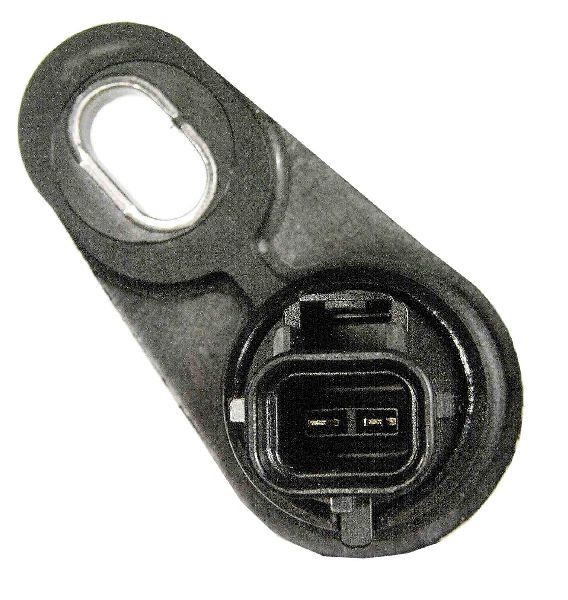
OEM Part Numbers: 52854001AA
For 42RLE transmissions, the part is an external magnetic pickup sensor. For NAG1 transmissions, the sensors are integrated into the transmission conductor plate located inside the transmission.
We Have This Part in Stock


The information in this article is provided for general reference and educational purposes only. Vehicle specifications, procedures, and part compatibility can vary by production date, trim level, and region. Always consult your vehicle's factory service manual and verify part numbers before purchasing or performing repairs. Safety-critical components such as airbags, seat belts, and braking systems should be installed by a qualified professional.
- Chrysler 300: