

A Guide to the 2005-2010 Chevrolet Cobalt Engine Crankshaft Position Sensor
Solving your Cobalt's stalling, hard starting, or no-start condition begins with understanding this critical sensor.
- First, rule out the common ignition switch recall, which causes similar engine-stalling symptoms.
- A failing sensor often causes a no-start, stalling, or rough running, and will trigger a P0335 code.
- Replacement is difficult as the sensor is behind the starter motor; using a high-quality brand like ACDelco or Delphi is highly recommended to avoid repeat labor.
- A 'crank relearn' procedure with a scan tool is recommended after replacement for best performance.
Is It Your Crankshaft Sensor or Something Else?

Before you replace the crankshaft position sensor on your 2005-2010 Cobalt, it's important to be aware of a major safety recall that can cause similar symptoms. Many of these cars were recalled for a faulty ignition switch.
Warning: Check for the Ignition Switch Recall First
A faulty ignition switch can move out of the 'run' position while driving, causing the engine to shut off suddenly and disable the airbags. This can feel exactly like a failed crankshaft sensor. Before spending money on a new sensor, check with a Chevrolet dealer or use your VIN on the NHTSA website to see if your car has had the ignition switch recall service performed.
Symptoms of a Failing Crankshaft Position Sensor

When the crankshaft sensor in a Cobalt starts to fail, the signs are usually very noticeable. The computer loses the engine's vital timing information, leading to a range of problems:
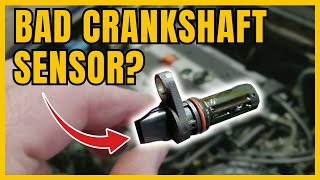
🎬 Watch: 6 common symptoms of a bad crankshaft sensor- Check Engine Light: This is often the first sign. The most common code stored in the computer will be P0335, indicating a problem with the crankshaft position sensor circuit.
- Engine Won't Start: If the computer gets no signal from the sensor, it won't know the engine is turning, so it won't trigger the spark or fuel injectors. The engine will crank but never start.
- Intermittent Stalling: The engine may stall unexpectedly, sometimes after hitting a bump or when it gets warm. This is a serious safety issue.
- Hard Starting: The car may take longer than usual to start because the sensor's signal is weak or erratic.
- Rough Running and Poor Acceleration: Without a consistent signal, engine timing can be off, causing misfires, a rough idle, engine vibrations, and a noticeable lack of power when you accelerate.
- Tachometer Drops to Zero: A unique symptom reported by Cobalt owners is the RPM gauge suddenly dropping to zero while driving, often followed by harsh automatic transmission shifting and a 'Service Traction Control' warning light.
Choosing the Right Aftermarket Sensor

The location of this sensor makes replacement a difficult job. Because of the labor involved, choosing a reliable, high-quality part is more important than saving a few dollars on a budget sensor that might fail early. Aftermarket brands can be grouped into tiers.
Pro Tip: Don't Cheap Out on This Part
Given that you have to remove the starter motor to access this sensor, you don't want to do the job twice. Investing in a quality brand can save you a major headache down the road.
Tier 1: OEM & OEM-Supplier Brands
These are your safest bet for reliability and longevity. They are manufactured to the same standards as the original part that came in your Cobalt.
- ACDelco: As General Motors' own parts brand, this is the closest you can get to the original part.
- Delphi: Delphi was the original equipment manufacturer for many GM parts. A Delphi-branded sensor is often the exact same part as the ACDelco one, sometimes at a lower price.
- Bosch: A well-respected German company that is a major OEM supplier for many car manufacturers worldwide. They are known for high-quality electronics.
Tier 2: Reputable Aftermarket Brands
These brands offer a good balance of quality and price. They are generally reliable for most daily-driver applications.
- Standard Motor Products (SMP): A long-standing aftermarket manufacturer that produces reliable sensors.
- NGK/NTK: While famous for spark plugs, NTK (the sensor division of NGK) produces high-quality sensors.
- Hitachi: Another major OEM supplier known for quality electronics.
Tier 3: Economy & Store Brands
These brands offer the lowest price but can be a gamble in terms of quality and lifespan. Brands like Dorman, Walker, and various auto parts store brands fall into this category. While they may come with a warranty, the warranty won't cover the labor to replace a failed part.
| Tier | Brands | Quality & Reliability |
|---|---|---|
| Tier 1 (Best) | ACDelco, Delphi, Bosch | Highest quality, matches or exceeds OEM specs. Recommended for peace of mind. |
| Tier 2 (Good) | Standard Motor Products, NGK/NTK, Hitachi | Solid, reliable parts from established manufacturers. A good balance of cost and quality. |
| Tier 3 (Economy) | Dorman, Walker, Store Brands | Lowest cost, but quality can be inconsistent. Higher risk of premature failure. |
Frequently Asked Questions (FAQ)

Where is the crankshaft position sensor located on a 2005-2010 Cobalt?
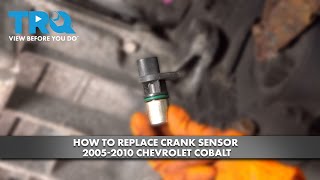
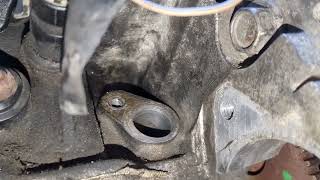
The sensor is located on the back of the engine block, tucked away behind the starter motor. To access it, you must work from under the car and remove the starter.
Can I replace this sensor myself?
Yes, it is possible for a DIY mechanic, but it is a challenging job. It requires safely lifting and supporting the vehicle, disconnecting the battery (located in the trunk), and removing the starter motor from a tight space. If you are not comfortable with this, it is best to have a professional mechanic do the work.
Does a new sensor need a 'relearn' procedure?
For the 2005-2010 Cobalt, there is a Crankshaft Position Variation Relearn procedure that should be performed after replacing the sensor. While the car may run without it, the procedure is necessary for the engine computer to fine-tune its readings for optimal performance and to prevent setting false misfire codes. This procedure requires a compatible professional scan tool.
What if I replace the sensor and the problem continues?
If a new, quality sensor doesn't fix the issue, the problem is likely in the wiring harness between the sensor and the engine computer, or a problem with the computer itself. Check for damaged wires or corroded connectors, as this is a common point of failure. Also, double-check that the famous ignition switch recall has been performed on your vehicle.
Helpful Videos
Technical Specifications
OEM Part Numbers: 12577245 12789959
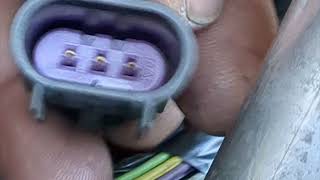
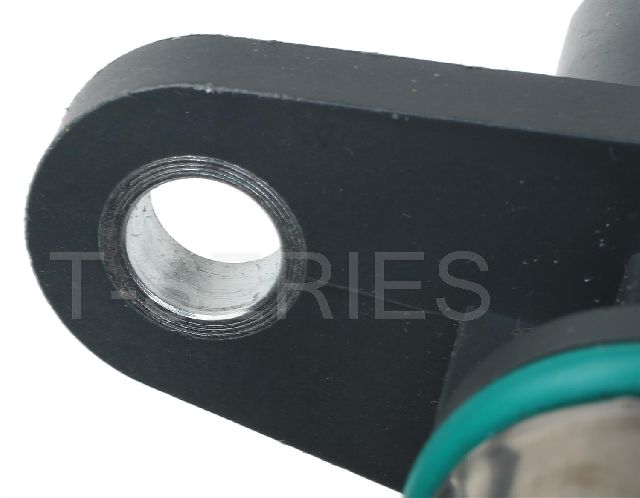
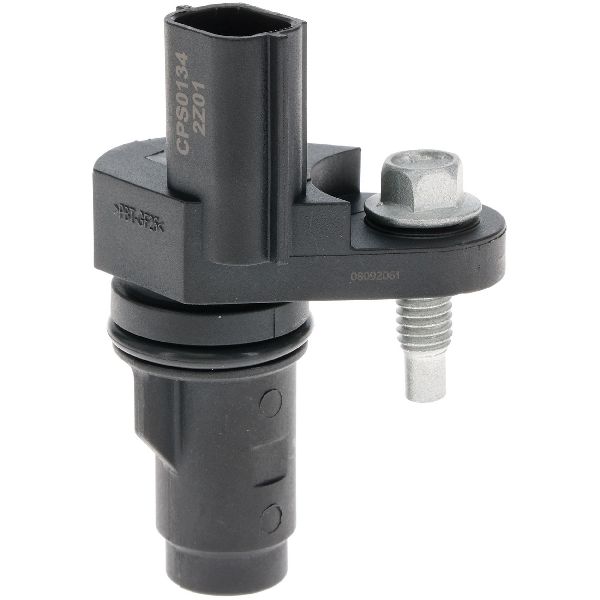
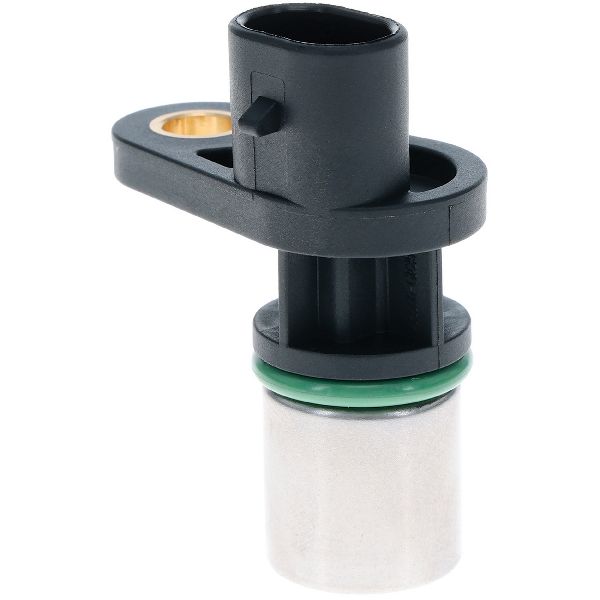
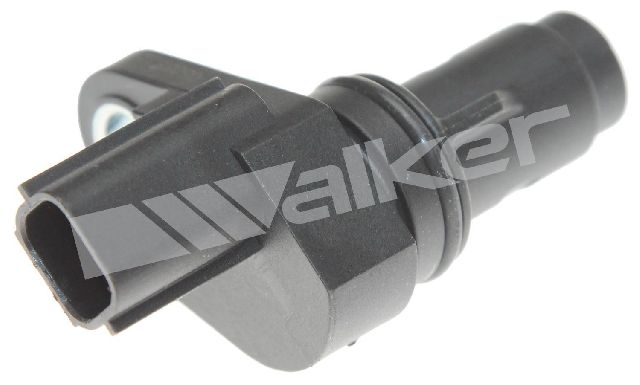
The sensor for the 2.2L and 2.4L Ecotec engines is typically a 2-pin connector type. It mounts to the engine block with a single bolt and is sealed with an o-ring.
We Have This Part in Stock


The information in this article is provided for general reference and educational purposes only. Vehicle specifications, procedures, and part compatibility can vary by production date, trim level, and region. Always consult your vehicle's factory service manual and verify part numbers before purchasing or performing repairs. Safety-critical components such as airbags, seat belts, and braking systems should be installed by a qualified professional.
- Chevrolet Cobalt: