

Oxygen Sensor Guide for the 2005-2010 Audi A4 Quattro
Everything you need to know about choosing the right new aftermarket oxygen sensor for your B7 Audi A4 Quattro.
- A bad oxygen sensor will trigger the Check Engine Light and cause poor fuel economy, rough idle, and power loss.
- For best results, choose a direct-fit sensor from an OEM-quality brand like Bosch, Denso, or NGK.
- The 2.0T engine has two sensors; the upstream sensor is easier to replace than the downstream one.
- Check for TSBs and warranty extensions, as some rear sensor issues are covered by Audi.
Understanding Oxygen Sensor Failure in Your A4 Quattro
When an oxygen sensor in your 2005-2010 Audi A4 Quattro begins to fail, it can no longer send accurate information to the engine's computer. This often causes the computer to guess, usually resulting in a rich fuel mixture (too much fuel, not enough air). This can lead to noticeable performance issues and, if left unaddressed, potential damage to other expensive components like the catalytic converter. Sensors typically fail from age, contamination from engine deposits, or coolant and oil leaks. The average lifespan is between 60,000 and 100,000 miles.
Symptoms of a Bad Oxygen Sensor
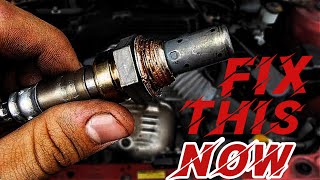
🎬 Watch this video to see common symptoms of sensor failure.- Check Engine Light: This is the most common sign. Specific codes like P0131, P0171, or P2096 often point to an O2 sensor issue.
- Poor Fuel Economy: A faulty sensor can cause the engine to run rich, wasting fuel and forcing you to fill up more often.
- Rough Idle and Misfires: The engine may shake, shudder, or misfire when stopped or at low speeds.
- Loss of Power: Your A4 may feel sluggish or hesitate during acceleration.
- Rotten Egg Smell: A strong smell of sulfur from the exhaust can indicate a failing sensor and an overly rich fuel mixture.
- Failed Emissions Test: An incorrect air-fuel ratio will lead to higher emissions, causing a test failure.
Known Issues and Bulletins
While no widespread recalls exist for the 2005-2010 A4 Quattro's oxygen sensors, Audi has issued Technical Service Bulletins (TSBs) for related models. TSB 2046611/5 notes that lean condition codes (P209600, P209800) may be caused by a contaminated *rear* (downstream) oxygen sensor, even if the diagnostic system suggests a problem with the front sensor. Additionally, Audi extended the warranty on rear oxygen sensors for some vehicles to 10 years or 120,000 miles under Warranty Key U42, so it's worth checking with a dealer if your vehicle is eligible.
Choosing the Right Aftermarket Oxygen Sensor
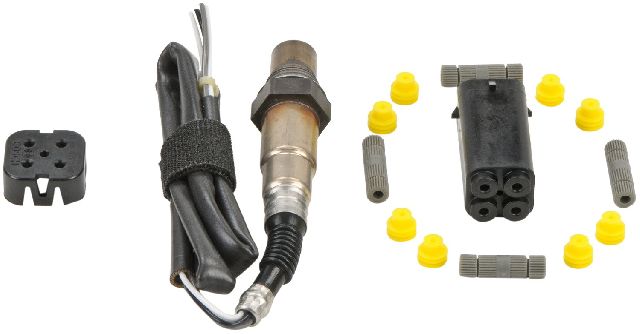
You don't need to buy a genuine Audi part to get a quality oxygen sensor. Many aftermarket brands are the original equipment manufacturers (OEM) for Audi. Choosing a direct-fit sensor is highly recommended over a universal one, as it comes with the correct plug and wire length, avoiding the need for splicing.
Brand Quality Tiers
- Top Tier (OEM Quality): Bosch is the original inventor and a primary OEM supplier for Audi. Many owners report that the factory sensors in their Audis are made by Bosch. Denso and NGK (NTK) are also top-tier OEM suppliers known for their quality and reliability, often matching original performance.
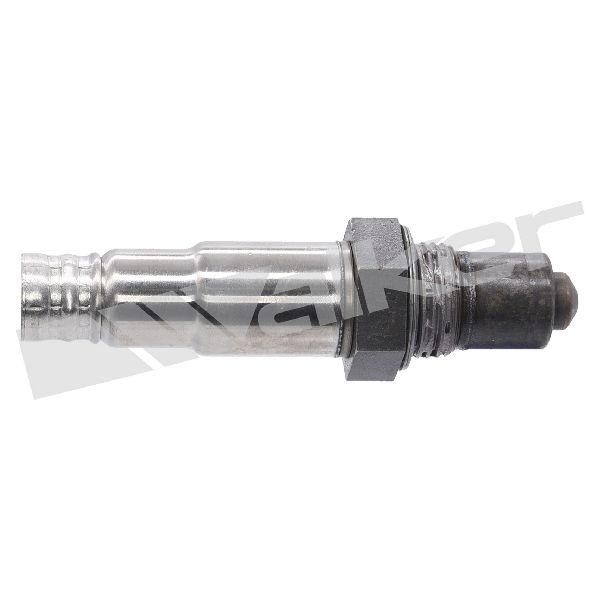
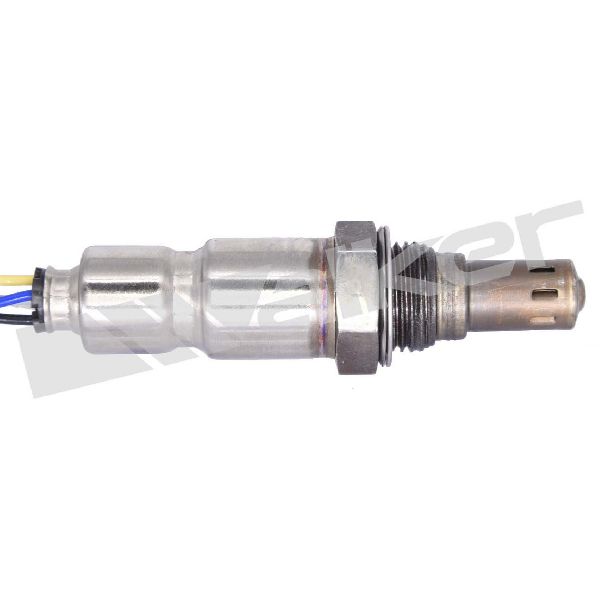
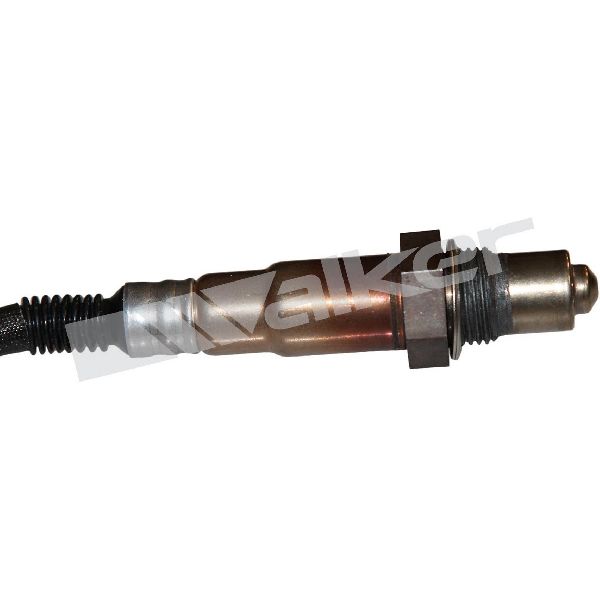
- Mid-Tier (Reliable Aftermarket): Walker Products is a well-regarded aftermarket brand that offers a good balance of quality and affordability. Some sources suggest they may re-package sensors from Denso or NGK. Delphi is another established brand with a solid reputation.
- Economy Tier (Budget-Friendly): Brands like DriveWire, Facet, URO Parts, and Spectra offer more affordable options. While functional, their long-term durability and accuracy may not match the higher-tier brands. URO Parts, in particular, has mixed reviews regarding quality.
Pro Tip: For a critical component like an oxygen sensor, sticking with an OEM-quality brand like Bosch, Denso, or NGK is a wise investment. The price difference is often minimal compared to the labor cost or potential for future issues with a lower-quality part.
Cost of Replacing an Oxygen Sensor
| Part Type | Estimated Cost |
|---|---|
| New Aftermarket Sensor | $44 - $216 |
| New OEM Sensor | $150 - $300+ |
| Shop Labor | $100 - $250 |
Costs are estimates and can vary based on location and which sensor is being replaced (front sensors are often more expensive).
Frequently Asked Questions
How many oxygen sensors does my 2005-2010 A4 Quattro have?
Your A4 Quattro with the 2.0T engine has two oxygen sensors: one upstream (before the catalytic converter) and one downstream (after the catalytic converter). V6 models may have four sensors (two upstream and two downstream). The upstream sensor is a wideband sensor that manages the air-fuel ratio, while the downstream sensor primarily monitors the catalytic converter's efficiency.
Which sensor do I need to replace?
A diagnostic scan tool is needed to read the specific trouble code, which will identify the failing sensor's location (e.g., "Bank 1, Sensor 1" for the upstream sensor or "Bank 1, Sensor 2" for the downstream sensor). Given the TSB regarding rear sensor contamination, be aware that a code pointing to the front sensor could still be caused by a faulty rear one.
Can I replace the oxygen sensor myself?
Yes, this is a feasible DIY job for those with some mechanical experience. The upstream sensor is generally accessible from the engine bay, though you may need to remove the air filter box for better access. The downstream sensor is harder to reach and may require lifting the car. 🎬 See how to replace an oxygen sensor on a B7 Audi. A special oxygen sensor socket with a slot for the wire is essential for removal and installation. The sensors can be very tight, so be prepared to use some force.
Should I buy a universal sensor to save money?
It is not recommended. Universal sensors require you to cut the old connector and splice it onto the new sensor's wires. This introduces a potential point of failure. A direct-fit sensor from a quality brand costs a little more but ensures a reliable connection and proper wire length, saving you time and potential headaches.
Helpful Videos
Technical Specifications
OEM Part Numbers: 06E906265R 06E906265Q 06L906262E 80A906265
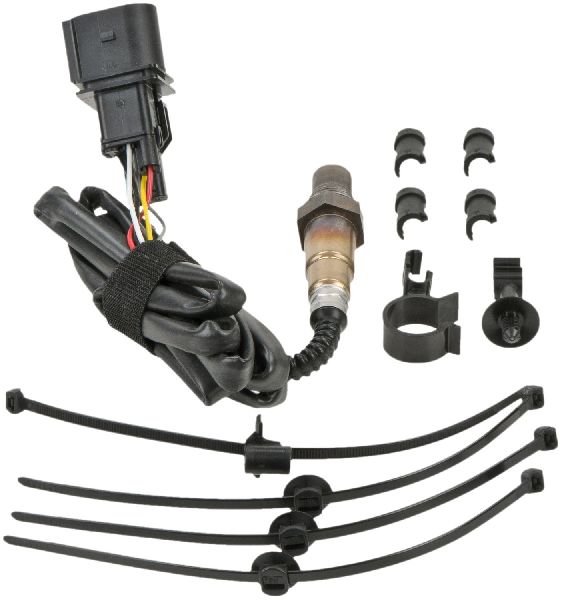
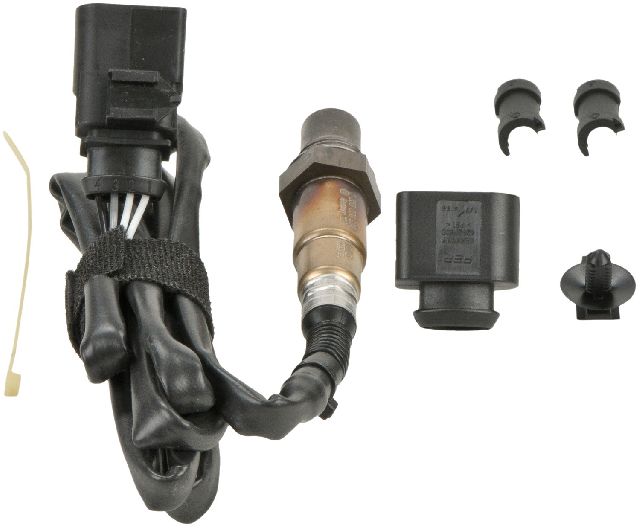
The 2005-2010 Audi A4 Quattro typically uses a 5-wire wideband sensor for the upstream position (pre-catalyst) and a 4-wire sensor for the downstream position (post-catalyst). The thread size is commonly M18x1.5. Always verify the correct part number for your specific engine (2.0T or 3.2L) and sensor location.
We Have This Part in Stock

The information in this article is provided for general reference and educational purposes only. Vehicle specifications, procedures, and part compatibility can vary by production date, trim level, and region. Always consult your vehicle's factory service manual and verify part numbers before purchasing or performing repairs. Safety-critical components such as airbags, seat belts, and braking systems should be installed by a qualified professional.
- Audi A4 Quattro: