

Choosing the Right Aftermarket Alternator for Your 2005-2009 Ford F-150
Keep your F-150's electrical system running strong by picking the best new alternator for your truck's needs.
- A failing alternator will cause dim/flickering lights, a battery warning on the dash, and eventually a dead battery.
- Replacement is DIY-friendly, located on top of the engine and requiring basic tools.
- For most owners, a new aftermarket alternator from a reputable brand like Bosch or Denso offers the best value.
- If you have added accessories like lights or a stereo, consider a high-output alternator from a brand like Powermaster.
Signs of a Failing Alternator on Your F-150

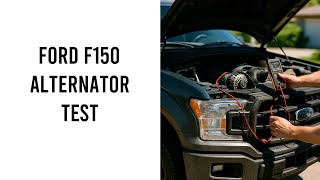
When your F-150's alternator starts to go bad, it usually gives you a few warning signs. Ignoring them can leave you stranded. One of the first things you might notice is a battery warning light on your dashboard. You might also see your headlights and dash lights dim or flicker, especially when the truck is idling. Other electrical components, like your power windows or radio, might act up or seem slow. In some cases, you might hear a whining or grinding noise from the engine bay, which could be a bad bearing inside the alternator. A smell of burning rubber or hot wires can also point to an overworked or failing alternator. Eventually, a bad alternator will lead to a dead battery and a truck that won't start.
Choosing a New Aftermarket Alternator

When replacing the alternator on your 2005-2009 F-150, you have a choice between OEM (Original Equipment Manufacturer) parts and aftermarket parts. For a truck of this age, a new aftermarket part offers a great balance of quality and value. Aftermarket brands often provide options that meet or even exceed the original specifications.
The brands available can be grouped into tiers based on general reputation and user feedback:
- Premium Brands (Bosch, Denso): These companies are often original equipment suppliers for many automakers. They have a strong reputation for quality and reliability. Choosing a new alternator from Bosch or Denso is often the closest you can get to OEM quality.
- High-Performance Brands (Powermaster): If you've added electrical accessories like a powerful stereo, extra lights, or a winch, a high-output alternator from a brand like Powermaster is a smart upgrade. They are designed to produce more amperage at idle and at maximum output than the stock unit, preventing electrical issues caused by the extra demand.
- Standard Aftermarket Brands (Remy, WAI Global, BBB Industries, MPA): These brands offer a wide range of new and remanufactured parts that are a cost-effective solution for a daily driver. While some users report success, others have experienced premature failures, particularly with remanufactured units. A new unit from these brands is generally a safer bet than a remanufactured one.
Pro Tip: Check Your Amperage Needs
The stock alternator for the F-150 is typically around 110-130 amps. If you have a stock truck, this is plenty. If you have added electrical accessories, consider a high-output alternator of 170 amps or more to handle the extra load.
Cost to Replace a 2005-2009 Ford F-150 Alternator

The cost can vary depending on the part you choose and whether you do the work yourself. The job is straightforward for a DIY mechanic with basic tools.
| Part/Service | Estimated Cost |
|---|---|
| New Aftermarket Alternator | $132 - $294 |
| New OEM Alternator | $400 - $675 |
| Shop Labor | $117 - $172 |
| Total Professional Replacement (Aftermarket Part) | $249 - $466 |
Recalls and Technical Service Bulletins (TSBs)
As of early 2026, searches of the National Highway Traffic Safety Administration (NHTSA) database did not reveal any specific recalls or widespread TSBs directly related to alternator failure for the 2005-2009 Ford F-150. However, always check for the most current information for your specific vehicle.
Frequently Asked Questions

Is it hard to replace the alternator on a 2005-2009 F-150?
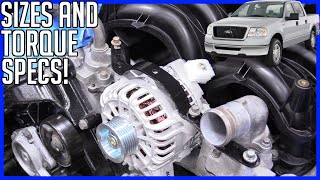
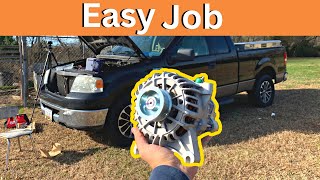
No, it's considered a relatively easy job. The alternator is located on top of the engine and is easy to access. The process involves disconnecting the battery, removing the serpentine belt, unplugging two electrical connectors, and removing a few mounting bolts. Most DIY mechanics can complete the job in about an hour or two with basic hand tools.
Should I buy a new or remanufactured alternator?
For reliability, a new alternator is almost always the better choice. Remanufactured alternators can be a mixed bag; some work great, while others fail prematurely because only the broken component was replaced, not all wearable parts. Given the relatively small price difference for this truck, a new unit with a good warranty offers better peace of mind.
Do I need a special alternator if I tow or have accessories?
If you have added significant electrical loads like a winch, high-powered audio system, or extensive auxiliary lighting, you should consider a high-output alternator. A stock-replacement alternator may not be able to keep up with the demand, leading to a drained battery and poor performance of your accessories.
What other parts should I replace with the alternator?
It is a very good idea to inspect the serpentine belt and the belt tensioner. Since you have to remove the belt to change the alternator, it's the perfect time to replace it if it shows any signs of cracking, fraying, or wear. If the tensioner is weak or noisy, replacing it at the same time can prevent future problems.
Helpful Videos

Technical Specifications
OEM Part Numbers: 7L7Z-10346-B 7L3Z-10346-A 6L7Z-10346-B 5L7Z-10346-BA 4L3Z-10346-BA 4L3Z-10346-BB 7L3Z-10346-FRM
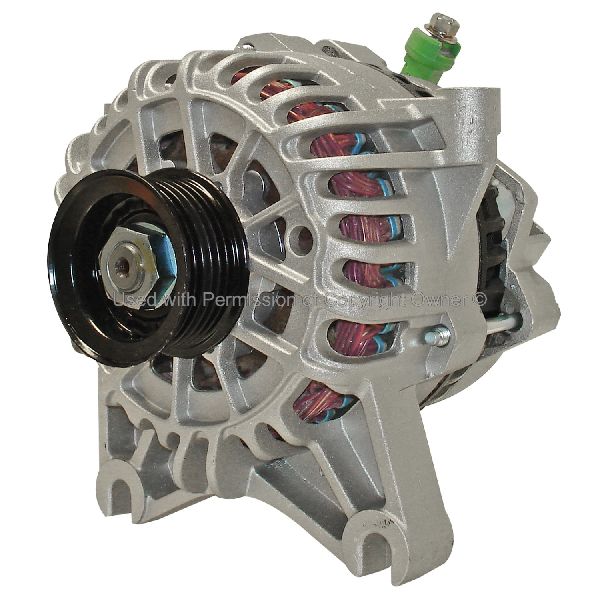
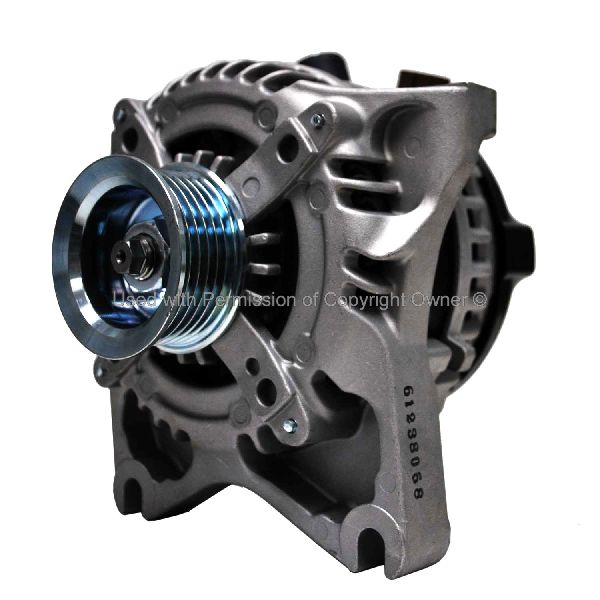
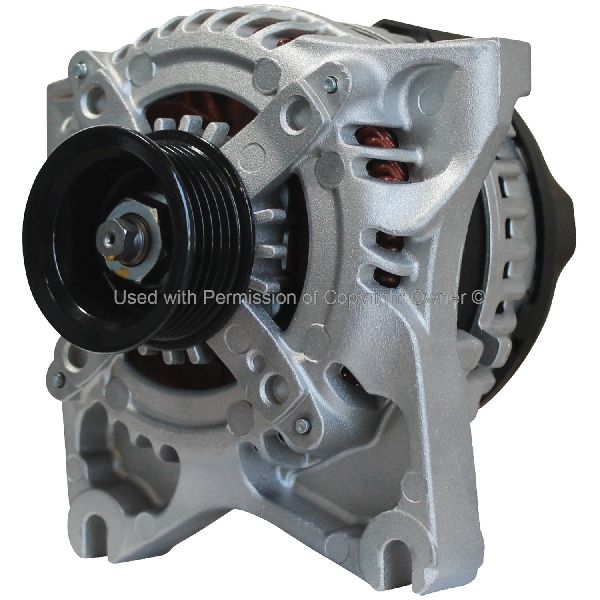
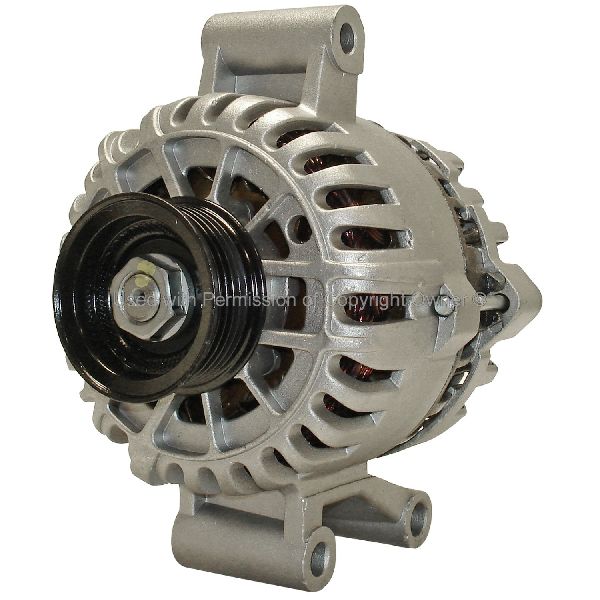
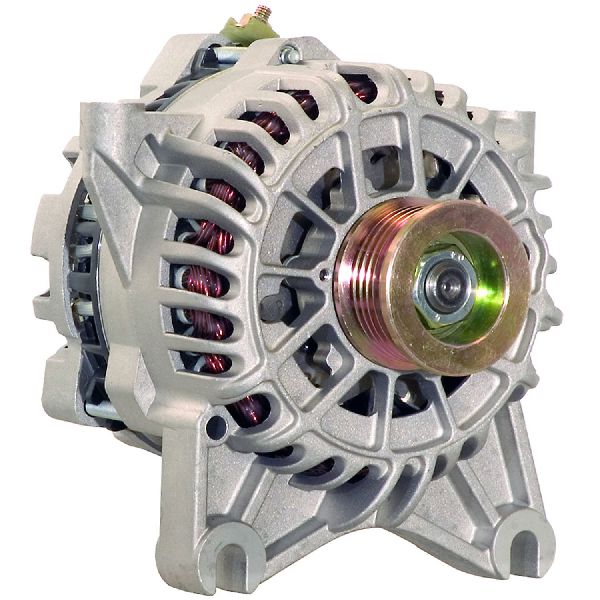
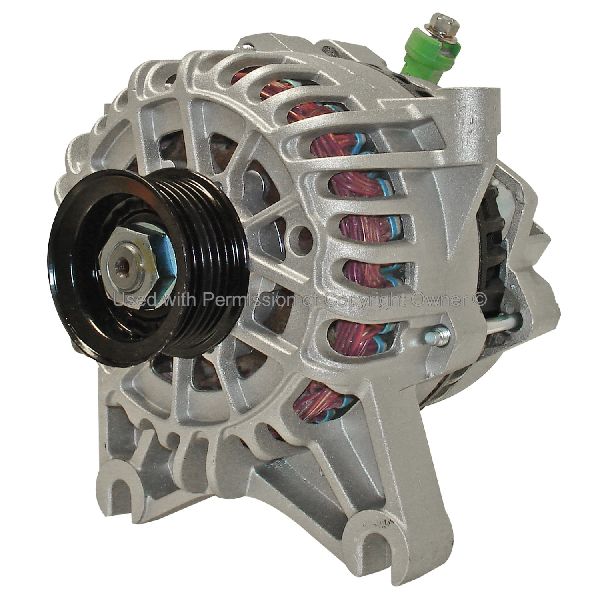
Standard output is typically 110-130 Amps. High-output aftermarket options are available from 170 to over 300 Amps. Uses a 5 or 6-groove serpentine pulley. The electrical connection is a single plug and a B+ power stud.
We Have This Part in Stock

The information in this article is provided for general reference and educational purposes only. Vehicle specifications, procedures, and part compatibility can vary by production date, trim level, and region. Always consult your vehicle's factory service manual and verify part numbers before purchasing or performing repairs. Safety-critical components such as airbags, seat belts, and braking systems should be installed by a qualified professional.
- Ford F-150: