

Toyota Yaris Engine Coolant Temperature Sensor: A Complete Guide (2004-2023)
Understanding the signs of a failing coolant sensor in your Yaris and how to choose the right replacement.
- A bad ECT sensor on a Yaris can cause poor fuel economy, a check engine light, and overheating.
- Denso is an OEM supplier for Toyota, making their aftermarket sensor a top-quality choice.
- Replacement is a simple DIY task that can be done in under 30 minutes with basic tools.
- There are no active recalls for this specific part on the Toyota Yaris.
Is Your Yaris Acting Up? It Could Be the Coolant Temp Sensor

A failing Engine Coolant Temperature (ECT) sensor can cause a surprising number of problems that you might not immediately connect to a small sensor. Because the engine's computer relies on its signal for so many adjustments, a bad sensor can make your car run poorly. Symptoms can range from annoying to serious, affecting everything from fuel economy to engine safety.
Common Symptoms of a Bad ECT Sensor
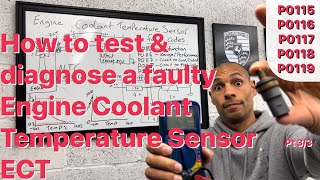
- Check Engine Light: This is often the first sign. The computer will log a fault code, typically P0115, P0116, P0117, or P0118. 🎬 Learn how to test a sensor for these specific fault codes.
- Poor Fuel Economy: If the sensor wrongly tells the computer the engine is cold, the computer will enrich the fuel mixture, causing you to use more gas.
- Engine Overheating: A faulty sensor might fail to signal the computer to turn on the cooling fans when needed, leading to overheating.
- Black Smoke from Exhaust: A constantly rich fuel mixture from a bad sensor reading can result in unburnt fuel exiting through the exhaust.
- Rough or High Idle: The computer may increase engine RPMs, thinking the engine is cold and needs to warm up, even when it's already at operating temperature.
- Hard Starting: Incorrect fuel and timing adjustments can make the engine difficult to start, whether it's hot or cold.
A Note on Yaris Warning Lights
Many Toyota Yaris models do not have a traditional temperature gauge, instead using a blue light for a cold engine and a red light for an overheating engine. A faulty ECT sensor can cause the blue light to stay on longer than usual or even come on while driving, or it could fail to trigger the red light in an actual overheating situation.
Choosing the Right Aftermarket Sensor

When it comes to a critical sensor like the ECT, quality matters. You don't have to buy from the dealer to get a reliable part, but you should be selective about the brand.
- Top Tier (OEM Quality): Denso is a well-known Original Equipment Manufacturer (OEM) for Toyota. Choosing a Denso sensor is essentially like getting the same part the car was built with, ensuring perfect fit and function. It's the safest bet for an aftermarket replacement.
- Reputable Aftermarket Brands: Brands like Beck Arnley, Delphi, NGK, and Standard Ignition (SMP) have long-standing reputations for producing quality aftermarket components. They engineer their parts to meet or exceed OEM specifications and are a solid choice for a balance of price and reliability.
- Value-Oriented Brands: Other brands like Four Seasons, Facet, and Walker Products offer a more budget-friendly option. While generally reliable, they are best suited for owners prioritizing cost savings.
- A Word of Caution: Be wary of unbranded, ultra-cheap sensors from online marketplaces. A failed sensor can leave you stranded or, worse, lead to engine damage. The small savings are often not worth the risk of using a part with questionable quality control.
OEM vs. Aftermarket Quality
For the Toyota Yaris, the line between OEM and top-tier aftermarket is blurry, in a good way. Since Denso supplies parts directly to Toyota and also sells them on the aftermarket, you can get identical quality for less money. Sticking with Denso or another trusted brand gives you OEM performance without the dealership price tag.
Typical Replacement Costs

The cost can vary depending on the brand you choose and whether you do the work yourself.
| Item | Cost Range |
|---|---|
| New OEM Sensor | $50 - $100 |
| New Aftermarket Sensor | $13 - $96 |
| Shop Labor | $50 - $120 |
| Total (Shop Installed) | $100 - $220 |
Known Issues, Recalls, or TSBs
Searches of the National Highway Traffic Safety Administration (NHTSA) database and other sources show no specific recalls or widespread Technical Service Bulletins (TSBs) for the Engine Coolant Temperature Sensor on the 2004-2023 Toyota Yaris. While some Yaris models were included in the large-scale Takata airbag recall, there are no active campaigns for this specific sensor.
Frequently Asked Questions (FAQ)

Where is the ECT sensor located on a Toyota Yaris?
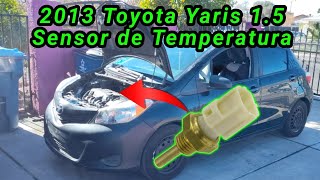
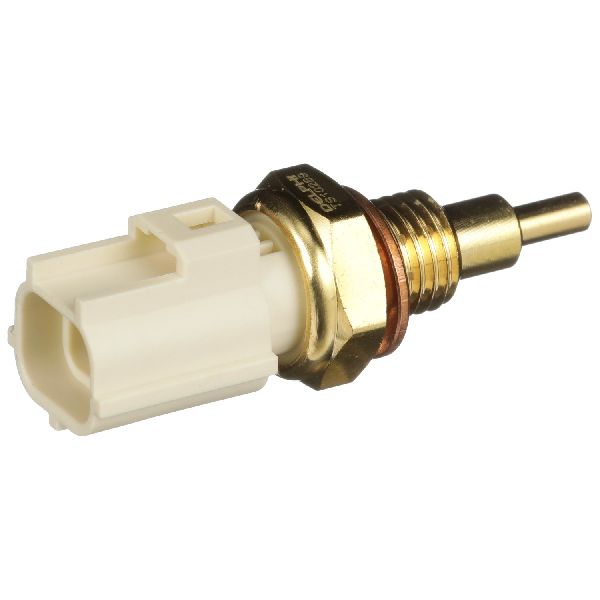
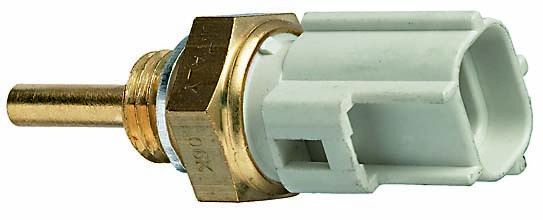
On most Yaris models with the 1.5L (1NZ-FE) engine, the ECT sensor is on the passenger side of the engine, screwed into the cylinder head near the housing where the upper radiator hose connects. 🎬 See exactly where the sensor is located on the engine. It has a small electrical connector attached to it.
Can I replace the Yaris coolant sensor myself?
Yes, this is a very DIY-friendly job for most home mechanics. It requires basic tools, like a deep socket or wrench. The main challenge is working quickly to minimize coolant loss when you swap the old sensor for the new one. The job can typically be done in under 30 minutes.
🎬 Watch this step-by-step guide to replacing your Yaris sensor.What happens if I don't replace a bad ECT sensor?
Ignoring a bad ECT sensor can lead to persistent poor fuel economy, failed emissions tests, and a constant Check Engine Light. In a worst-case scenario, it could fail to trigger the cooling fans, leading to engine overheating and potential catastrophic damage like a warped cylinder head or blown head gasket.
Is Denso really an OEM brand for Toyota?
Yes. Denso is a major Japanese automotive parts company that is part of the Toyota Group. They manufacture a wide variety of original equipment parts for Toyota, including ignition components, fuel systems, and sensors.
Helpful Videos
Technical Specifications
OEM Part Numbers: 89422-33030 89422-06010 89422-0D010 89422-WB001 89422-WB002
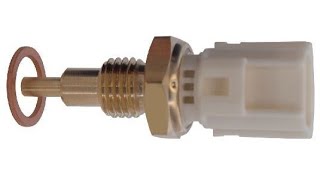
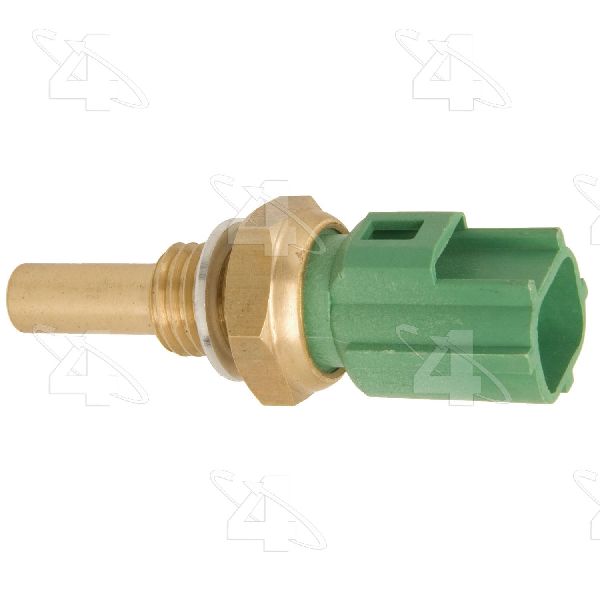
Typically a 2-pin sensor with an M12x1.5 thread.
We Have This Part in Stock


The information in this article is provided for general reference and educational purposes only. Vehicle specifications, procedures, and part compatibility can vary by production date, trim level, and region. Always consult your vehicle's factory service manual and verify part numbers before purchasing or performing repairs. Safety-critical components such as airbags, seat belts, and braking systems should be installed by a qualified professional.
- Toyota Yaris: