

Nissan TITAN Transmission Speed Sensor Guide (2004-2018)
Fixing erratic shifting and Check Engine Light issues in your 2004-2018 Nissan TITAN.
- A bad speed sensor is a common cause of erratic shifting, limp mode, and a P0720 trouble code.
- For 2004-2015 models, always check for coolant in the transmission fluid to rule out the more serious radiator failure (SMOD).
- Replacement is simple and DIY-friendly, but using a quality aftermarket brand like Hitachi or NGK/NTK is highly recommended over generic parts.
- Some shifting issues on newer TITANs may be fixed with a software update from the dealer, as noted in official TSBs.
Is Your TITAN Shifting Strangely?

A failing automatic transmission speed sensor can cause some of the most common and frustrating issues TITAN owners experience. When this sensor starts to go bad, it sends incorrect or no information to your truck's computer. This can make your transmission behave unpredictably, leading to poor performance and potential damage if ignored.
First-Generation TITANs (2004-2015): A Critical Note
If you own a first-generation TITAN, you must be aware of a widespread issue where the transmission cooler inside the radiator can fail. This allows engine coolant and transmission fluid to mix, creating a sludgy pink substance often called the "strawberry milkshake of death" (SMOD). This will destroy the transmission quickly. While a bad speed sensor causes shifting problems, SMOD is a catastrophic failure. Always check your coolant and transmission fluid for signs of contamination if you experience any transmission issues.
Symptoms of a Failing Transmission Speed Sensor

- Erratic or Harsh Shifting: The truck may slam into gear, shift at the wrong times, or feel like it's slipping.
- Stuck in One Gear (Limp Mode): The transmission may lock itself into a single gear (often 3rd) to prevent damage, severely limiting your speed.
- Check Engine Light: A failing sensor will almost always trigger a Check Engine Light, with code P0720 being the most common.
- Inaccurate Speedometer: The speedometer may stop working, jump around, or show the wrong speed.
- Cruise Control Failure: The cruise control system relies on a steady speed signal, so it will not work if the sensor is faulty.
Choosing the Right Aftermarket Sensor

When replacing a critical electronic part like a speed sensor, quality matters. While generic, low-cost parts are available, they often have a higher failure rate. For a part that is relatively inexpensive to begin with, choosing a reputable brand is a smart investment.
- Hitachi: As a well-known OEM supplier for many Japanese vehicles, Hitachi parts are engineered to meet or exceed original factory specifications. Choosing Hitachi is often the closest you can get to OEM quality without the dealer price tag.
- NGK/NTK: NGK is famous for spark plugs, but their NTK sensor line is also highly regarded. NTK sensors are known for their robust construction and are designed as direct OE-replacements, often with improvements like better wire insulation.
For a critical sensor like this, sticking with an OEM-supplier brand like Hitachi or a specialty sensor manufacturer like NTK provides the best balance of quality and value. It reduces the risk of having to do the job twice.
Cost of Replacing a TITAN Transmission Speed Sensor
| Part Type | Estimated Cost |
|---|---|
| New OEM | $150 - $240 |
| New Aftermarket (Hitachi, NGK) | $94.78 - $281.91 |
| Shop Labor | $60 - $120 |
Frequently Asked Questions

Can I replace the speed sensor myself?
Yes, this is a very DIY-friendly job for most owners. The sensor is located on the outside of the transmission and is typically held in by a single bolt. Access is the main challenge, but it usually requires only basic hand tools and can be completed in under an hour.
What's the difference between an input and output speed sensor?
The input sensor measures the speed of the transmission's input shaft (from the engine), while the output sensor measures the output shaft's speed (to the wheels). The computer compares these two speeds to verify gear ratios and detect slippage. The output speed sensor is the more common failure point that triggers the P0720 code.
What does the code P0720 mean?
P0720 stands for "Output Speed Sensor Circuit Malfunction." It means the TCM has lost the signal from the output speed sensor or the signal is erratic and unusable. While this often points to a bad sensor, it can also be caused by damaged wiring, a loose connection, or, in some less common cases, a problem with the valve body or TCM itself.
Could my shifting problem be something else?
Yes. On 2004-2015 models, always rule out the radiator/transmission cooler failure (SMOD). On newer models (especially 2020+), Nissan has issued Technical Service Bulletins (TSBs) to fix shifting issues by reprogramming the TCM and ECM. If no codes are present but you have poor shift quality, a software update at the dealer might be the solution.
Helpful Videos

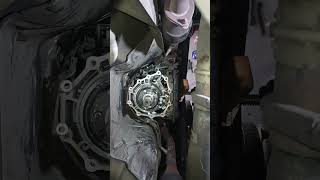
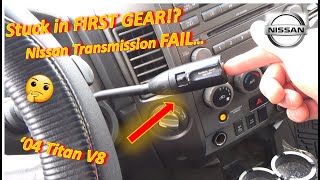
Technical Specifications
OEM Part Numbers: 31935-1XJ0D 31935-1XJ0A 31935-1XJ0C 31935-97X00 31935-EZ00B
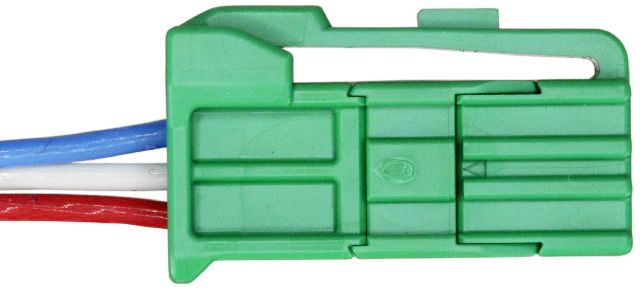
Typically a 2-wire or 3-wire hall-effect sensor that mounts externally on the transmission housing. It is often referred to as the Vehicle Speed Sensor (VSS).
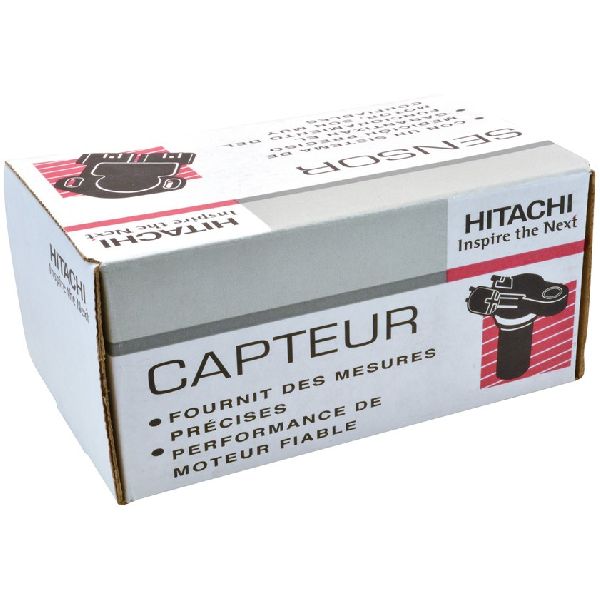
We Have This Part in Stock

The information in this article is provided for general reference and educational purposes only. Vehicle specifications, procedures, and part compatibility can vary by production date, trim level, and region. Always consult your vehicle's factory service manual and verify part numbers before purchasing or performing repairs. Safety-critical components such as airbags, seat belts, and braking systems should be installed by a qualified professional.
- Nissan TITAN: