

Subaru Forester Camshaft Position Sensor: A Guide for 2004-2017 Models
Experiencing stalling or a check engine light on your Forester? Your camshaft position sensor might be the culprit.
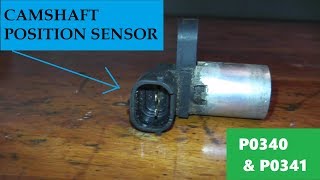
- A failing camshaft sensor can cause stalling, hard starts, and a check engine light with codes like P0340 or P0345.
- Your Forester may have two or four sensors; confirm the correct number and location for your specific year and engine before buying.
- Using OEM sensors is highly recommended for reliability, as cheap aftermarket sensors are known to fail prematurely in Subarus.
- For 2011+ models, check for TSBs related to sensor air gaps, as a shim may be required to fix certain issues.
Is Your Forester Stalling or Running Rough?

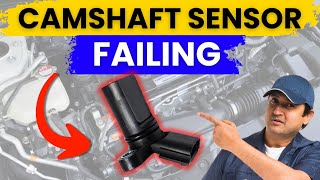
A failing camshaft position sensor can cause a range of frustrating engine problems. Because this sensor provides critical timing data to your engine's computer, a bad signal can disrupt the engine's rhythm. Common signs of failure include the check engine light coming on, the engine suddenly stalling, difficulty starting, a rough idle, and a noticeable loss of power when you accelerate. You may also notice your fuel economy getting worse.
Known Issues for 2004-2017 Subaru Foresters

Certain Forester models have specific known issues related to the camshaft position sensors documented in Technical Service Bulletins (TSBs), which are instructions from Subaru to its technicians.
- 2011-2017 Models (FB Engines): A TSB was issued for Foresters with FA/FB series engines that could develop a hard start, no start, or rough idle condition. This can be caused by the air gap between the sensor and the camshaft being incorrect. The official fix involves measuring this clearance and installing a specific micro-shim to bring it into specification.
- 2004-2006 Turbo Models (EJ Engines): An early TSB notes that error codes P0340 or P0345 can appear immediately after an intake camshaft replacement if the air gap is out of spec.
No safety recalls have been issued for the camshaft position sensor itself on 2004-2017 Foresters.
OEM vs. Aftermarket Sensors: An Honest Assessment
When it comes to critical engine sensors on a Subaru, using an Original Equipment Manufacturer (OEM) part is strongly recommended by experienced mechanics and owners. Forum discussions frequently mention that low-cost aftermarket sensors can be unreliable, fail quickly, or be dead on arrival, leading you to do the job twice. While the upfront cost of an aftermarket sensor is lower, an OEM sensor provides peace of mind and a much lower risk of failure, which can prevent stalling in a dangerous situation. If budget is the primary concern, choose a reputable aftermarket brand over the cheapest option available.
How Many Sensors Does Your Forester Have?

This is a common point of confusion. The number of camshaft position sensors depends on your Forester's year and engine.
- Early Non-Turbo Models: May have only one or two sensors.
- Turbo (XT) and Later Models (2011+): These engines often feature Subaru's Dual Active Valve Control System (AVCS) and have four separate camshaft position sensors—one for the intake and exhaust cam on each side of the engine.
Pro Tip: Before ordering, use your vehicle's VIN to confirm the exact number and part numbers of the sensors you need. Replacing only one sensor when a code points to a specific bank might be a temporary fix, as the others may be of a similar age and condition.
Camshaft Position Sensor Replacement Cost (2004-2017 Subaru Forester)

| Part Type | Estimated Cost |
|---|---|
| New OEM Sensor (per sensor) | $25 - $115 |
| New Aftermarket Sensor (per sensor) | $32 - $41 |
| Shop Labor Cost | $100 - $180 |
Cost estimates are for a single sensor and do not include taxes or shop supply fees. Your cost may vary.
Frequently Asked Questions
What are the main symptoms of a bad camshaft sensor on a Forester?
The most common symptoms are the check engine light, engine stalling, difficulty starting, rough idle, hesitation during acceleration, and poor gas mileage.
Which error codes point to a bad camshaft sensor?
The most direct codes are P0340 and P0345, which specify a fault in the camshaft position sensor circuit for Bank 1 and Bank 2, respectively. Related codes like P0016, P0017, P0018, or P0019 can also be related to cam/crank correlation issues.
Where is the camshaft position sensor located on a Forester?
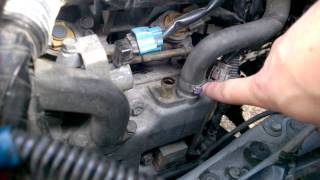
The sensors are located on the engine, typically near the front timing covers or on top of the cylinder heads. For example, on many later models, two sensors are easily accessible on the top front of the engine, while the other two are located lower down and may require removing a splash shield to access.
Can I replace the sensor myself?
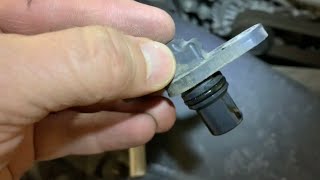
Yes, this is a DIY-friendly job for many. The sensor is usually held in by a single 10mm bolt. The main challenge is access, as some sensors can be in tight spaces. Always disconnect the battery before starting and make sure the new sensor's O-ring is properly lubricated with clean engine oil before installation.
Helpful Videos
Technical Specifications
OEM Part Numbers: 22056AA270 22056AA28A 22056AA140 22056AA063
The sensor is a Hall effect or magnetic pickup type, held in place by a single 10mm bolt. It includes a rubber O-ring to seal against the engine. Some models and years require checking and adjusting the air gap with shims per TSBs.

The information in this article is provided for general reference and educational purposes only. Vehicle specifications, procedures, and part compatibility can vary by production date, trim level, and region. Always consult your vehicle's factory service manual and verify part numbers before purchasing or performing repairs. Safety-critical components such as airbags, seat belts, and braking systems should be installed by a qualified professional.
- Subaru Forester: