

A Comprehensive Guide to the 2004-2016 Nissan TITAN Fuel Pump Module Assembly
Everything a TITAN owner needs to know before replacing a failing fuel pump module.
- Check for the IPDM relay recall (2004-2006 models) before replacing the fuel pump, as it causes similar symptoms.
- A failing pump gives warnings like engine sputtering, power loss, and hard starting.
- Aftermarket brands like Delphi and Carter offer good value, while budget brands like URO Parts and GMB are riskier for this job.
- Replacement is a difficult job requiring the fuel tank to be dropped; professional installation is recommended.
Is Your TITAN's Fuel Pump Failing?


A bad fuel pump in a 2004-2016 Nissan TITAN doesn't always fail suddenly. Often, it gives warning signs that the engine isn't getting the fuel it needs. Ignoring these symptoms can leave you stranded. Be aware of these common issues:
- Engine Sputtering or Hesitation: The truck may jerk or sputter, especially at highway speeds or when accelerating. This happens because the weak pump can't keep up with the engine's demand for fuel.
- Loss of Power: You might notice the truck feels weak when climbing hills or towing. This is a classic sign that the pump is struggling to deliver enough fuel under load.
- Difficulty Starting: The engine may crank for a long time before it starts, or it might not start at all. A weak pump can't build enough pressure for ignition.
- Engine Stalling: The engine may stall unexpectedly, sometimes after it has warmed up. This can be caused by the pump overheating and temporarily failing.
- Whining Noise from the Fuel Tank: A loud humming or whining sound from the rear of the truck (where the fuel tank is) can indicate the fuel pump motor is straining. A healthy pump usually makes a very faint hum when you turn the key.
Check This First: IPDM Relay Recall
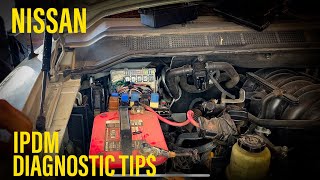
Before you condemn the fuel pump, be aware of a recall on the Intelligent Power Distribution Module (IPDM) for 2004-2006 TITAN models (NHTSA Recall #10V477000). 🎬 Watch: Diagnostic tips for the Nissan IPDM and engine relay. A faulty relay in this module can cause symptoms identical to a failing fuel pump, including stalling, hesitation, and a no-start condition. Your Nissan dealer can check if this free recall repair has been performed on your truck.
Choosing the Right Aftermarket Fuel Pump

When replacing the fuel pump module, you have a choice between Original Equipment (OEM) from a Nissan dealer and various aftermarket brands. While an OEM pump is often considered the most reliable option, it is also the most expensive. High-quality aftermarket parts can offer a significant cost saving without a major compromise in quality, but not all brands are created equal.
Brand Quality Tiers for Your TITAN
Based on owner feedback and general brand reputation, here’s how the available brands stack up:
- Top-Tier Aftermarket (OEM Quality):
Delphi: Delphi is a well-respected brand that is often an original equipment supplier to many automakers. Their pumps are known for reliability and are often considered the best alternative to a genuine Nissan part. They engineer their parts to meet or improve upon the original designs. - Mid-Grade Aftermarket (Reliable & Value-Oriented):
Carter: Carter fuel pumps are known for being quiet and durable. They are a solid choice for a daily-driven truck, offering a good balance of quality and price.
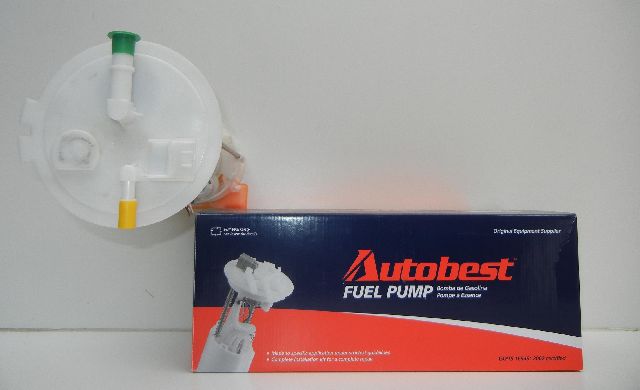
Autobest: Often praised for being a budget-friendly, direct-fit replacement. Autobest kits usually come with all the necessary components like seals and strainers, which is a plus for DIY installation.
US Motor Works: This brand aims to provide OE-level performance and uses quality materials like stainless steel components and corrosion-resistant sensors. While generally seen as a good value, some users report occasional quality control issues. - Economy-Tier Aftermarket (Use with Caution):
GMB: While GMB is an OEM supplier for some Japanese brands, their aftermarket fuel pumps have received mixed reviews. Some users have reported early failures, making them a riskier choice for a part that is labor-intensive to replace.
URO Parts: URO Parts is generally considered a budget brand. While they make a wide variety of parts, their quality can be inconsistent. For a critical component like a fuel pump, many mechanics advise against using lower-cost brands due to the high risk of premature failure. - Specialty Brand:
Holley: Holley is a legendary name in performance parts. Their pumps are typically designed for high-performance or modified engines and are not standard OEM-style replacements. For a stock Nissan TITAN, a Holley pump is likely unnecessary and may require modifications to install.
Common Ordering Mistake
The 2004-2016 Nissan TITAN was available with different fuel tank sizes and with or without Flex Fuel (E85) capability. These differences require different fuel pump modules. Always verify your truck's specific configuration (fuel type and tank size) before ordering a new part to ensure you get the correct one.
Replacement Cost for a 2004-2016 Nissan TITAN

The cost to replace a fuel pump module assembly varies based on the parts you choose and local labor rates. The job is labor-intensive because the fuel tank must be dropped to access the pump.
| Part/Service | Estimated Cost |
|---|---|
| New OEM Fuel Pump Module | $1,125 - $1,619 |
| New Aftermarket Fuel Pump Module | $98 - $549 |
| Shop Labor | $273 - $576 |
| Total Professional Replacement (Aftermarket) | $371 - $1,125 |
| Total Professional Replacement (OEM) | $1,398 - $2,195 |
Frequently Asked Questions
Is it hard to replace the TITAN fuel pump myself?
This is an advanced DIY job. It requires safely lifting the vehicle, disconnecting the fuel filler neck, and lowering a heavy, potentially partially-full fuel tank. Some mechanics find it easier to remove the truck bed for access. Due to the fire hazard of working with gasoline and the difficulty of handling the tank, professional installation is recommended for those without significant experience. The job typically takes 2-4 hours.
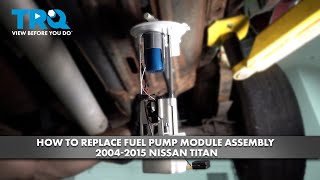
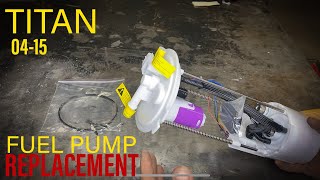
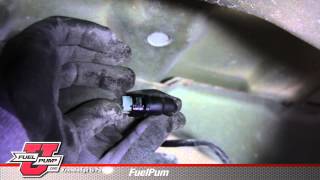
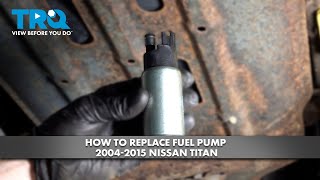
🎬 Watch this step-by-step guide to replacing the fuel pump module.Do I need to replace the whole module or just the pump?
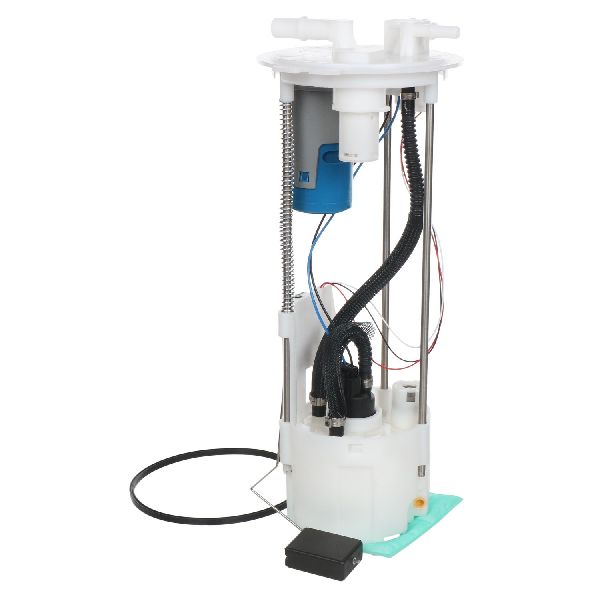
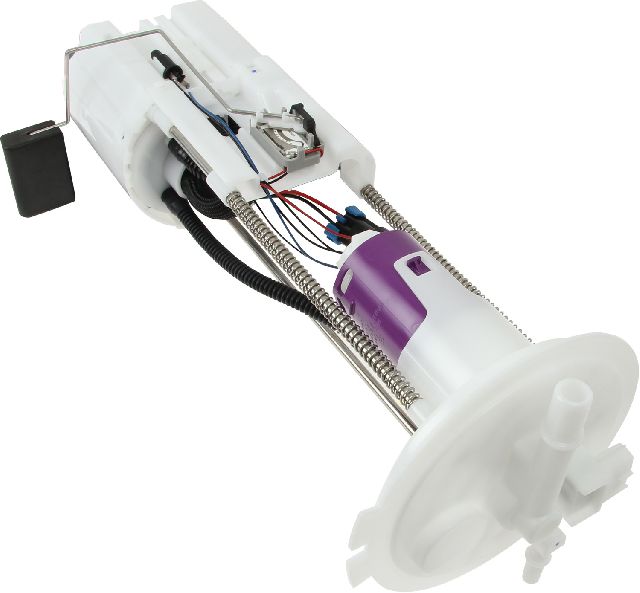
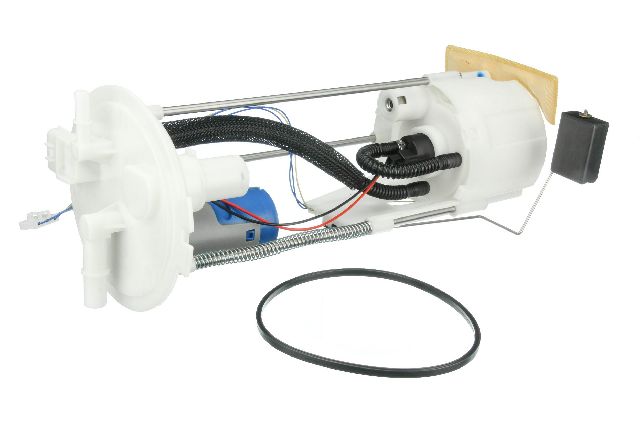
The part is sold as a complete module assembly, which includes the pump, sending unit, and filter. It is highly recommended to replace the entire unit. Trying to replace only the pump motor inside the plastic housing is difficult and can lead to leaks or incorrect fuel level readings.
What is a Fuel Pump Driver Module (FPDM)?
Some vehicles use a separate module to control the voltage sent to the fuel pump. While some TITAN owners have reported issues with a Fuel Pump Driver Module, this seems more common on the second-generation (2017+) models. For the 2004-2016 generation, the primary electrical issue to check is the IPDM relay recall.
🎬 See how to perform fuel pump electrical tests on your Titan.Should I run my gas tank low?
It's a bad habit to frequently run your truck close to empty. The gasoline in the tank helps cool the electric fuel pump motor. Running it low repeatedly can cause the pump to overheat, leading to a shorter lifespan.
Helpful Videos


Technical Specifications
OEM Part Numbers: 170407S000 170407S200 170408S000 170408S005 17040EA000 17040ZQ60A E8538M
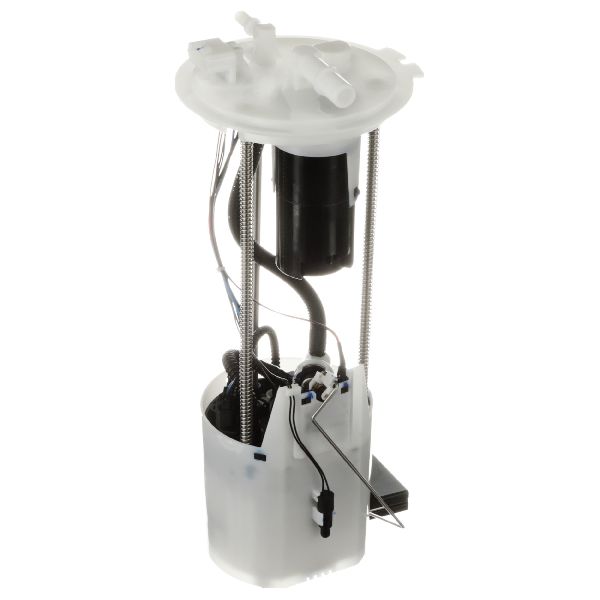
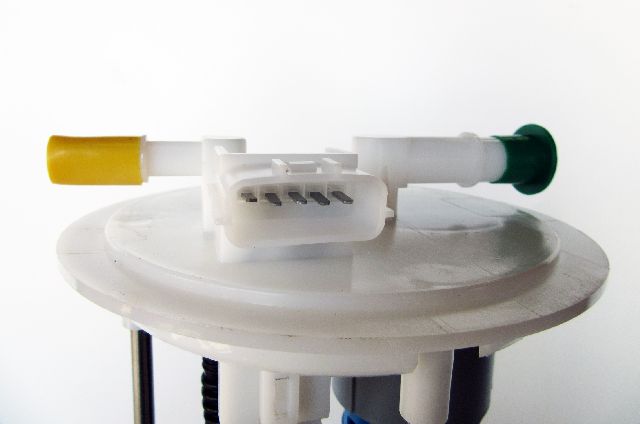
The fuel pump module assembly is an in-tank unit containing an electric turbine-style pump, fuel level sending unit, and integrated fuel strainer. It is designed to supply fuel at a specific pressure (typically around 50 PSI) required by the 5.6L V8 engine. Different part numbers exist for Flex Fuel (E85) and non-Flex Fuel vehicles, as well as for different fuel tank sizes.
We Have This Part in Stock

The information in this article is provided for general reference and educational purposes only. Vehicle specifications, procedures, and part compatibility can vary by production date, trim level, and region. Always consult your vehicle's factory service manual and verify part numbers before purchasing or performing repairs. Safety-critical components such as airbags, seat belts, and braking systems should be installed by a qualified professional.
- Nissan TITAN: