

Cadillac SRX (2004-2016) Catalytic Converter Replacement Guide
Everything you need to know before replacing the catalytic converter on your first or second-generation Cadillac SRX.
- Always diagnose and fix the root cause of the failure (e.g., oil consumption, misfires) before installing a new converter.
- The 2004-2009 and 2010-2016 SRX models use different catalytic converters; ensure you buy for the correct generation and engine.
- You must purchase a converter that is legal for your state (Federal EPA vs. CARB-compliant for CA, NY, CO, ME).
- Replacing oxygen sensors with the converter is a smart investment to ensure proper performance and longevity.
Understanding Catalytic Converter Failure in Your SRX

If you're reading this, you likely have a check engine light on with codes P0420 or P0430, or you're experiencing symptoms like poor acceleration. These are classic signs of a catalytic converter issue. It's important to understand that converters don't usually fail on their own. An underlying issue, like a misfiring engine, leaking fuel injectors, or excessive oil consumption, can destroy a new converter quickly. Before replacing the part, it's crucial to diagnose and fix the root cause.
First vs. Second Generation SRX: What's Different?

The 2004-2016 SRX spans two very different vehicle generations, which affects which converter you need.
- First Generation (2004-2009): These models were available with a 3.6L V6 or a 4.6L Northstar V8. They have a more traditional exhaust layout. 🎬 Watch this walkthrough for replacing both converters on a first-gen SRX.
- Second Generation (2010-2016): These models came with 3.0L or 3.6L V6 engines (and a rare 2.8L Turbo). Many of these have catalytic converters integrated directly into the exhaust manifold, making replacement a more involved job.
Always confirm your exact year and engine to ensure you order the correct part, as they are not interchangeable.
A Note on Emissions Laws (CARB vs. EPA)
You must buy a converter that is legal in your state. States like California, New York, Colorado, and Maine have strict emissions laws and require CARB-compliant converters. These are more expensive because they contain more precious metals to meet stricter standards. Federal (EPA) converters are for all other states. Installing the wrong type can result in a failed emissions test and fines.
Choosing the Right Aftermarket Brand

Original Equipment (OEM) converters from Cadillac are very expensive. Aftermarket brands offer a more affordable solution, but quality can vary. Here’s a breakdown of common brands:
- Premium Brands (MagnaFlow): MagnaFlow is a well-regarded brand known for high-quality, stainless steel construction and good performance. They often offer "OEM Grade" and standard-grade options, with the former being more robust. They are a top choice if you plan to keep your SRX for a long time.
- OEM-Style Replacement Brands (Walker, AP Exhaust, Eastern Catalytic): These brands focus on providing a direct-fit replacement that functions like the original part. Walker is a major OEM supplier and a trusted name in the aftermarket. Eastern Catalytic is also a popular choice, with some users reporting good results. These brands offer a good balance of quality and price for a daily driver.
- Economy Brands (Davico, Evan Fischer): These are the most budget-friendly options. However, some users report issues with fitment and longevity. They may require modification to install correctly and may not last as long as premium brands, potentially causing the check engine light to return sooner.
Cost of Replacing a Cadillac SRX Catalytic Converter
| Part Type | Estimated Cost |
|---|---|
| New Aftermarket | $140 - $1,173 |
| New OEM | $1,500 - $2,500+ (per side) |
| Shop Labor | $250 - $600 |
Pro Tip: When replacing a catalytic converter, it is highly recommended to replace the oxygen sensors at the same time. Old sensors can provide inaccurate readings and may cause issues with the new converter.
Known Issues, Recalls, and TSBs

While there are no direct recalls for catalytic converter failure on the SRX, GM has issued Technical Service Bulletins (TSBs) for related issues. TSB #PIP5232C addresses premature catalytic converter failures on various GM vehicles, suggesting inspection for debris or internal damage. Another TSB, #PIP5419C, points to cracks around the mounting flange as a potential cause for P0420/P0430 codes on vehicles with the 3.6L LFX engine, which is found in later SRX models. 🎬 See what a cracked converter flange looks like on the 3.6L engine. There was also a major recall for the 2010-2016 SRX for a rear suspension toe link that could loosen, but this is unrelated to the exhaust system.
Frequently Asked Questions
Why did my original SRX catalytic converter fail?
Converters usually fail due to an external problem. Common causes include engine misfires (from bad spark plugs or coils), burning oil, coolant leaks entering the exhaust, or faulty oxygen sensors. It's critical to fix the root cause before installing a new converter, or the new one will fail too.
What are the P0420 and P0430 codes?
These codes mean "Catalyst System Efficiency Below Threshold." P0420 refers to Bank 1 (the side of the engine with cylinder #1) and P0430 refers to Bank 2 (the opposite bank). Essentially, the downstream oxygen sensor is detecting that the converter is no longer cleaning the exhaust gases effectively.
🎬 Watch a mechanic explain the common causes behind the P0420 code.Do I need to replace both converters on my V6/V8 SRX?
Not necessarily. You only need to replace the converter that has failed. However, since both converters have the same age and mileage, it's common for the second one to fail soon after the first. If your budget allows, replacing them in pairs can save you a future repair trip.
Will an aftermarket converter change how my SRX sounds?
Most direct-fit aftermarket converters from brands like Walker or Eastern are designed to sound like the original. High-performance brands like MagnaFlow may give your exhaust a slightly deeper, more aggressive tone, which some owners prefer.
Helpful Videos

Technical Specifications
Vehicle fitment depends on generation and engine. First Gen (2004-2009) used 3.6L V6 and 4.6L V8 engines. Second Gen (2010-2016) used 2.8L V6 Turbo, 3.0L V6, and 3.6L V6 engines. Many second-gen models feature a manifold-integrated converter design.
We Have This Part in Stock
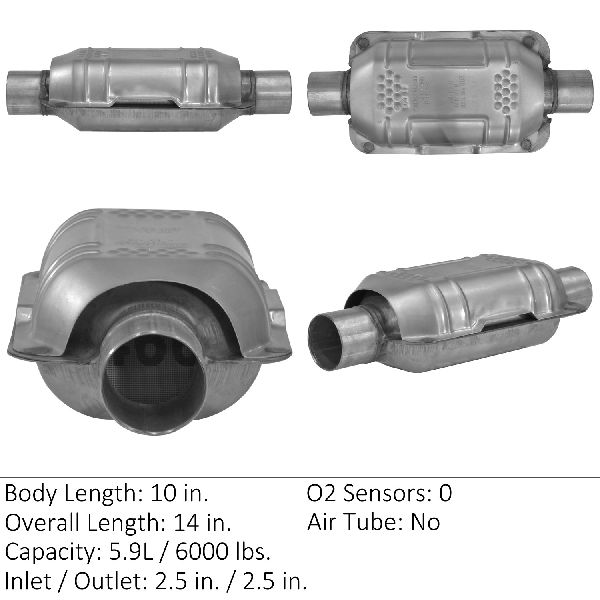
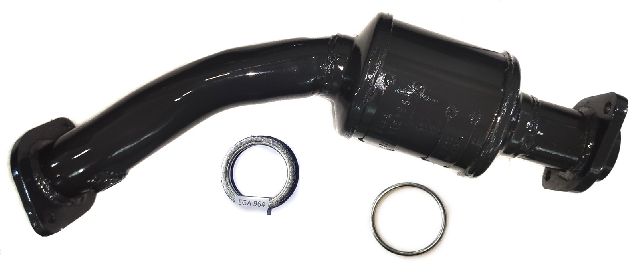
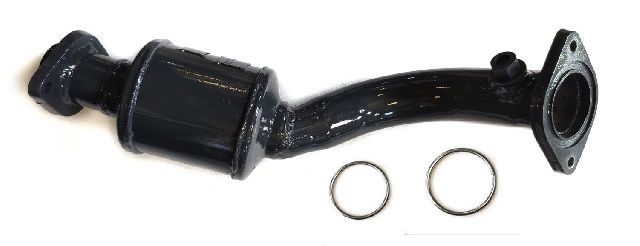
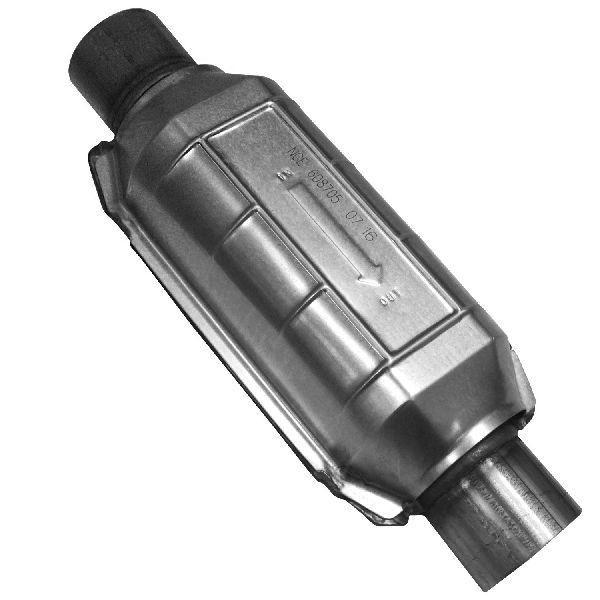
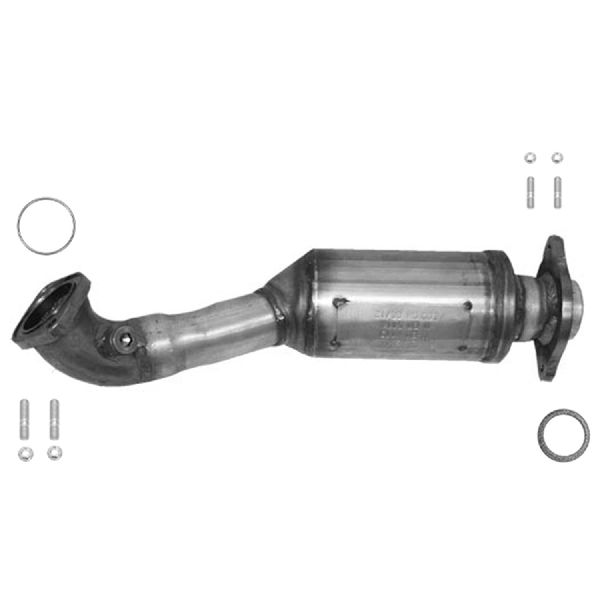
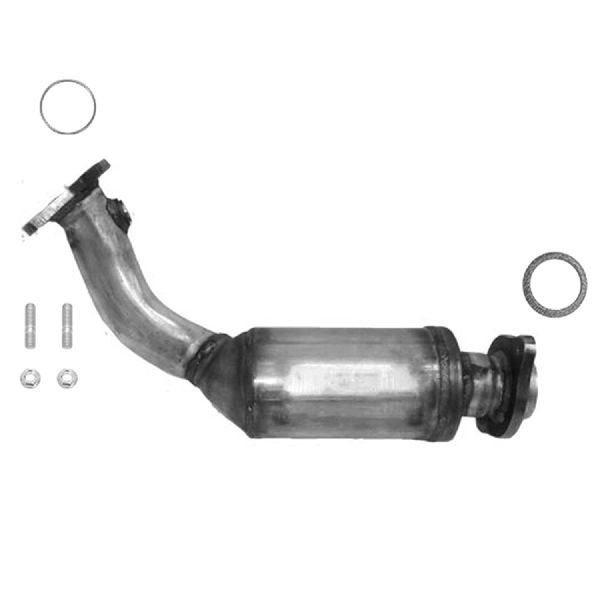

The information in this article is provided for general reference and educational purposes only. Vehicle specifications, procedures, and part compatibility can vary by production date, trim level, and region. Always consult your vehicle's factory service manual and verify part numbers before purchasing or performing repairs. Safety-critical components such as airbags, seat belts, and braking systems should be installed by a qualified professional.
- Cadillac SRX:
- 🎬 Helpful Videos
- 🛍️ Shop This Part
- Understanding Catalytic Converter Failure in Your SRX
- First vs. Second Generation SRX: What's Different?
- Choosing the Right Aftermarket Brand
- Cost of Replacing a Cadillac SRX Catalytic Converter
- Known Issues, Recalls, and TSBs
- Frequently Asked Questions
- 🎟️ Get 5% Off