

A Subaru Legacy Owner's Guide to Oxygen and Air/Fuel Sensors (2004-2015)
Learn how to choose the right oxygen sensor and avoid common issues for your 2004-2015 Legacy.
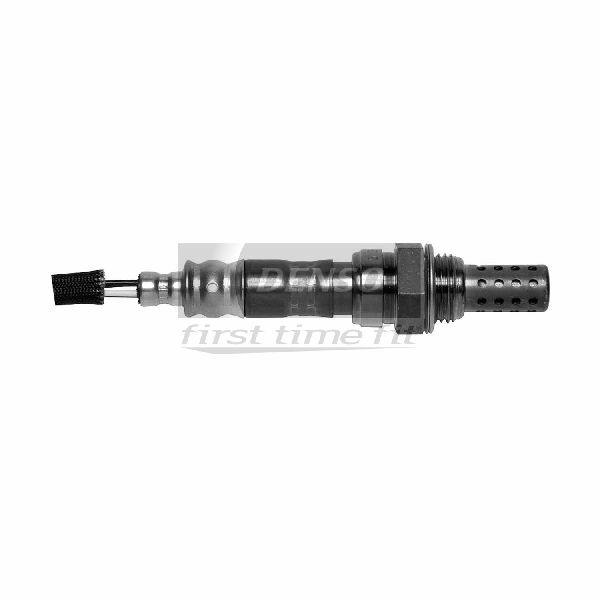
- For the front (upstream) sensor, use only an OEM-quality brand like Denso to avoid compatibility issues with the sensitive Subaru ECU.
- Confirm whether you need the front Air/Fuel Ratio sensor or the rear Oxygen Sensor before purchasing; they are different parts.
- A bad oxygen sensor will trigger a check engine light, reduce gas mileage, and can cause long-term damage to your catalytic converter.
- You will likely need a special oxygen sensor socket to remove the old sensor, which can be seized in the exhaust pipe.
Understanding Your Legacy's Oxygen Sensors

A failed oxygen sensor in your 2004-2015 Subaru Legacy can cause headaches, from a constant check engine light to poor gas mileage. These sensors are vital electronic components that wear out over time, typically between 60,000 and 100,000 miles. Your Legacy has at least two sensors: a critical front sensor that manages how your engine runs, and a rear sensor that monitors emissions. Getting the right replacement is key to avoiding repeat repairs.
Front vs. Rear: A Common Mistake
It is critical to understand that the front and rear sensors on your Legacy are not the same. Many owners order the wrong part, leading to frustration.
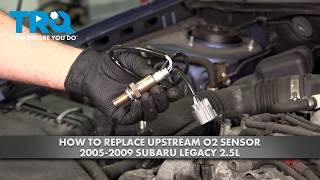
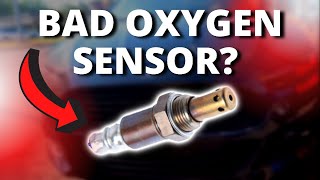
- Front Sensor (Upstream): This is an Air/Fuel (A/F) Ratio Sensor. It's a more complex, wideband sensor that provides precise, real-time data to the engine computer. It is the more expensive of the two and is crucial for engine performance. 🎬 Watch this step-by-step guide to replacing your upstream sensor.
- Rear Sensor (Downstream): This is a conventional Oxygen (O2) Sensor. Its main job is simpler: to check the efficiency of the catalytic converter. It is generally less expensive.
Symptoms of a Failing Oxygen Sensor

When a sensor starts to fail, your Legacy's computer may receive incorrect data, leading to several noticeable problems:
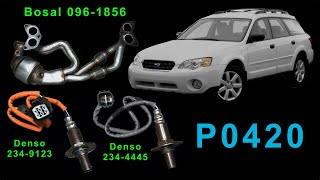
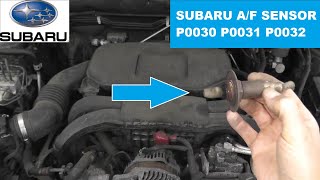
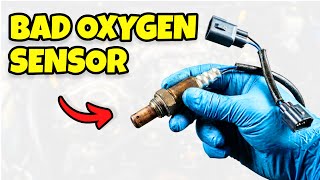
- Check Engine Light: This is the most common symptom. A code scanner will often point to a heater circuit failure (like P0031, P0037) 🎬 See how to fix a P0031 code on your Legacy. or a performance issue (like P0137, P0420).
- Poor Fuel Economy: The engine computer may enrich the fuel mixture to be safe, causing you to use more gas.
- Rough Idle or Hesitation: An imbalanced air/fuel ratio can cause the engine to run rough, hesitate during acceleration, or even stall.
- Failed Emissions Test: Incorrect fuel mixture leads to higher levels of pollutants in the exhaust, causing a failed smog check.
- Rotten Egg Smell: A strong sulfur smell from the exhaust can indicate an overly rich fuel mixture that may eventually damage the catalytic converter. 🎬 Watch a breakdown of these common bad sensor symptoms.
Choosing the Right Aftermarket Brand

For many parts, aftermarket brands offer a great value. However, Subaru engine management systems are notoriously sensitive. Based on owner feedback and mechanic experience, brand choice is extremely important for this part.
| Brand Tier | Brands | Honest Assessment for Subaru Legacy |
|---|---|---|
| OEM / Premium Choice | Denso, NGK/NTK | Denso is the original equipment supplier for Subaru. This is the safest and most recommended choice, especially for the sensitive front A/F sensor. NGK (NTK) is another high-quality OEM supplier that is generally reliable. |
| Reputable Aftermarket | Bosch, Delphi | While these are quality brands for many vehicles, they are often not recommended for modern Subarus. Owners have reported persistent check engine lights and performance issues after installing them, particularly for the front sensor. Use with caution. |
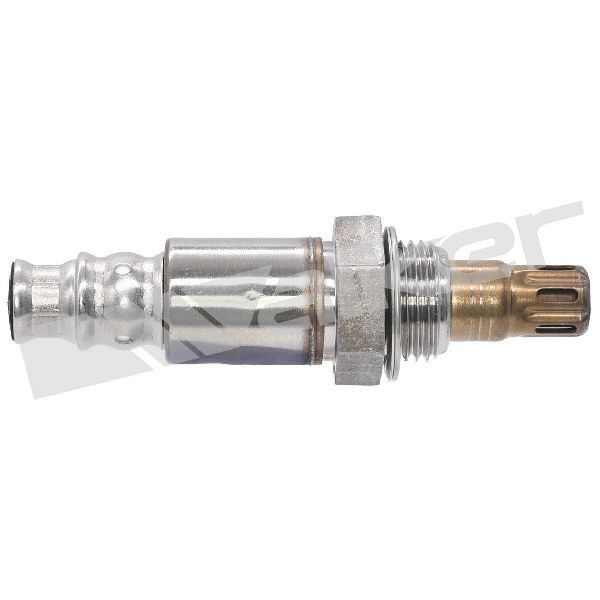
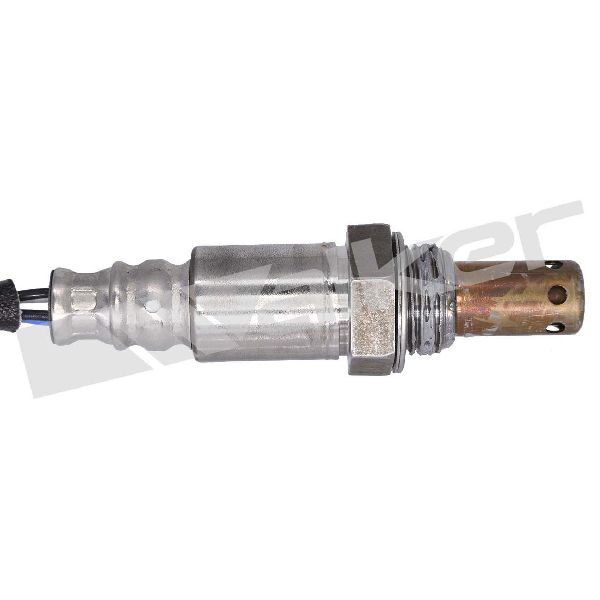
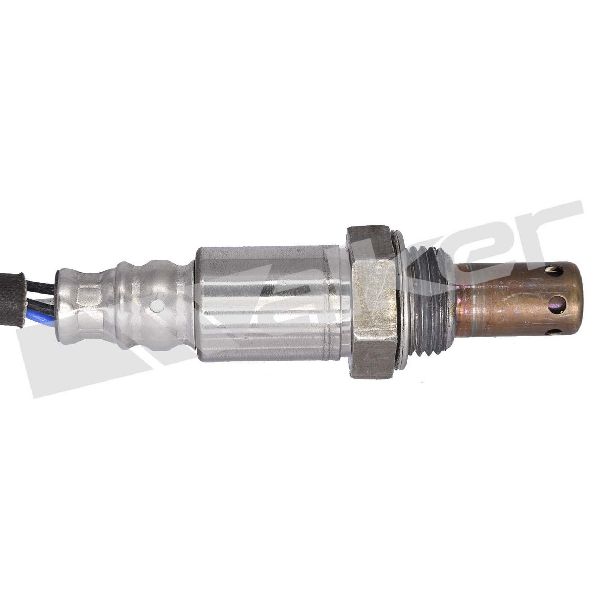
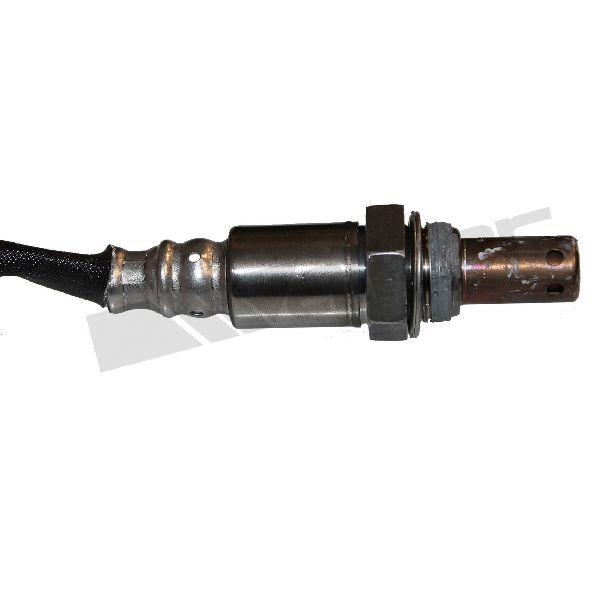
| Economy Brands | Walker Products, Spectra, DriveWire | These brands offer a low price point, but their use is discouraged for a Subaru Legacy. The risk of incorrect readings, premature failure, and persistent check engine codes is high. They are a gamble that often doesn't pay off. |
Known Issues: Service Program WXW-80

While there are no major government-mandated recalls for oxygen sensors on the 2004-2015 Legacy, Subaru did issue a service program (WXW-80) for some models. This program addressed an issue where the front air/fuel ratio sensor element could develop a crack and trigger the check engine light. If you are the original owner or have service records, you may be able to see if this service was performed on your vehicle.
Frequently Asked Questions (FAQ)

Do I need a special tool to replace an oxygen sensor?
Yes, it is highly recommended. A special tool called an oxygen sensor socket has a slit on the side for the sensor's wire to pass through. While you might be able to use a standard wrench on an easily accessible sensor, most are tight and require this specific socket. They are inexpensive and make the job much easier.
Why is the front sensor so much more expensive?
The front sensor is a wideband Air/Fuel ratio sensor, which uses more complex technology to provide a precise, variable reading of the air-fuel mixture. The rear sensor is a simpler, cheaper narrowband oxygen sensor that only detects if the mixture is rich or lean. The advanced technology in the A/F sensor accounts for the significant price difference.
Should I replace both sensors at the same time?
You don't have to, but it can be a good idea if they are both original and have high mileage. Oxygen sensors have a similar lifespan. If one has failed due to age, the other may not be far behind. Replacing them together can save you from having to do the job again in the near future.
Can I use a cheaper "universal" oxygen sensor?
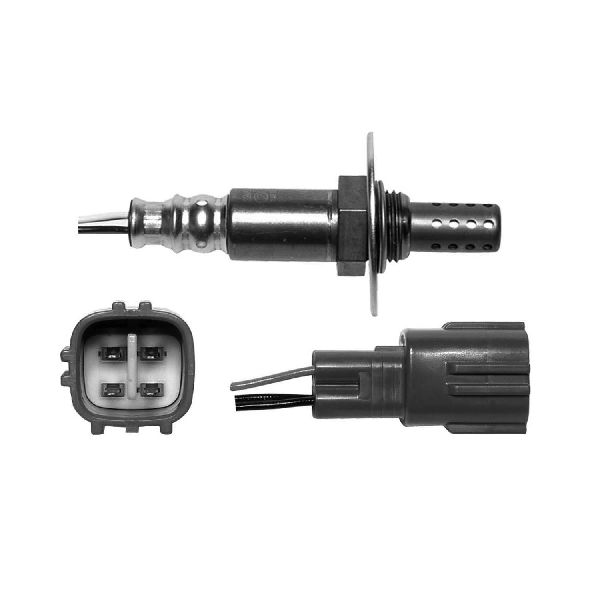
It is strongly advised not to. Universal sensors require you to cut your old sensor's wiring connector and splice it onto the new sensor. This introduces a potential point of failure. Given the sensitivity of the Subaru ECU, using a direct-fit Denso sensor is the best way to ensure a successful repair.
Helpful Videos
Technical Specifications
OEM Part Numbers: 22641AA650 22690AA91A 22690AA93A 22641AA13B 22690AA70A
Vehicle will have at least one upstream Air/Fuel (A/F) Ratio Sensor and one downstream Oxygen (O2) Sensor. The front sensor is a wideband type, while the rear is a narrowband type. Connectors and wire lengths are specific to the sensor's position and vehicle's engine/transmission combination. Always verify fitment by VIN.
We Have This Part in Stock

The information in this article is provided for general reference and educational purposes only. Vehicle specifications, procedures, and part compatibility can vary by production date, trim level, and region. Always consult your vehicle's factory service manual and verify part numbers before purchasing or performing repairs. Safety-critical components such as airbags, seat belts, and braking systems should be installed by a qualified professional.
- Subaru Legacy: