

Your Guide to the 2004-2014 Mazda 3 Mass Air Flow Sensor
Understanding and replacing the MAF sensor in your Mazda 3 to restore performance and fuel economy.
- A failing MAF sensor on a Mazda 3 causes issues like rough idle, poor acceleration, and bad gas mileage.
- Before replacing, try cleaning the sensor with dedicated MAF cleaner and check for vacuum leaks or a dirty throttle body.
- For replacement, Denso is the highly recommended OEM-equivalent brand for reliability and compatibility.
- Replacement is a very easy 15-minute DIY job requiring only a Phillips screwdriver.
Symptoms of a Failing MAF Sensor in a Mazda 3

When your Mazda 3's MAF sensor starts to fail, it sends incorrect information to the engine's computer. This can cause a variety of noticeable problems. You might not experience all of them, but even one or two can point to a faulty sensor.
- Check Engine Light: This is often the first sign. A code scanner will typically show codes like P0101, P0102, or P0103, which are related to the MAF sensor circuit.
- Rough Idle and Stalling: The engine may run rough, shake, or even stall when you're stopped. This happens because the wrong air-fuel mixture makes combustion unstable at low RPMs.
- Hesitation and Poor Acceleration: Your car might feel sluggish, hesitate, or jerk when you press the gas pedal.
- Bad Fuel Economy: If the sensor tells the computer there's more air than there actually is, the engine will use too much fuel, and you'll notice you're filling up the tank more often.
- Black Smoke from Exhaust: This is a sign that the engine is running "rich," meaning there's too much fuel and not enough air. This unburned fuel comes out as black smoke.
A Note on P0101 Code
🎬 Watch: Understanding the common causes of the P0101 fault code.While the P0101 code often points to a bad MAF sensor, it can also be caused by other issues on a Mazda 3. Before buying a new sensor, check for vacuum leaks (like a cracked intake hose), a dirty throttle body, or a bad ground wire for the sensor's connector, as these are also known culprits.
Choosing the Right Aftermarket MAF Sensor

When it comes to engine sensors for your Mazda 3, quality matters. While there are many brands available, they are not all created equal. Forum discussions with Mazda owners often show that using a very cheap, no-name aftermarket sensor can cause new problems or fail quickly.
| Tier | Brands | Description |
|---|---|---|
| OEM Equivalent | Denso, Hitachi | Denso is widely reported to be the original equipment manufacturer (OEM) for Mazda. Choosing a Denso-branded sensor is like getting the dealer part without the dealer markup. Hitachi is another highly-regarded Japanese manufacturer known for quality electronics. These are the most recommended choices for reliability. |
| Reputable Aftermarket | Delphi, NGK, Standard Ignition (SMP), Walker Products | These brands have a long history of producing reliable aftermarket parts. They are generally considered a safe bet if an OEM-equivalent part is not available or if you're looking for a solid mid-range option. |
| Budget / Remanufactured | Cardone, DriveWire, Global Parts, Spectra | These brands offer a more affordable price point. Cardone often sells remanufactured parts. While they can be a good value, their quality can sometimes be inconsistent. These are best considered if budget is the primary concern, but be aware of the potential for a shorter lifespan or performance issues. |
Pro Tip: Many Mazda owners recommend sticking with Denso or an OEM part for the MAF sensor to avoid compatibility issues. An incompatible aftermarket sensor can sometimes cause the same P0101 code you're trying to fix.
Frequently Asked Questions (FAQ)

Can I just clean my Mazda 3's MAF sensor?
Yes, and it's often the first step you should take. Sometimes, dirt or oil (especially from an over-oiled aftermarket air filter) can contaminate the sensor's delicate wires. Use a dedicated MAF sensor cleaner spray 🎬 See how to safely clean your Mazda 3 MAF sensor.—never use brake cleaner or carb cleaner, as they can damage the sensor. If cleaning solves the problem but it returns quickly, the sensor is likely failing and needs replacement.
Is replacing the MAF sensor a DIY job?
Absolutely. For the 2004-2014 Mazda 3, this is one of the easiest repairs you can do. The sensor is located on the air intake tube and is held in by two Phillips head screws and an electrical connector. The entire job can be done in about 10-15 minutes 🎬 Follow this step-by-step walkthrough to replace the sensor yourself. with just a screwdriver.
Do I need to disconnect the battery or reset the computer?
It's good practice to disconnect the battery's negative terminal before working on any electrical component. After replacing the sensor, the computer should eventually adapt on its own. However, for best results, you can clear the Check Engine Light codes with an OBD-II scanner or disconnect the battery for about 15 minutes to reset the ECU. Let the car idle for several minutes after starting it for the first time to help the computer relearn.
Are there any recalls for the MAF sensor on the 2004-2014 Mazda 3?
Based on searches of the NHTSA database, there are no specific recalls for the Mass Air Flow sensor on the 2004-2014 Mazda 3 models. Any issues with the sensor are generally addressed as individual repairs.
Helpful Videos
Technical Specifications
OEM Part Numbers: L321-13-215 ZL01-13-215 L3K9-13-215-9U PYFS-13-215
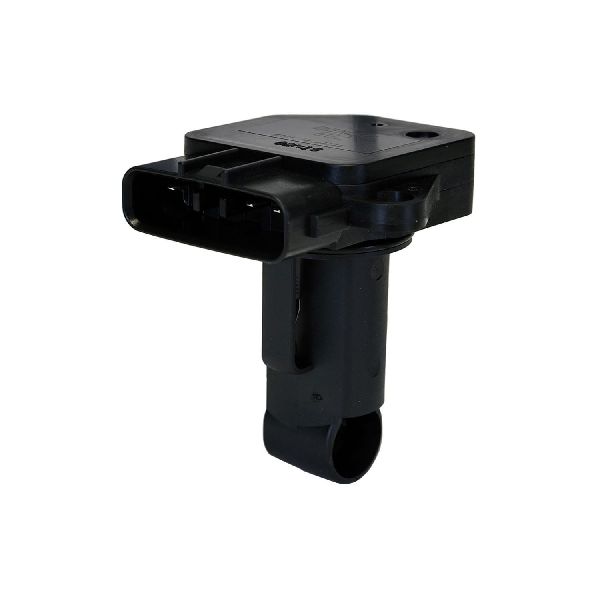
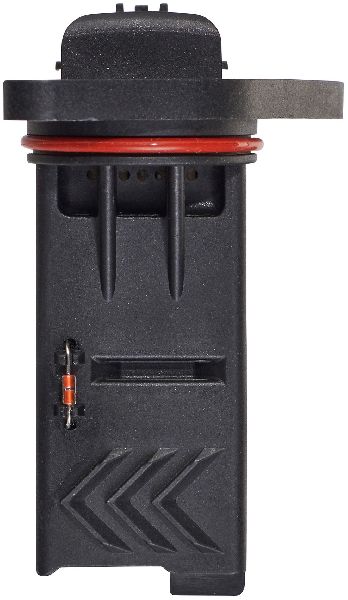
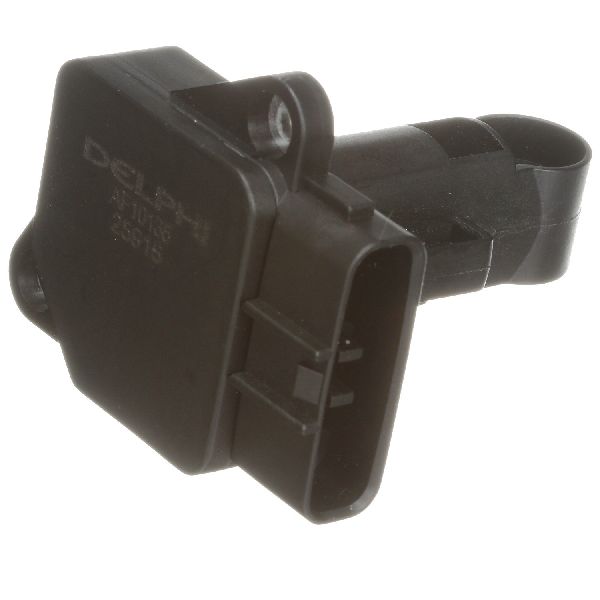
The MAF sensor for the 2004-2014 Mazda 3 is a 'hot-wire' type sensor that mounts to the air filter housing with two screws and uses a 5-pin electrical connector. Part numbers can vary between the 2.0L, 2.3L, and 2.5L engines, so always verify fitment.
We Have This Part in Stock



The information in this article is provided for general reference and educational purposes only. Vehicle specifications, procedures, and part compatibility can vary by production date, trim level, and region. Always consult your vehicle's factory service manual and verify part numbers before purchasing or performing repairs. Safety-critical components such as airbags, seat belts, and braking systems should be installed by a qualified professional.
- Mazda 3: