

A Mazda 3 Owner's Guide to Engine Mounts for 2004-2014 Models
Solve your Mazda 3's vibration problems by understanding and choosing the right engine mount.
- The passenger-side hydraulic engine mount is the most common failure point, causing severe vibration at idle.
- For a smooth, factory-like ride, choose an OEM or a high-quality hydraulic aftermarket mount; cheap solid rubber mounts often increase vibration.
- Replacing only the failed passenger-side mount is a common and effective DIY repair that takes 1-2 hours.
- Be sure to order the correct part for your specific year and engine, as designs differ, especially for 2012-2014 Skyactiv models.
Is Your Mazda 3 Shaking at Stoplights?

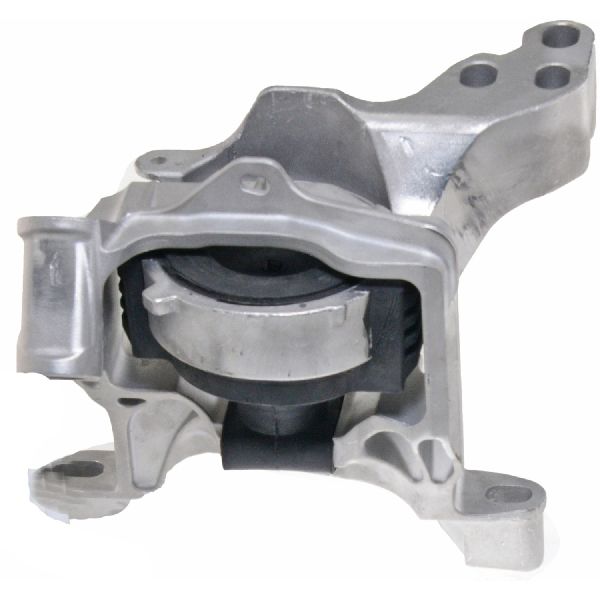
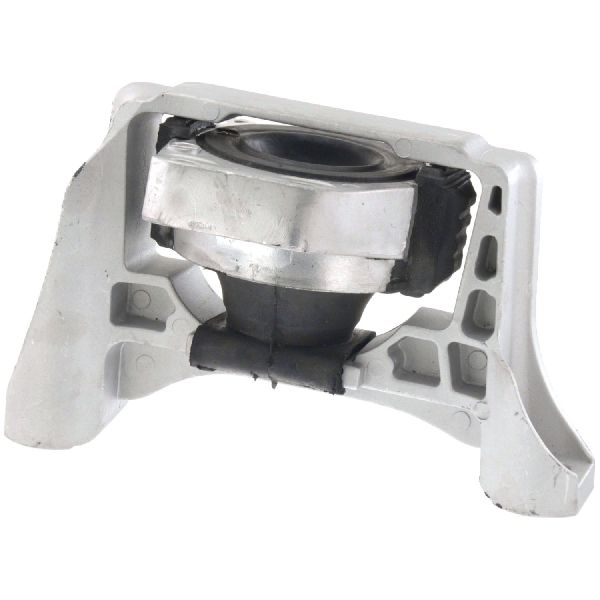
One of the most common complaints from 2004-2014 Mazda 3 owners is a strong vibration felt through the steering wheel and seats, especially when the car is stopped in Drive. More often than not, the culprit is a failed passenger-side engine mount. This specific mount is hydraulic, meaning it's filled with fluid to effectively dampen engine vibrations. Over time, this mount can leak its fluid, causing the rubber to collapse and the engine to rest on the metal frame, transferring all its vibrations directly to you.
A Very Common Failure Point
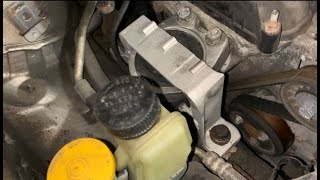
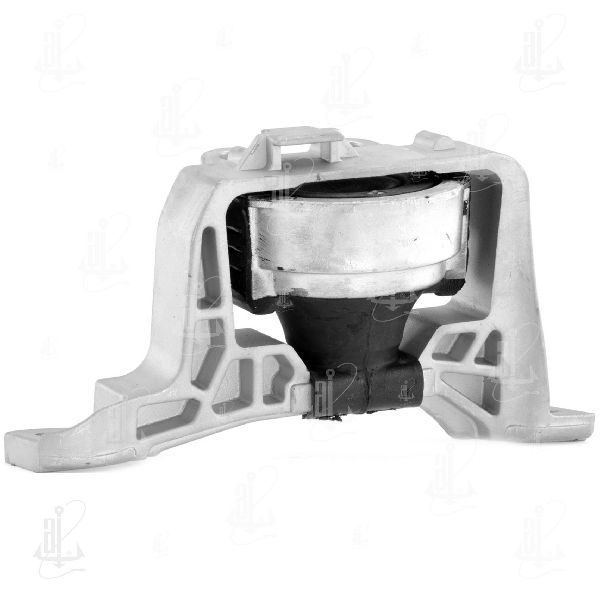
The passenger-side hydraulic mount is the number one engine mount to fail on this generation of Mazda 3. A visual inspection often reveals black fluid stains on the mount itself or on the frame rail below it. You might also see that the mount has visibly sagged or cracked.
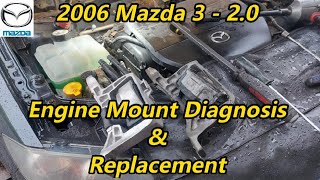
🎬 Watch: How to diagnose bad mounts and estimate repair costs.Choosing the Right Aftermarket Engine Mount

When shopping for a replacement, you'll find a wide range of quality and price. Not all aftermarket mounts are created equal, and the cheapest option can sometimes make the vibration problem worse.
Economy Brands (Standard Replacement)
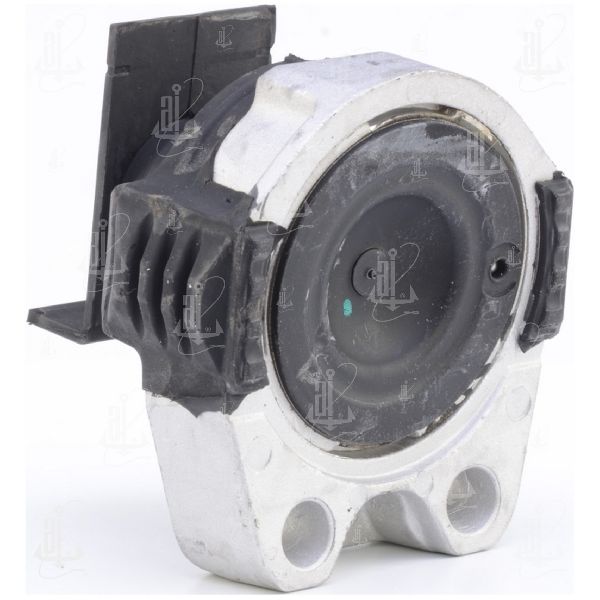
Brands like Anchor, DEA, and Westar offer budget-friendly replacements. However, many of these are solid rubber instead of fluid-filled. While a solid mount will hold the engine in place, it won't absorb vibrations as well as the original hydraulic design. Many owners report that these mounts cause a constant, noticeable vibration, even if they fix the violent shaking from a completely failed mount. They are a functional, low-cost fix, but you will likely sacrifice smoothness.
Performance Brands (Polyurethane Upgrade)
Brands like Whiteline and AWR offer performance mounts made from polyurethane, a much stiffer material than rubber. These are designed for enthusiasts who want to reduce engine movement for better throttle response and shifting feel. The major trade-off is a significant increase in Noise, Vibration, and Harshness (NVH). These are not recommended if your priority is a comfortable, quiet daily driver.
OEM vs. Aftermarket: The Honest Truth
For a daily-driven Mazda 3, an OEM (Original Equipment Manufacturer) mount or a high-quality aftermarket part that specifically replicates the hydraulic design is the best choice for a smooth, vibration-free ride. Many forum users who tried cheap aftermarket mounts ended up replacing them with an OEM part later to get rid of the constant vibrations.
Cost to Replace a Mazda 3 Engine Mount

| Part Type | Estimated Cost |
|---|---|
| New Aftermarket Mount | $23 - $125 |
| New OEM Mount (Part Only) | $250 - $300 |
| Shop Labor | $75 - $150 |
| Total Professional Replacement | $360 - $830+ |
Frequently Asked Questions

How many engine mounts does my 2004-2014 Mazda 3 have?
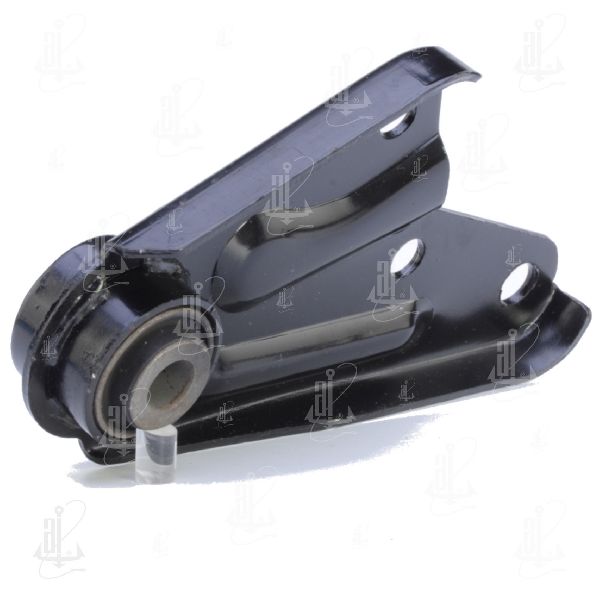
Your Mazda 3 has three main mounts: a passenger-side mount (the most common to fail), a driver-side transmission mount, and a rear lower engine mount (also called a torque strut).
🎬 Watch: How to remove and replace the rear torque strut.Should I replace all three mounts at once?
It's not always necessary. If the passenger-side mount has clearly failed and the others look okay, you can replace just the one. However, if your car has high mileage or the other mounts show signs of cracking or wear, replacing them as a set can prevent future issues and ensure the new mount isn't stressed by old, worn ones.
What's the difference between a hydraulic and a solid rubber mount?
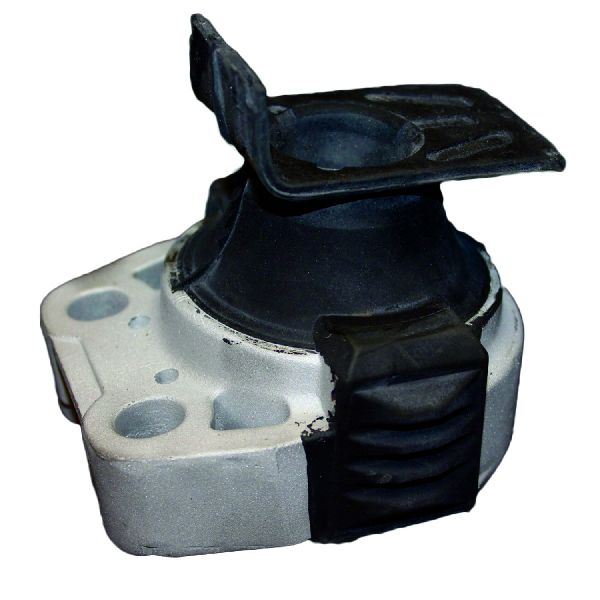
A hydraulic mount is fluid-filled and designed to absorb a wide range of vibrations, providing a smoother and quieter ride. A solid rubber mount is simpler and cheaper but transmits more engine vibration into the car's cabin. The original Mazda 3 passenger-side mount is hydraulic for comfort.
Why did my car vibrate MORE after installing a new aftermarket mount?
This is a common result of installing a cheap, solid rubber aftermarket mount. The new mount is stiff and lacks the fluid-damping properties of the original, leading to increased idle vibrations compared to a worn-out, but still partially functional, OEM mount.
Is replacing the passenger-side mount a DIY job?
Yes, for many people it is. The job requires basic hand tools (like a 17mm socket), a floor jack, and a block of wood to safely support the engine while you swap the mount. The process takes about 1-2 hours for a first-timer.
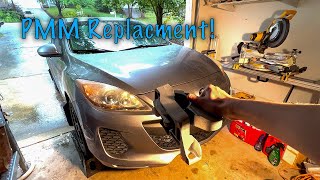
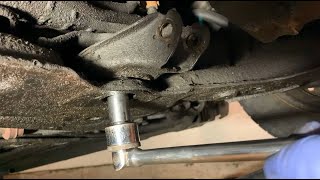
🎬 See this step-by-step walkthrough for replacing the passenger mount.Helpful Videos
Technical Specifications
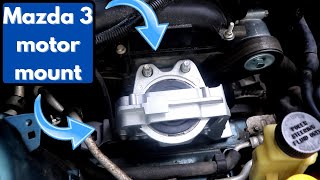
The Mazda 3 uses a three-point engine mounting system: a hydraulic mount on the passenger side (No. 3 mount), a rubber transmission mount on the driver's side, and a rear lower torque strut (No. 4 mount).
We Have This Part in Stock

The information in this article is provided for general reference and educational purposes only. Vehicle specifications, procedures, and part compatibility can vary by production date, trim level, and region. Always consult your vehicle's factory service manual and verify part numbers before purchasing or performing repairs. Safety-critical components such as airbags, seat belts, and braking systems should be installed by a qualified professional.
- Mazda 3: