

Ford Mustang Horn Replacement Guide for 2004-2014 Models
If your Mustang's horn sounds weak or has stopped working, this guide will help you diagnose the problem and choose the right replacement.
- A weak horn is the most common problem and usually means only one of the two factory horns has failed.
- Before replacing the horn, check the fuse (#24 on 2010-2014 models) and the horn relay.
- If the horn works with the key fob but not the steering wheel, the issue is the clock spring, not the horn itself.
- Replacement is easy for a DIYer; the horns are located directly behind the grille and can be swapped in under an hour.
Is Your Mustang's Horn Sounding Off?

A common complaint among Mustang owners from this generation is a horn that sounds weak or "anemic." Often, this isn't a complete failure, but a problem with one of the two horns in the system. If the low-tone horn stops working, you're left with only the high-pitched one, resulting in a sound that lacks authority. In other cases, the horn may not work at all, which can be caused by anything from a simple fuse to the horn assembly itself.
Common Failure Symptoms

- Weak or High-Pitched Sound: This is the most common symptom and usually means one of the two horns (high or low) has failed.
- No Sound at All: If you press the horn and get silence, the problem could be a blown fuse, a bad relay, a failed clock spring in the steering column, or both horns have failed.
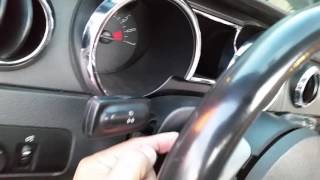
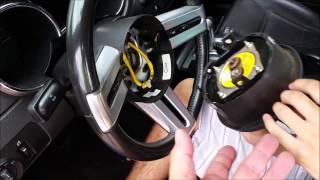
- Horn Works When Locking, Not When Driving: If the horn chirps when you lock the car with your key fob but doesn't work from the steering wheel, the horn itself is fine. The problem is almost certainly a failed clock spring. The clock spring is an electrical connector in your steering column that allows the steering wheel to turn while maintaining a connection for the airbag and horn. 🎬 See this step-by-step guide to replacing a clock spring
Pro Tip: Diagnose Before You Buy
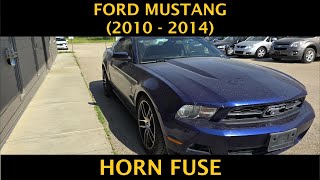
Before ordering a new horn, check the basics. For 2010-2014 models, the horn fuse is #24 (a 20A fuse) located in the passenger cabin fuse box. 🎬 Watch: How to find your horn fuse location For all models, you can also check the horn relay in the under-hood fuse box. If the fuse and relay are good, and your horn works with the key fob, the issue is likely the clock spring, not the horn itself.
Choosing the Right Aftermarket Horn

When it's time to replace your horn, you have a couple of good aftermarket options that fit your Mustang.
Good: Replacement Brand Horn
A "Replacement" brand horn is a direct, OE-style part. It's designed to restore the original sound and function of your factory horns. This is an excellent choice if you just want to fix the problem on a budget and aren't looking for an upgrade. It will provide the correct dual-tone sound and is a simple, bolt-on solution.
Better: Hella Horns
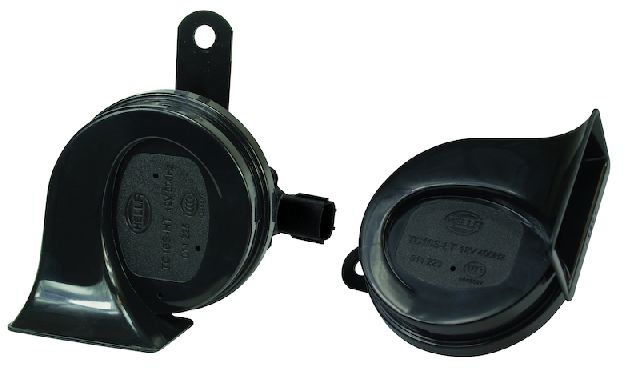
Hella is a well-known brand that offers an upgrade in both volume and tone. They are often louder and have a more distinct, European sound compared to the factory horns. While they can be wired directly into the factory harness for a simple installation, they achieve their maximum loudness when installed with a separate relay connected to the battery. For Mustang owners looking for a more aggressive and noticeable horn, Hella is a popular upgrade.
| Part Type | Estimated Cost |
|---|---|
| New OEM Horn Set | $80 - $150 |
| New Aftermarket Horn Set | $45 - $72 |
| Shop Labor for Installation | $75 - $150 |
A Note on Water Damage
Because of their location behind the grille, the horns are exposed to the elements. Driving through deep water or even heavy car washes can sometimes cause water to enter the horn, resulting in a muffled sound or complete failure. If your horn starts acting up after getting wet, it may recover once it dries out, but repeated exposure can lead to permanent damage.
Frequently Asked Questions (FAQ)

Why does my Mustang horn sound so weak?
Your Mustang has a two-horn system (high and low tone). A weak or high-pitched sound usually means the low-tone horn has failed, and you're only hearing the high-tone one. This is a very common issue.
Where is the horn located on a 2004-2014 Mustang?
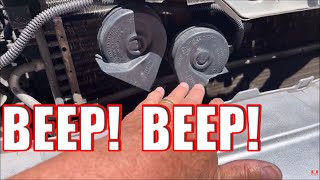
The horns are mounted together on a bracket located directly behind the front grille, in front of the radiator.
Is replacing the horn on my Mustang difficult?
No, it is a relatively easy job that most DIY mechanics can complete in under an hour. It involves removing the plastic radiator cover, unbolting the horn assembly (usually two bolts), disconnecting the wire harness, and then installing the new part. You typically do not need to remove the entire front bumper.
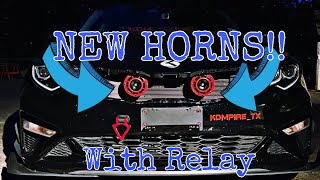
🎬 Watch: A quick walkthrough for replacing your Mustang hornsMy horn works when I lock the car but not from the steering wheel. Do I need a new horn?
No, you likely do not need a new horn. This specific symptom points to a failure in the clock spring located in the steering column. The horn itself is working, but the signal from the steering wheel button isn't reaching it.
Are there any recalls for the horn on my Mustang?
No, searches of the National Highway Traffic Safety Administration (NHTSA) database and other sources did not show any recalls or technical service bulletins (TSBs) specifically for the horn on 2004-2014 Ford Mustangs.
Helpful Videos
Technical Specifications
System Type: Dual-tone (High and Low Note). Location: Behind front grille, mounted to radiator support.
We Have This Part in Stock

The information in this article is provided for general reference and educational purposes only. Vehicle specifications, procedures, and part compatibility can vary by production date, trim level, and region. Always consult your vehicle's factory service manual and verify part numbers before purchasing or performing repairs. Safety-critical components such as airbags, seat belts, and braking systems should be installed by a qualified professional.
- Ford Mustang: