

Acura TSX Ignition Coil Guide (2004-2014): Symptoms, Brands, and Replacement
Experiencing engine misfires or a rough idle in your TSX? Your ignition coils might be the problem.
- Ignition coil failure is common and causes misfires (codes P0301-P0304).
- For best results, stick to OEM supplier brands like Hitachi, NGK, or Denso.
- Replacement on the 4-cylinder engine is very easy for DIYers; the V6 is more difficult.
- It is highly recommended to replace all coils and spark plugs at the same time for reliability.
Is Your TSX Running Rough? It Could Be an Ignition Coil.

Ignition coil failure is a common issue on many vehicles as they age, including the 2004-2014 Acura TSX. These parts are subject to high temperatures and constant vibration, which eventually causes them to wear out. When a coil fails, it can't deliver the necessary voltage to the spark plug, leading to a cylinder misfire. This can manifest as a rough idle, poor acceleration, reduced fuel economy, and a flashing check engine light. Fortunately, on the TSX, especially the 4-cylinder models, replacing ignition coils is a straightforward job you can often do yourself.
Choosing the Right Aftermarket Ignition Coil for Your TSX

When it comes to replacing ignition coils, you have options. While you can always get the part from an Acura dealership, high-quality aftermarket brands can offer the same performance for less money. For a critical ignition component, it's best to stick with reputable brands.
Aftermarket Brand Quality Tiers
| Tier | Brands | Assessment |
|---|---|---|
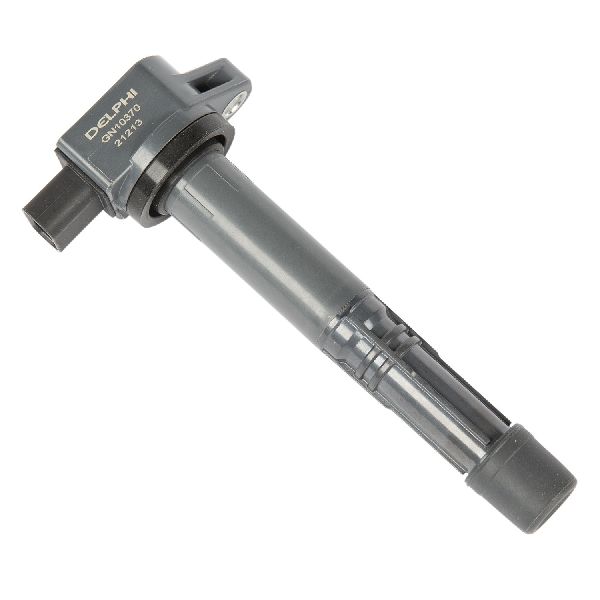
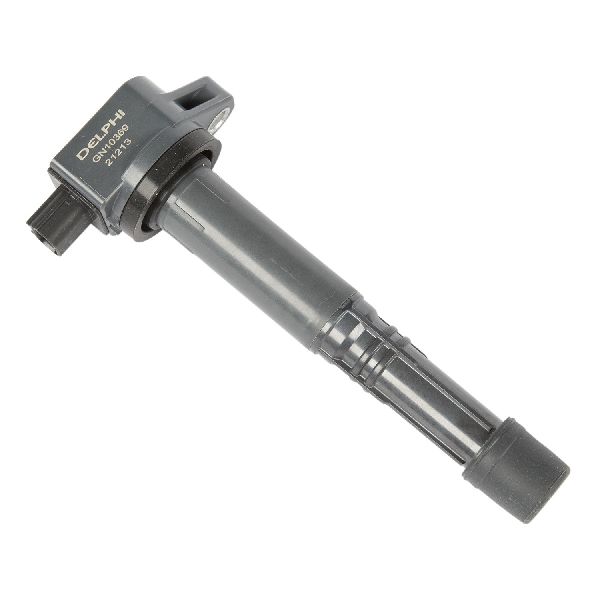
| OEM Supplier / Premium Aftermarket | Hitachi, NGK, Denso, Delphi | These brands are often the original equipment manufacturers for Honda/Acura. Choosing one of these is the safest bet for reliability and performance that matches or exceeds the factory part. Forum users and mechanics frequently recommend NGK, Denso, and Hitachi for the TSX. |
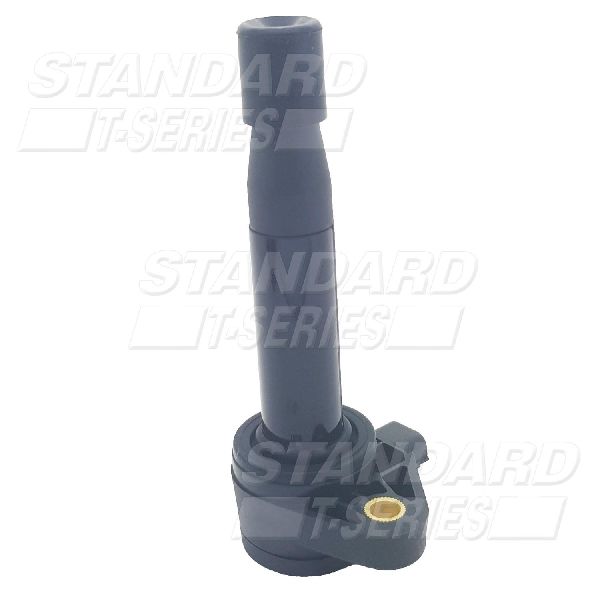
| Quality Mid-Range Aftermarket | Standard Motor Products (SMP), Walker, Hella, Holstein | These are well-known aftermarket brands that produce reliable parts. They offer a good balance of quality and price, though they may not be the original supplier for your specific vehicle. |
| Economy / Budget | DriveWire, URO Parts, Skyward, True Tech | These brands provide a lower-cost alternative. While functional, their longevity and performance may not match that of premium brands. Some owners report needing to replace cheaper coils more frequently. Using these might be a temporary fix, but for long-term reliability, investing in a higher-tier brand is recommended. |
Pro Tip: When one ignition coil fails, it's often a sign that the others may not be far behind, especially on higher-mileage cars. Many owners choose to replace all ignition coils and spark plugs at the same time to ensure reliability and restore engine performance. This is especially true if you are using budget-friendly coils, which may not last as long.
Known Issues, Recalls, or TSBs
Searches for the 2004-2014 Acura TSX did not reveal any specific recalls or widespread Technical Service Bulletins (TSBs) directly for ignition coil failure. However, there was a recall for 2004-2008 models concerning potential corrosion of the Engine Control Module (ECM/PCM) in states that use road salt. A faulty ECM can cause various issues, including engine stalling, so it's important to ensure this recall has been addressed on your vehicle. Additionally, a TSB was issued for 2009-2010 models for engine pinging, which involves replacing the knock sensor and updating the engine's software to adjust ignition timing.
4-Cylinder vs. V6 Engine Differences

The majority of TSX models are equipped with a 4-cylinder (K24) engine. On these engines, all four ignition coils are easily accessible on top of the engine under a plastic cover. Some second-generation models (2010-2014) were available with a 3.5L V6 (J35) engine. On the V6, three coils are easy to access at the front of the engine, but the three for the rear cylinders are harder to reach, making the job more involved.
Frequently Asked Questions (FAQ)

How do I know if my ignition coil is bad?
The most common signs are a flashing check engine light, a rough engine idle, hesitation or loss of power when accelerating, and worse fuel mileage. An OBD-II scanner can read the trouble codes; codes P0301, P0302, P0303, or P0304 indicate a misfire in a specific cylinder (1, 2, 3, or 4). Codes P0351 through P0354 point more directly to a malfunction in the ignition coil circuit itself.
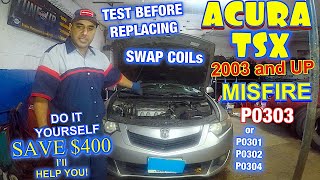
🎬 Learn how to perform a coil swap test for misfires.Should I replace all ignition coils at once?
It is highly recommended. Ignition coils on a car are the same age and have endured the same conditions. If one has failed, others are likely to fail soon. Replacing them all at once, along with the spark plugs, is good preventative maintenance and can save you from future breakdowns.
Is it hard to replace Acura TSX ignition coils myself?
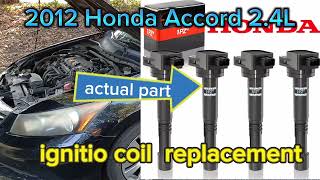
For the 4-cylinder engine, this is a very easy DIY job that most people can do in under an hour with basic tools 🎬 Watch this quick guide to replacing 2.4L TSX ignition coils. (a 10mm socket and ratchet). The coils are located directly on top of the engine. For the V6 engine, the rear coils are more difficult to access and may be challenging for a beginner.
Do I need to put dielectric grease on the new coils?
While not strictly necessary, applying a small amount of dielectric grease to the inside of the coil boot before installing it on the spark plug is a good practice. It helps prevent corrosion, makes future removal easier, and ensures a good seal against moisture.
Helpful Videos
Technical Specifications
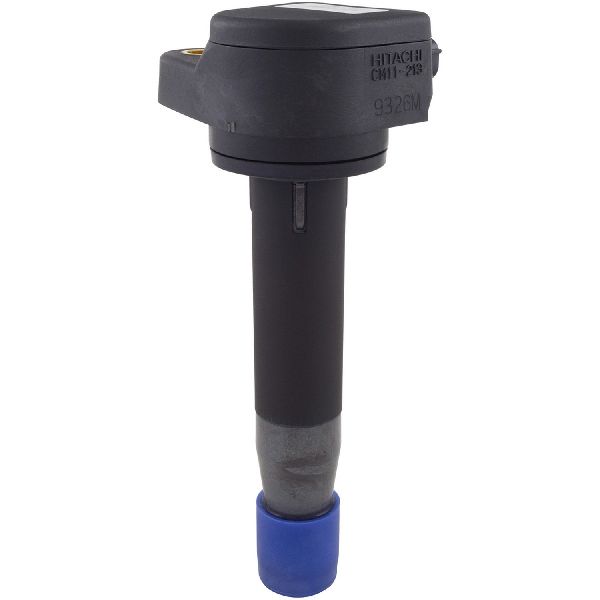
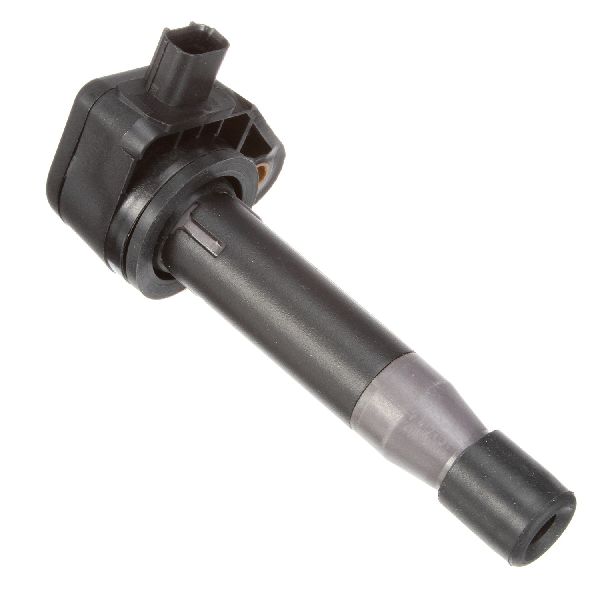
OEM Part Numbers: 30520-R40-A01 30520-PNA-007 30520-R70-A01
The Acura TSX uses a coil-on-plug (COP) ignition system. Each cylinder has an individual ignition coil. The 2004-2008 4-cylinder models use a different coil than the 2009-2014 4-cylinder models. The V6 engine uses a different coil altogether. Always verify the correct part number for your specific year and engine.
We Have This Part in Stock


The information in this article is provided for general reference and educational purposes only. Vehicle specifications, procedures, and part compatibility can vary by production date, trim level, and region. Always consult your vehicle's factory service manual and verify part numbers before purchasing or performing repairs. Safety-critical components such as airbags, seat belts, and braking systems should be installed by a qualified professional.
- Acura TSX: