

Mitsubishi Galant (2004-2012) Oxygen Sensor: A Complete Guide
Fixing your Galant's Check Engine Light often starts with understanding its oxygen sensors.
- A bad oxygen sensor will almost always trigger the Check Engine Light and hurt your gas mileage.
- Your Galant has either two (4-cylinder) or four (V6) oxygen sensors; you only need to replace the one that has failed.
- For best results, choose a direct-fit sensor from an OEM-equivalent brand like Denso or NGK/NTK.
- Replacing an O2 sensor is a manageable DIY job, but the sensor can be difficult to remove if it's rusted in place.
Understanding Oxygen Sensor Failure in Your Galant


When an oxygen sensor fails, it can't send the right information to your car's computer. This usually leads to a few common and noticeable problems. 🎬 Watch this video to learn more about bad oxygen sensor symptoms. Ignoring these signs can lead to more expensive repairs, like a damaged catalytic converter, down the road.
Choosing the Right Aftermarket Oxygen Sensor
You don't have to buy the most expensive OEM part from a dealer. Many aftermarket brands offer excellent quality, and some are even the original manufacturers for Mitsubishi. When choosing a replacement, it's important to select a reputable brand to avoid issues. Cheap, unbranded sensors can sometimes fail quickly or provide inaccurate readings, keeping the Check Engine Light on.
Here’s a breakdown of trusted brands for your 2004-2012 Galant:
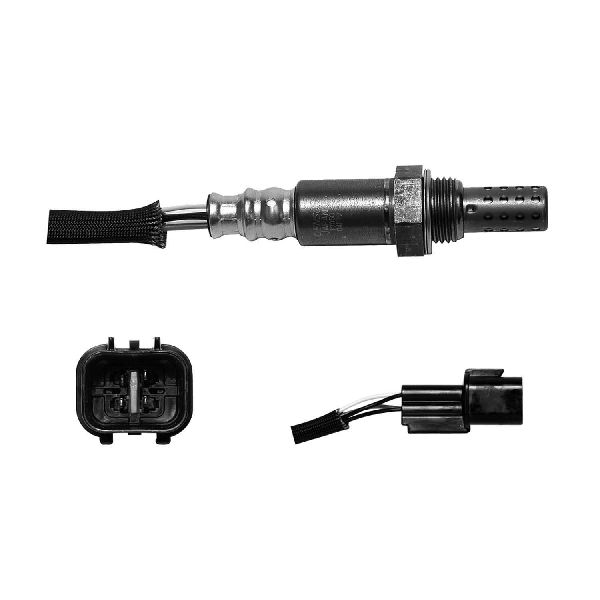
- Tier 1 (OEM or Equivalent): Denso and NGK (NTK) are highly recommended. Denso is a known original equipment supplier for many Japanese vehicles, including Mitsubishi, making their aftermarket parts a reliable, direct-fit choice. These brands are praised by mechanics and owners for their reliability and precise fit.
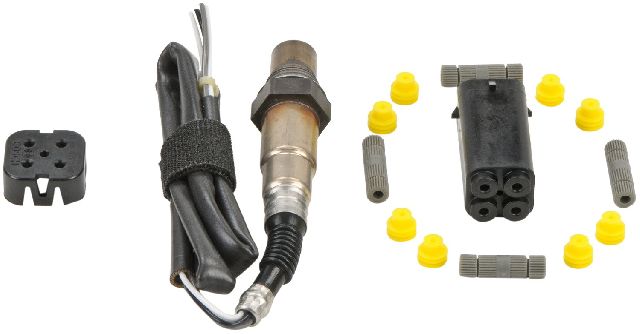
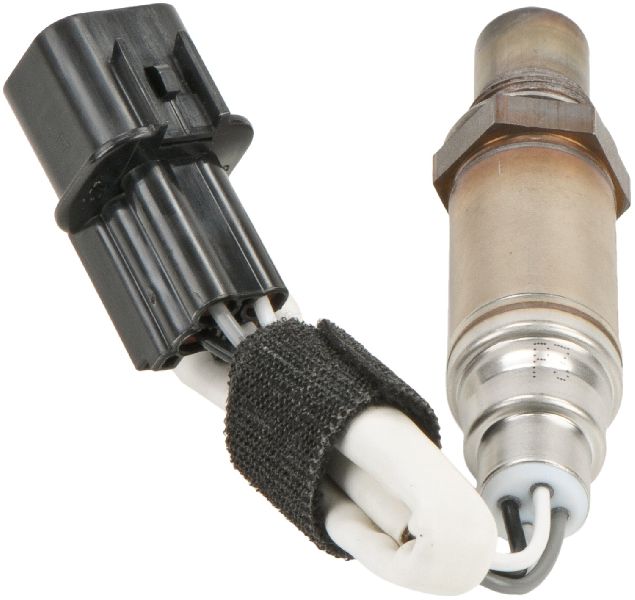
- Tier 2 (Quality Aftermarket): Bosch is a well-known brand that invented the automotive oxygen sensor. While some users prefer to stick with Japanese brands like Denso for a Japanese car, Bosch offers direct-fit and universal sensors that are a solid alternative to OEM. Delphi is another established brand providing reliable options.
- Tier 3 (Budget-Friendly): Brands like DriveWire, Spectra, and Walker Products offer more affordable sensors. These can be a good choice if budget is the main concern, but be aware that quality and longevity might not match the higher-tiered brands.
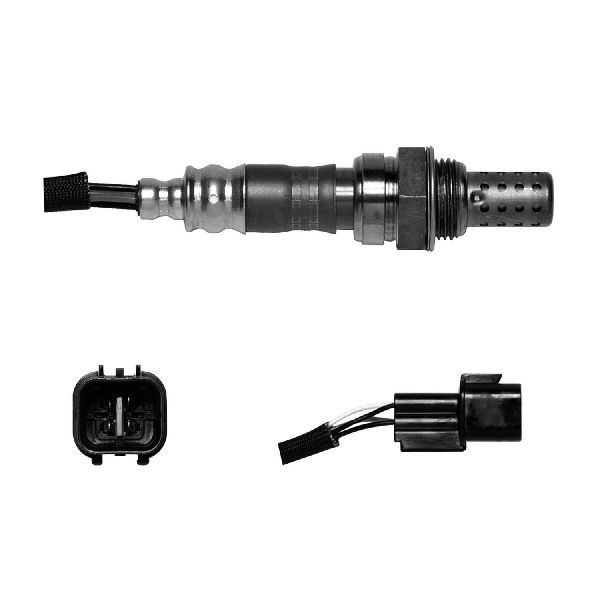
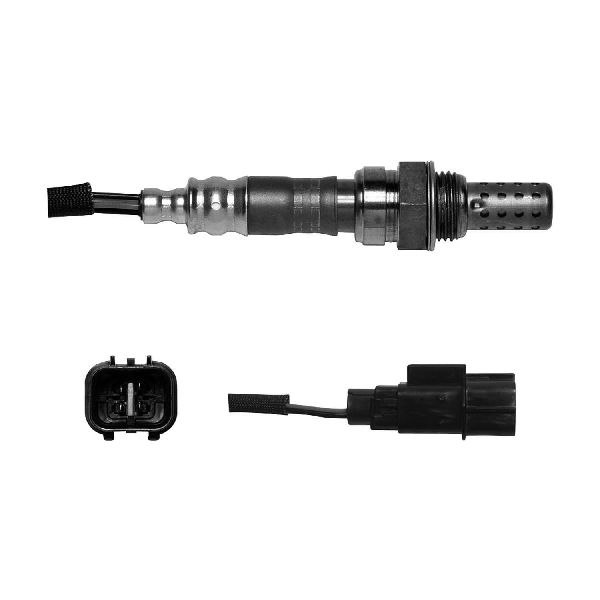
Pro Tip: Always choose a "direct-fit" sensor when possible. These come with the correct plug for your Galant's wiring harness, making installation much easier 🎬 See how to replace an oxygen sensor on a 2005 Galant. than a "universal" sensor that requires splicing wires.
Estimated Cost Comparison
| New OEM Part | $144 - $393 |
| New Aftermarket Part | $24.52 - $150.40 |
| Shop Labor | $55 - $81 |
Frequently Asked Questions


How many oxygen sensors does my 2004-2012 Galant have?
It depends on your engine. The 2.4L 4-cylinder engine typically has two sensors: one upstream (before the catalytic converter) and one downstream (after the converter). The 3.8L V6 engine will have four sensors: two upstream and two downstream, one for each cylinder bank.
What's the difference between an upstream and downstream sensor?
The upstream sensor (also called Sensor 1 or an air/fuel ratio sensor) is located before the catalytic converter. Its main job is to provide real-time feedback for the engine to adjust the air-fuel mixture. The downstream sensor (Sensor 2) is located after the catalytic converter and its job is to monitor the converter's efficiency by comparing its reading to the upstream sensor.
What are common mistakes when ordering?
The most common mistake is mixing up upstream and downstream sensors, or Bank 1 and Bank 2 on V6 models. They are not interchangeable. A Reddit user with a 2004 Galant noted buying a sensor that had a cord that was too short because the part store's information was confusing. Always double-check the sensor's position (e.g., Bank 1 Sensor 1, Bank 2 Sensor 2) and compare the wire length of the new part to your old one before installation.
Can I replace just one oxygen sensor?
Yes. You only need to replace the sensor that has failed and triggered the trouble code. However, oxygen sensors have a limited lifespan, typically around 100,000 miles. If your Galant has high mileage and one sensor fails, the others may not be far behind. Some mechanics recommend replacing them in pairs (e.g., both upstream sensors on a V6) for balanced performance, but it is not required.
What tools do I need to replace an O2 sensor?
You will typically need a special oxygen sensor socket, which has a slot for the wire to pass through. You'll also need a ratchet and possibly a penetrating oil like PB Blaster to help loosen the old sensor, as they can be seized in the exhaust pipe due to heat and rust.
Known Issues & Recalls
As of early 2026, there are no specific recalls or widespread Technical Service Bulletins (TSBs) from the National Highway Traffic Safety Administration (NHTSA) for oxygen sensor failure on the 2004-2012 Mitsubishi Galant. Failures are generally due to normal wear and tear over time.
Helpful Videos
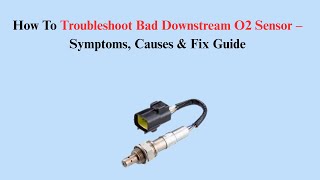
Technical Specifications
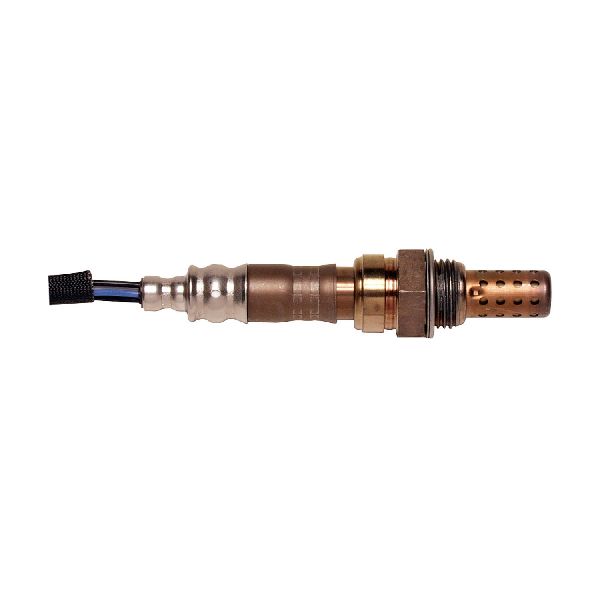
OEM Part Numbers: 1588A209 1588A207 1588A206 MR507387
The 2004-2012 Mitsubishi Galant uses heated, 4-wire, narrow-band oxygen sensors. Both upstream (air/fuel ratio) and downstream (catalyst monitor) sensors are used. The specific part number varies based on engine (2.4L I4 or 3.8L V6) and sensor location (upstream/downstream, and bank 1/2 for V6).
We Have This Part in Stock

The information in this article is provided for general reference and educational purposes only. Vehicle specifications, procedures, and part compatibility can vary by production date, trim level, and region. Always consult your vehicle's factory service manual and verify part numbers before purchasing or performing repairs. Safety-critical components such as airbags, seat belts, and braking systems should be installed by a qualified professional.
- Mitsubishi Galant: