

A Ford Ranger Owner's Guide to Front Wheel Bearings (2004-2012)
That humming or grinding noise from your wheels won't fix itself—here's what you need to know to replace your Ranger's wheel bearings.
- You must identify if your Ranger is 2WD (serviceable bearings) or 4WD (sealed hub assembly) before ordering parts.
- For long-term reliability, choose premium brands like Timken, SKF, or FAG, as the labor to replace a failed cheap bearing negates any initial savings.
- Proper installation is critical. For 4WD hubs, this means torquing the axle nut to the correct specification (162 ft-lbs). For 2WD bearings, it means correctly packing with grease and setting the preload.
- Do not ignore the symptoms. A failed bearing can lead to wheel separation, which is a critical safety failure.
Is Your Ranger's Wheel Bearing Failing?

A bad wheel bearing is not just an annoying noise; it's a serious safety issue. The most common symptom is a grinding, humming, or roaring sound that gets louder as you drive faster. Often, the noise will change when you turn. For example, if you turn right and the noise gets louder, the problem is likely the left front bearing because it's under more load. Other signs include vibration in the steering wheel, a loose feeling in the steering, or the ABS warning light coming on if the failing bearing damages the sensor. In extreme cases, the wheel can wobble or even detach from the truck.
2WD vs. 4WD: A Critical Difference

Before you buy any parts, you MUST know if your Ranger is two-wheel drive or four-wheel drive. The front wheel bearings are completely different between the two.
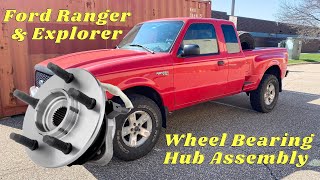
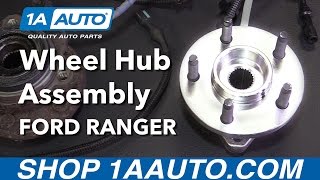
- 4WD Models: Use a sealed wheel bearing and hub assembly. This is a single, bolt-on unit that contains the bearing, hub, and sometimes the ABS sensor. You cannot service the bearing itself; you replace the entire assembly.
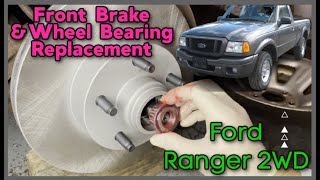
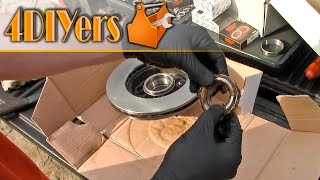
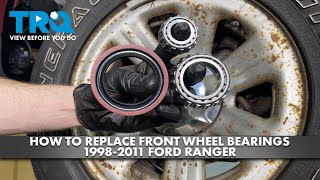
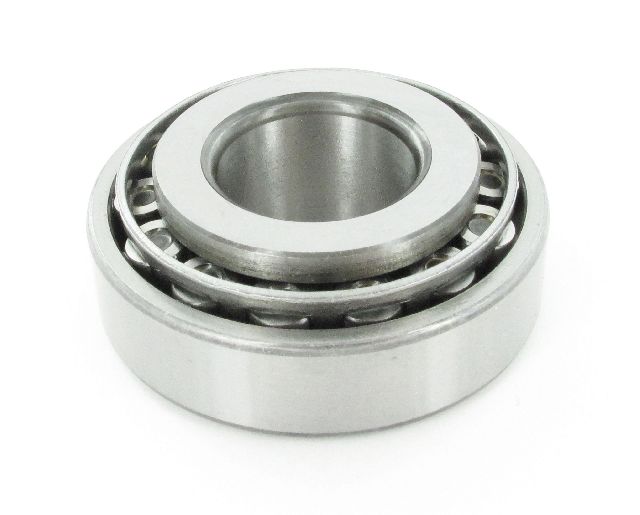
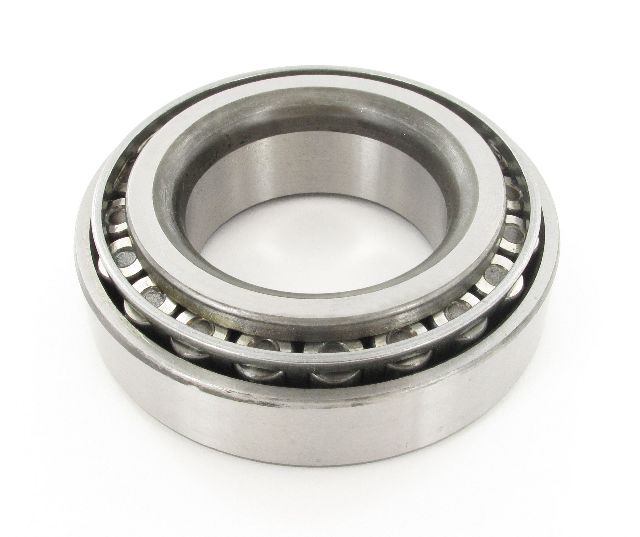
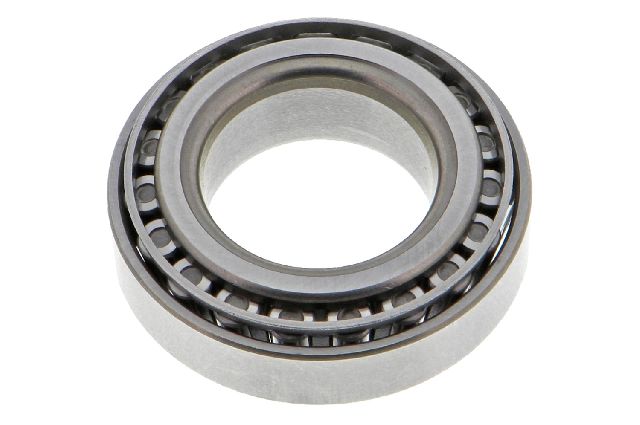
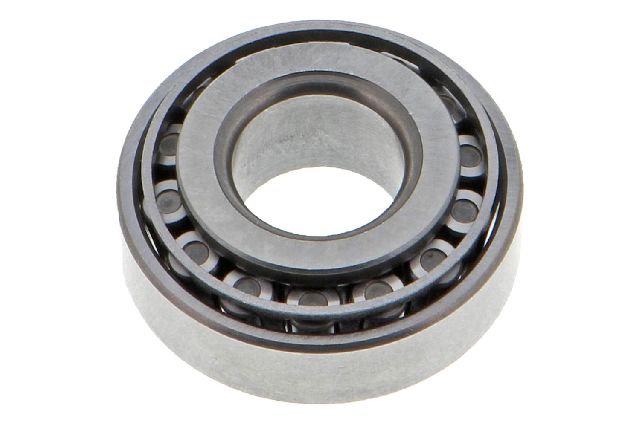
- 2WD Models: Use two separate tapered roller bearings (an inner and an outer bearing) for each front wheel. These bearings sit inside the brake rotor and must be manually packed with high-temperature wheel bearing grease before installation. This job also requires replacing the grease seal.
Choosing the Right Aftermarket Bearing

For a vehicle of this age, aftermarket bearings offer excellent value. However, quality varies significantly between brands. Since replacing a wheel bearing involves a fair amount of labor, saving a few dollars on a cheap part can cost you more in the long run if it fails prematurely.
Brand Quality Tiers
| Tier | Brands | Assessment |
|---|---|---|
| Premium | Timken, SKF, FAG | Consistently recommended by mechanics and owners for their durability and OE-level quality. These brands are known for using high-quality steel and precise manufacturing, making them a reliable choice for both 2WD and 4WD Rangers. |
| Mid-Grade | Mevotech, National Bearing, Beck Arnley | These brands offer a good balance of price and quality. They are generally considered a step down from premium brands but are a viable option for drivers on a budget, especially for the easier-to-replace 4WD hub assemblies. |
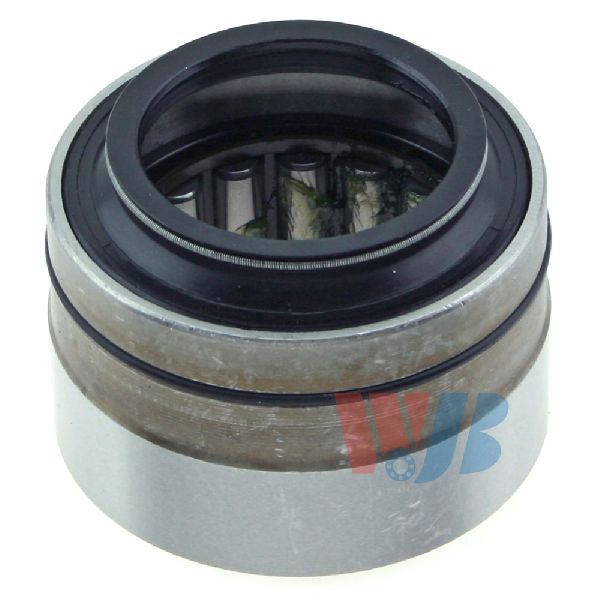
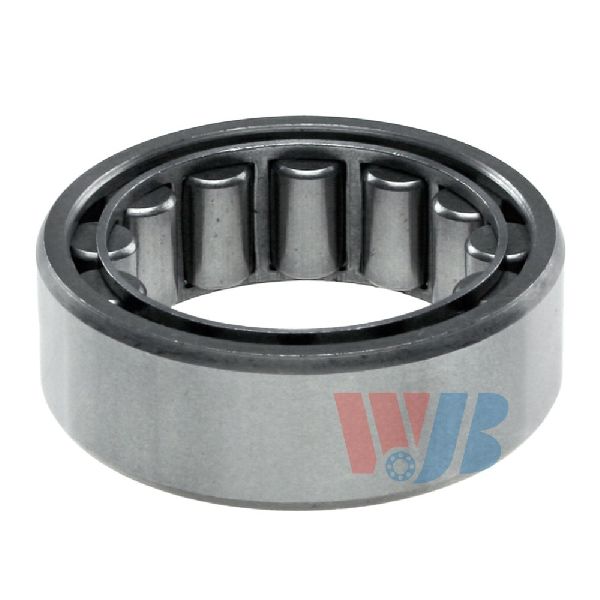
| Economy | WJB | This brand falls into the value-oriented category. While the initial cost is low, longevity can be a concern. An economy bearing might be acceptable if money is very tight, but be aware that it may not last as long as a premium part. |
Known Issues, Recalls, and Service Bulletins
Searches of the National Highway Traffic Safety Administration (NHTSA) database show several recalls for the 2004-2006 Ford Ranger, but these are for the Takata airbags, not the wheel bearings. There are no widespread, known factory defects, recalls, or Technical Service Bulletins (TSBs) specifically for wheel bearing failure on the 2004-2012 Ford Ranger. Failures are typically due to normal wear and tear from age, mileage, or exposure to water and road grime.
Frequently Asked Questions (FAQ)

How long should a wheel bearing last on a Ford Ranger?
Original wheel bearings can last 100,000 miles or more, but this varies based on driving conditions. Off-roading, large tires, and frequent exposure to mud and water can significantly shorten their lifespan. Aftermarket bearing life depends heavily on brand quality and proper installation.
Can I replace just one wheel bearing?
Yes, you can replace just the one that has failed. However, it is highly recommended to replace them in pairs (both front wheels at the same time) for balanced performance and to avoid having to do the same job on the other side soon after.
Is this a difficult job for a DIY mechanic?
For a 4WD hub assembly, the difficulty is moderate. You'll need a good socket set, a torque wrench, and a 32mm axle nut socket. For a 2WD model, the difficulty is slightly higher because you must properly pack the bearings with grease and set the bearing preload with the spindle nut. Incorrectly tightening the nut is a common cause of early failure.
What happens if I don't replace a bad wheel bearing?
Continuing to drive on a failing wheel bearing is extremely dangerous. The excess heat and friction can cause the bearing to seize or break apart, which can lead to the wheel hub failing and the wheel separating from the vehicle while you are driving.
Helpful Videos

Technical Specifications
Configuration varies by drivetrain. 4x4 models use a 3-bolt sealed hub assembly with a 32mm axle nut. 2WD models use serviceable tapered roller bearings (inner and outer) with a separate grease seal.
We Have This Part in Stock

The information in this article is provided for general reference and educational purposes only. Vehicle specifications, procedures, and part compatibility can vary by production date, trim level, and region. Always consult your vehicle's factory service manual and verify part numbers before purchasing or performing repairs. Safety-critical components such as airbags, seat belts, and braking systems should be installed by a qualified professional.
- Ford Ranger: