

A Guide to Replacing Wheel Bearings on a 2004-2012 Chevrolet Aveo
Hearing a humming or grinding noise from your wheels? It's a classic sign that your Aveo's wheel bearing may need replacement.
- The front wheel bearings are a difficult press-in style, while the rear bearings are an easy-to-replace bolt-on hub assembly.
- Front bearings on the Aveo are known to fail early; using premium brands like SKF, Timken, or FAG is highly recommended to prevent repeat repairs.
- A humming noise that gets louder with speed and changes when you turn is the most reliable symptom of a bad wheel bearing.
- Driving with a severely failed wheel bearing is dangerous and can lead to a total loss of control or wheel separation.
Is It a Bad Wheel Bearing? Common Symptoms

A failing wheel bearing in a 2004-2012 Aveo typically gives clear warning signs. The most common symptom is a noise coming from one of the wheels.
- Humming, Roaring, or Grinding Noise: This is the number one sign. The noise starts faint and gets progressively louder as the bearing wears out. It increases with vehicle speed.
- Noise Changes When Turning: A good way to pinpoint a bad bearing is to notice if the noise changes when you steer. For example, if you turn the steering wheel to the left, it puts more weight on the right-side wheels. If the humming gets louder during a left turn, the problem is likely a bad bearing on the right side.
- Vibration or Wobble: You might feel a vibration through the steering wheel or the whole car. In advanced stages of failure, the wheel may feel loose or wobble.
- ABS Light: If your Aveo has an Anti-lock Braking System (ABS), the wheel speed sensor is integrated with the wheel bearing assembly. A failing bearing can damage the sensor or its connection, triggering the ABS warning light on your dashboard.
Known Issue: Premature Front Bearing Failure
Owners of the 2004-2012 Chevrolet Aveo have frequently reported premature failure of the front wheel bearings. It is not uncommon to see these bearings fail at much lower mileage than expected. This makes choosing a high-quality replacement part especially important. Two common causes for repeat failures are using low-quality budget bearings and improper installation, specifically not tightening the large axle nut to the correct torque specification (which is a very high 221 ft-lbs).
Crucial Difference: Front vs. Rear Wheel Bearings

For the 2004-2012 Aveo, the front and rear wheel bearings are completely different designs, which dramatically changes the replacement job.
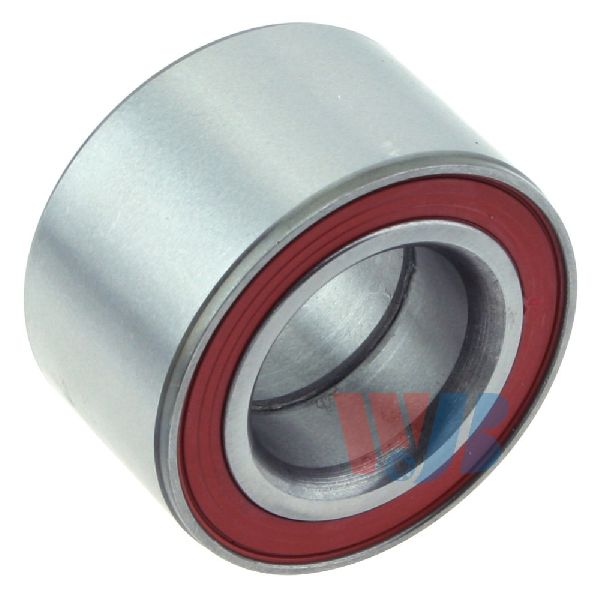
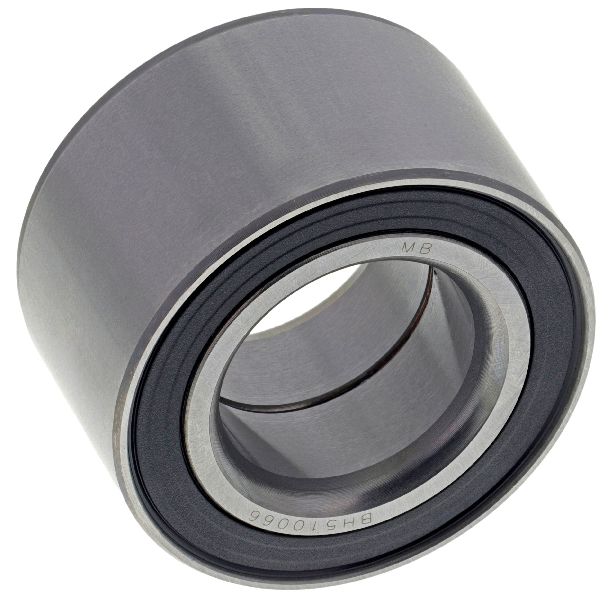
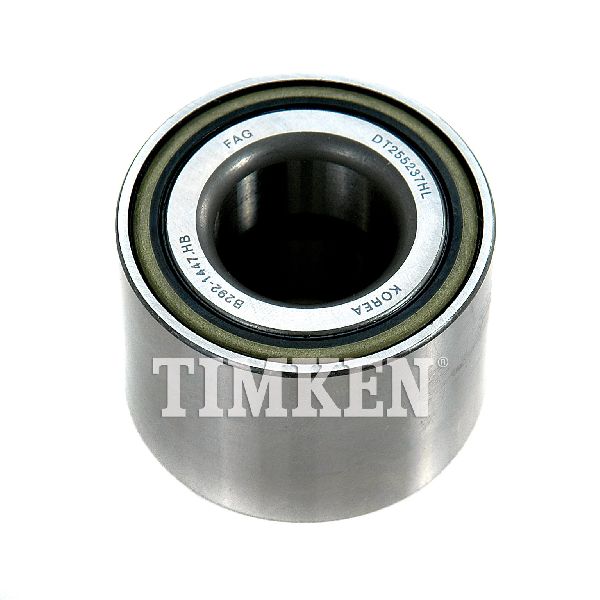
- Front Bearings: The front uses a press-in bearing. This design requires the entire steering knuckle to be removed from the car. A hydraulic shop press is then needed to force the old bearing out of the knuckle and press the new one in. This is a difficult and time-consuming job that is not feasible for most DIY mechanics without specialized tools. Many people choose to remove the knuckle themselves and take it to a machine shop to have the bearing pressed in for a small fee.
- Rear Bearings: The rear uses a bolt-on wheel hub assembly. This is a much simpler design where the bearing is already contained within the hub. The repair involves removing the wheel and brake drum, unbolting a single large axle nut, and sliding the entire old hub off to be replaced with the new one. This job is very DIY-friendly.
Choosing the Right Aftermarket Bearing: Brand Quality Tiers

Given the labor involved, especially for the front, investing in a quality bearing is smart. Here’s a breakdown of available brands.
Premium Brands (OEM Quality or Better)
These brands are known for their durability and precision engineering, making them the best choice for the labor-intensive front bearings to avoid doing the job twice. They are trusted by professional mechanics.
- SKF: A global leader from Sweden, known for high-quality steel and manufacturing.
- Timken: A top American manufacturer with a long-standing reputation for durable, reliable bearings.
- FAG: A German brand, part of the Schaeffler Group, that is a founder of the bearing industry and known for high precision and reliability.
- NSK: A top Japanese manufacturer known for excellent quality and engineering.
Standard / Mid-Grade Brands
These brands offer a good balance of quality and price for daily driving.
- National: A well-regarded brand that is part of the Federal-Mogul/Moog family.
- Mevotech: Known for chassis parts, they also offer reliable bearing solutions.
Economy Brands
These brands are the most affordable and can be a good option for a budget repair, especially for the easier-to-install rear hub assemblies.
- WJB: Often cited as a surprisingly durable budget brand that provides good value for daily use.
- TrueDrive: A competitive, value-focused brand that is a good choice for drivers on a tight budget.
| Part/Service | Estimated Cost |
|---|---|
| New Aftermarket Part | $22 - $125 |
| Shop Labor (Front Press-In) | $250 - $400+ |
| Shop Labor (Rear Hub) | $100 - $180 |
| Total Professional Replacement (1 Wheel) | $370 - $615+ |
Frequently Asked Questions (FAQ)

Do I need to replace wheel bearings in pairs?
While not strictly required, it is often recommended. Wheel bearings on the same axle experience the same wear and tear. If one has failed, the other may not be far behind. Replacing them in pairs can save you from having to do the same repair on the other side in the near future.
What is the difference between a press-in bearing and a hub assembly?
A press-in bearing is just the bearing itself, which must be pressed into your existing steering knuckle or hub with special tools. A hub assembly is a pre-assembled unit that includes the bearing, hub, and mounting flange, which simply bolts onto the vehicle. For the 2004-2012 Aveo, the front uses press-in bearings and the rear uses hub assemblies.
Can I perform this replacement myself?
Replacing the rear bolt-on hub assembly is a straightforward job for a DIYer with basic tools. Replacing the front press-in bearing is not recommended for DIYers unless you own or have access to a hydraulic shop press and the correct adapters.
Are there any recalls on Aveo wheel bearings?
No. There are no active recalls or Technical Service Bulletins (TSBs) from the NHTSA specifically for wheel bearing failure on the 2004-2012 Chevrolet Aveo. However, premature failure of the front bearings is a widely discussed issue among owners.
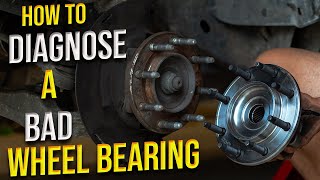
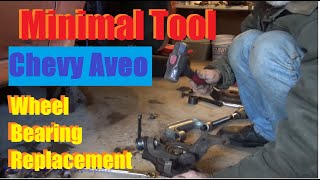
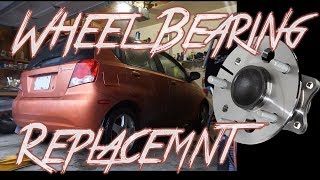
Helpful Videos

Technical Specifications
OEM Part Numbers: 96870491 FW325 541010
The 2004-2012 Chevrolet Aveo uses press-in style bearings for the front wheels and complete bolt-on hub assemblies for the rear wheels. The front axle nut requires a torque of 221 ft-lbs during installation to ensure longevity.
We Have This Part in Stock


The information in this article is provided for general reference and educational purposes only. Vehicle specifications, procedures, and part compatibility can vary by production date, trim level, and region. Always consult your vehicle's factory service manual and verify part numbers before purchasing or performing repairs. Safety-critical components such as airbags, seat belts, and braking systems should be installed by a qualified professional.
- Chevrolet Aveo: