

Volkswagen Passat (2004-2011) Fuel Pressure Sensor Guide
Stalling, hesitation, or poor fuel economy in your Passat could point to a failing fuel pressure sensor.
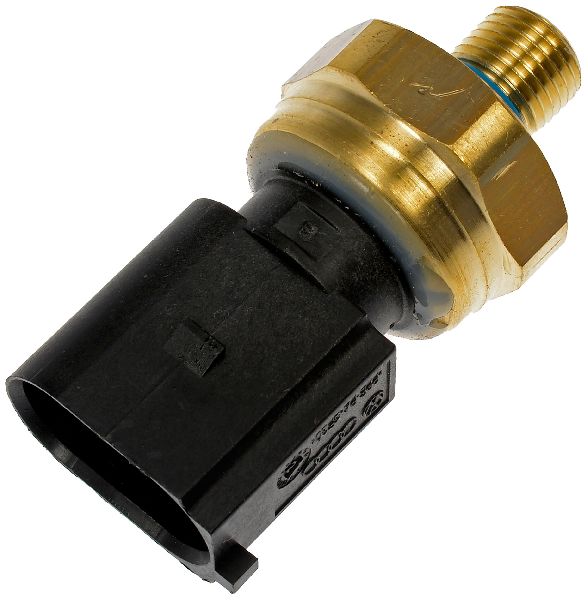
- The most common failure is the low-pressure sensor (G410), which is located on the high-pressure fuel pump.
- Symptoms often include stalling on cold starts, hesitation, and loss of power, accompanied by codes like P0087 or P310B.
- Always choose a replacement part that corresponds to the updated OEM part number (06E-906-051-K) to ensure reliability.
- Be aware of related Passat-specific issues like the fuel pump control module recall and HPFP cam follower wear, which can cause similar symptoms.
Is Your Passat Acting Up? It Could Be a Fuel Pressure Sensor.

If you own a 2004-2011 VW Passat, particularly the B6 generation (2006-2010) with the 2.0T engine, you might eventually face a fuel pressure sensor issue. These sensors are known to fail over time, causing a range of frustrating problems. This guide will help you understand the symptoms, choose the right aftermarket replacement, and learn about other related issues specific to your Passat.
Two Different Sensors
Your Passat has two main fuel pressure sensors. The Low-Pressure Sensor (G410) is a very common failure point and is the focus of this guide. It's located on the High-Pressure Fuel Pump (HPFP). The High-Pressure Sensor (G247) is on the fuel rail under the intake manifold and is much harder to access. Make sure you and your mechanic identify the correct failed sensor before ordering parts.
Symptoms of a Failing Fuel Pressure Sensor

A bad fuel pressure sensor can make your car difficult to live with. Here are the most common signs:
- Engine Stalling: The engine may stall during a cold start or cut out while you're accelerating.
- Hard Starting: The car may crank for a long time before the engine finally starts.
- Loss of Power: You'll feel a significant lack of acceleration and overall sluggish performance.
- Check Engine Light: A failing sensor will almost always trigger a Check Engine Light. Common codes include P0087, P310B, P0191, and P129F.
- Poor Fuel Economy: When the sensor sends bad data, the engine can run rich, wasting fuel.
Choosing the Right Aftermarket Fuel Pressure Sensor

When replacing a critical sensor on a German vehicle, part quality matters. Using a low-quality part can lead to incorrect readings, persistent problems, or another failure in a short time. Aftermarket brands for your Passat can be grouped into tiers.
Tier 1: High-Quality OE-Equivalent Brands
- Vemo: Often considered a supplier of original equipment (OE) quality parts for German vehicles. A reliable choice that is expected to perform like the original part.
- Standard Ignition: A well-regarded aftermarket brand known for producing reliable electronic components that meet or exceed OEM specifications.
Tier 2: Budget-Friendly Brands
- Dorman: Dorman makes a huge variety of parts, but forum discussions suggest their quality can be inconsistent for sensitive electronics. It's a budget option, but might be a gamble.
- URO Parts: Similar to Dorman, URO specializes in parts for European cars at a lower price point, with a reputation for being hit-or-miss.
- Replacement: This is typically a house brand. While it's the most affordable, it carries the highest risk of being a lower-quality part that may not last.
Pro Tip: Get the Latest Version
Volkswagen issued a Technical Service Bulletin (TSB) for the original low-pressure sensor and released an updated part (OEM part number 06E-906-051-K). When buying an aftermarket part, ensure it is listed as a replacement for this latest revision to avoid repeating the same failure.
Cost to Replace a VW Passat Fuel Pressure Sensor
The cost depends on the part you choose and who does the work. The low-pressure sensor (G410) is fairly easy to access, making labor costs reasonable.
| Item | Estimated Cost |
|---|---|
| New OEM Sensor | $120 - $200 |
| New Aftermarket Sensor | $15 - $170 |
| Shop Labor (G410 Sensor) | $80 - $150 |
Frequently Asked Questions

What's the difference between the low-pressure (G410) and high-pressure (G247) sensor?
The G410 low-pressure sensor measures fuel pressure coming from the tank's pump, before it gets to the engine. The G247 high-pressure sensor measures the much higher pressure in the fuel rail that directly feeds the injectors. The G410 is the more common failure and is easier to replace. The G247 is located under the intake manifold and is a more involved job.
Where is the low-pressure fuel sensor located on my Passat?
The low-pressure sensor (G410) is mounted directly on the side of the High-Pressure Fuel Pump (HPFP). The HPFP is located on the engine, typically accessible after removing the top plastic engine cover.
Can I replace the low-pressure sensor myself?
Yes, this is a DIY-feasible job for someone with basic mechanical skills. It involves relieving fuel pressure, unplugging the electrical connector, and unscrewing the old sensor. Always work on a cold engine in a well-ventilated area and have a fire extinguisher nearby. The high-pressure sensor (G247) is much more difficult and best left to a professional.
What else could cause fuel pressure problems in my Passat?
Several known issues on the 2004-2011 Passat can mimic or cause fuel pressure sensor faults:
- Fuel Pump Control Module: A recall was issued for 2006-2010 Passats for a faulty fuel pump control module that could cause stalling.
- HPFP Cam Follower: The 2.0T FSI engine is famous for the cam follower on the high-pressure fuel pump wearing out. This can cause a P0087 code and catastrophic engine damage if ignored.
- PCV Breather: A faulty PCV system can cause a lean condition that incorrectly triggers a fault code for the high-pressure sensor (P119A).
- Fuel Pumps: The in-tank low-pressure pump or the engine-mounted high-pressure pump (HPFP) can fail, causing low pressure codes.
Helpful Videos
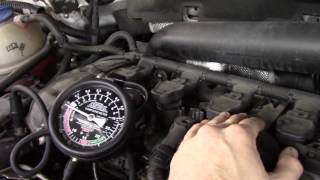
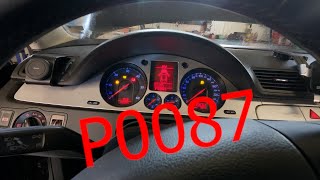
Technical Specifications
OEM Part Numbers: 06E906051K 06E906051J 06E906051E 06D906051A 06J906051B 06J906051C 06J906051D
This guide primarily addresses the low-pressure fuel sensor (G410) located on the HPFP and the high-pressure sensor (G247) on the fuel rail. Part numbers vary significantly by engine code and model year, so VIN verification is critical.
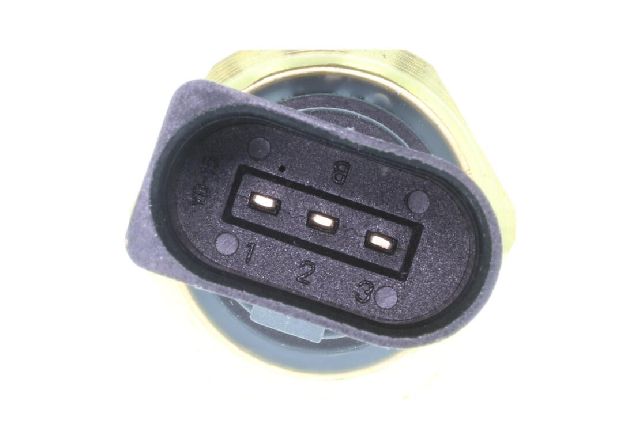
We Have This Part in Stock


The information in this article is provided for general reference and educational purposes only. Vehicle specifications, procedures, and part compatibility can vary by production date, trim level, and region. Always consult your vehicle's factory service manual and verify part numbers before purchasing or performing repairs. Safety-critical components such as airbags, seat belts, and braking systems should be installed by a qualified professional.
- Volkswagen Passat: