

A Guide to the Engine Water Pump on a 2004-2011 Volkswagen Passat
Understand the common failure points and how to choose the best new aftermarket water pump for your Passat.
- On 2.0T engines, the water pump is driven by the timing belt and should be replaced at the same time as the belt, around every 90,000 miles.
- Choose an aftermarket water pump with a metal impeller for improved durability over the original plastic impeller design.
- Symptoms of failure include coolant leaks from the front passenger side, engine overheating, and a whining noise from the engine.
- Always use the correct VW-specific G12/G13 pink or purple coolant to prevent damage to the cooling system.
Symptoms of a Failing Water Pump

A bad water pump will give you a few warning signs before it fails completely. Ignoring these can lead to catastrophic engine damage. The most common symptom is your engine temperature gauge climbing higher than normal, but you should also watch for the following:
- Coolant Leaks: This is the most common sign. You may see puddles of pink or green fluid under the front, passenger side of your car. Sometimes the leak is slow, leaving a trail of pinkish-white crusty residue on the engine as the coolant dries.
- Overheating Engine: If the pump can't move coolant, the engine's temperature will rise quickly, potentially causing the temperature warning light on your dashboard to come on. Driving an overheating car can lead to a blown head gasket or other severe engine damage.
- Whining or Grinding Noise: A high-pitched whining or grinding sound coming from the front of the engine can signal that the bearings inside the water pump are failing. This noise often changes with engine speed. 🎬 Watch: Learn how to diagnose these common water pump symptoms.
A Note on Timing Belts for 2.0T Engines
For the popular 2.0T FSI engine, the water pump is driven by the timing belt. It is highly recommended to replace the water pump whenever the timing belt is serviced, typically between 90,000 and 110,000 miles. 🎬 Watch: See a full timing belt and water pump replacement walkthrough. Since the labor to access the timing belt is significant, replacing the pump at the same time is cost-effective and prevents a future failure that could ruin your new timing belt and your engine.
Choosing the Right Aftermarket Water Pump

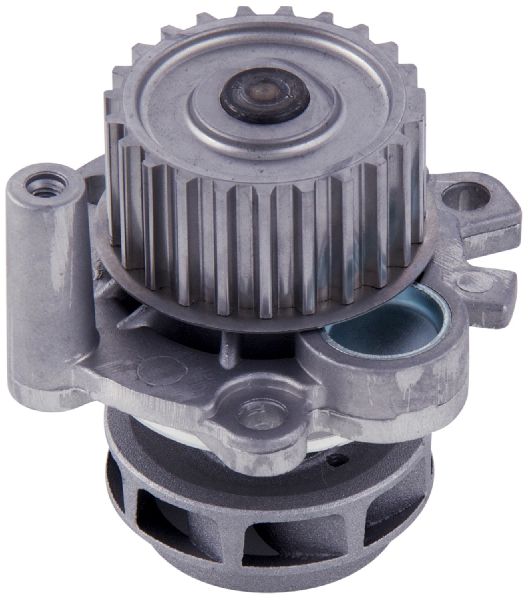
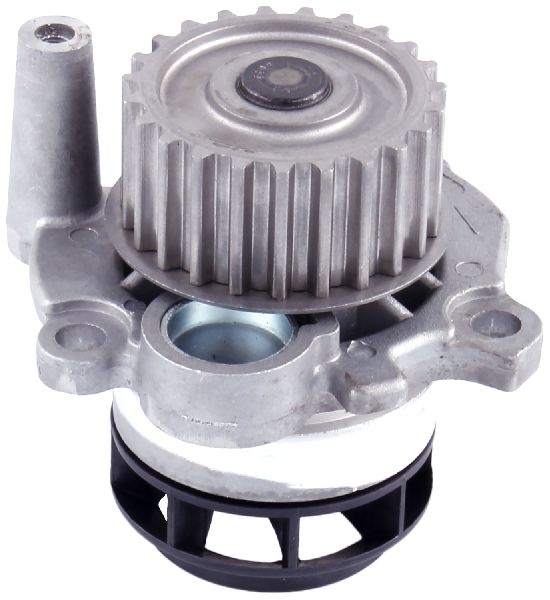
When replacing the water pump, you'll find many aftermarket brands. The original OEM pumps on these Passats often used a plastic or composite impeller, which can become brittle and fail over time. Many aftermarket options offer an upgraded metal impeller for better durability. Brands can be grouped into quality tiers:
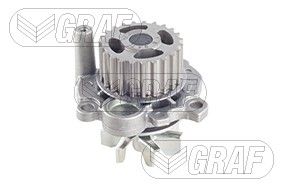
- OEM-Quality (Top Tier): Brands like Hepu, Graf, and Saleri are often original equipment suppliers to German automakers and are known for high-quality parts that meet or exceed OEM specifications. These are a trusted choice for reliability and often feature durable metal impellers.
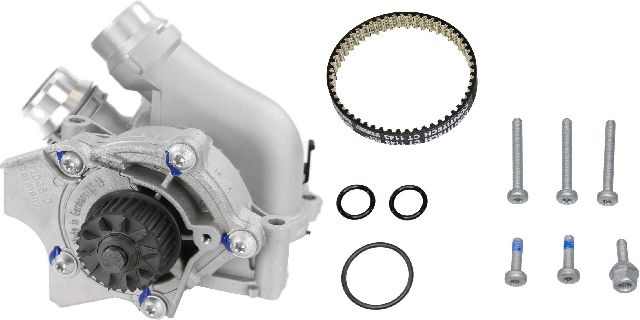
- Reliable Aftermarket (Mid Tier): Brands such as Gates and Dayco are well-known and respected. They often sell complete timing belt kits that include a water pump, making them a convenient and reliable option.
- Budget-Friendly (Economy Tier): Brands like URO Parts, DNJ, and others offer a lower price point. However, forum discussions show mixed reviews, with some owners experiencing fitment issues or premature failures. These may be suitable for short-term ownership, but for long-term peace of mind, investing in a higher-tier brand is recommended.
While you are replacing the water pump, it is a good idea to also replace the thermostat and inspect all coolant hoses. This ensures the entire cooling system is refreshed and reduces the chance of other cooling-related issues in the near future.
Cost to Replace a Passat Water Pump

Replacement costs can vary significantly based on your engine and local labor rates. The job is more expensive on the 2.0T engine because the water pump is driven by the timing belt, requiring much more labor.
| Item | Estimated Cost |
|---|---|
| New Aftermarket Part | $43 - $422 |
| New OEM Part | $135 - $250 |
| Shop Labor | $600 - $1600 (especially if combined with timing belt service) |
| Total Professional Replacement | $904 - $1,826 |
Frequently Asked Questions

Should I choose a water pump with a metal or plastic impeller?
Many mechanics and VW enthusiasts recommend choosing a water pump with a metal impeller. The original plastic impellers on some VW models were known to degrade and break apart over time, which can cause a sudden loss of coolant circulation and lead to overheating. A metal impeller is generally considered a more durable and reliable upgrade.
Do I need to use a special type of coolant?
Yes, it is critical to use the correct coolant for your Volkswagen. These vehicles require a specific type of coolant, typically G12, G12++, or G13, which is pink or purple in color. Using the wrong type of coolant (like the common green or orange types) can cause corrosion and damage to the cooling system components, including the new water pump.
Were there any recalls for the water pump on the 2004-2011 Passat?
There have been no specific recalls issued by the NHTSA for engine water pump failure on the 2004-2011 Volkswagen Passat. However, Volkswagen has issued Technical Service Bulletins (TSBs) related to coolant leaks from the water pump area, sometimes caused by oil leaks swelling the pump's gasket. There was also a warranty extension for later model VWs, but it does not apply to this year range.
Can I replace the water pump myself?
For models where the water pump is driven by the serpentine belt, a skilled DIY mechanic may be able to perform the replacement. However, for the 2.0T engine, the water pump is driven by the timing belt. This is a much more complex job that requires special tools and precise timing procedures. An error during this process can lead to severe engine damage. For this reason, professional installation is strongly recommended for timing belt-driven water pumps.
Helpful Videos
Technical Specifications
OEM Part Numbers: 06F121011 06F121011X 06A121011R
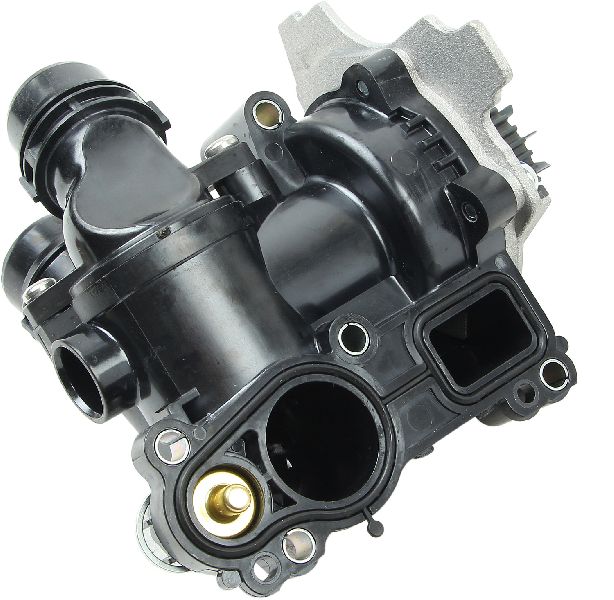
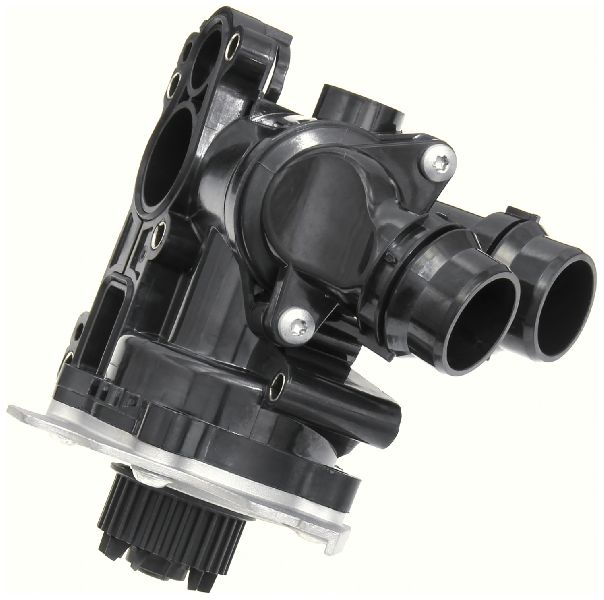
Driven by the timing belt on 2.0T FSI engines. Some original versions came with a composite/plastic impeller, while many aftermarket replacements feature a more durable metal impeller.
We Have This Part in Stock

The information in this article is provided for general reference and educational purposes only. Vehicle specifications, procedures, and part compatibility can vary by production date, trim level, and region. Always consult your vehicle's factory service manual and verify part numbers before purchasing or performing repairs. Safety-critical components such as airbags, seat belts, and braking systems should be installed by a qualified professional.
- Volkswagen Passat: