

Toyota 4Runner Engine Camshaft Position Sensor Guide (2004-2011)
Diagnose and choose the right replacement camshaft sensor for your V6 or V8 4th Gen 4Runner.
- A bad camshaft sensor is a common cause of stalling, rough idle, and starting problems on the 4th Gen 4Runner.
- For best results, choose an aftermarket sensor from Denso, which is the Original Equipment Manufacturer for Toyota.
- On the V6 engine, the passenger-side sensor is a very easy DIY replacement requiring only a 10mm socket.
- Always use a code scanner first to confirm which sensor has failed before buying parts.
Is Your 4Runner Acting Up? It Could Be a Camshaft Sensor.

If your 2004-2011 Toyota 4Runner is running rough, having trouble starting, or stalling unexpectedly, a failing camshaft position sensor is a likely culprit. This small sensor plays a huge role in how your engine runs. When it fails, it can cause a range of frustrating problems, but thankfully, it's often a straightforward and affordable fix.
Symptoms of a Failing Camshaft Position Sensor
A bad camshaft sensor sends incorrect information, or no information at all, to your engine's computer. This can make the engine run poorly. Look out for these common signs:
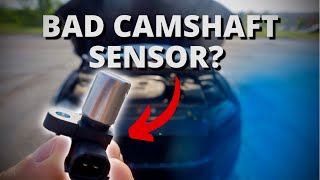
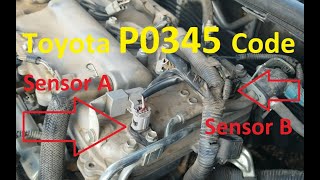
🎬 Watch: A visual guide to bad camshaft sensor symptoms.- Check Engine Light: This is the most common symptom. A code scanner will often show codes like P0340, P0345, or P0348. 🎬 See how to diagnose and fix the P0345 Bank 2 code.
- Engine Stalling: The engine may shut off while you are driving or when idling at a stoplight.
- Hard Starting or No-Start: Your 4Runner may crank for a long time before starting, or it may not start at all. This problem can be worse when the engine is warm.
- Rough Idle: The engine may shake or vibrate more than usual when you're stopped.
- Poor Acceleration: You might notice the vehicle feels sluggish and lacks power when you press the gas pedal.
- Reduced Fuel Economy: When the engine timing is off, it burns fuel less efficiently, hurting your gas mileage.
Choosing the Right Aftermarket Sensor: Brand Matters

When it comes to critical engine sensors, not all aftermarket brands are created equal. For Toyota vehicles, the consensus among mechanics and experienced owners is to be selective. Using a low-quality sensor can lead to incorrect readings, persistent check engine lights, or failure in a short amount of time.
Aftermarket Brand Tiers for Your 4Runner
- Tier 1 (OEM Supplier / Highly Recommended): Brands like Denso and NGK are top-tier choices. Denso is the original manufacturer, making it a guaranteed fit and function. NGK is another highly respected Japanese brand known for quality electronics.
- Tier 2 (Quality Aftermarket): Brands such as Delphi, Hitachi, and Standard Ignition (SMP) generally offer good quality and performance. They are reputable manufacturers that often supply parts to other carmakers.
- Tier 3 (Budget Options): Brands like Dorman, URO Parts, and other lower-priced options can be a gamble. While they may work, some owners report issues with them right out of the box or having them fail much sooner than OEM-quality parts. For a sensor that can leave you stranded, saving a few dollars here might not be worth the risk.
How Much Does a Camshaft Position Sensor Cost?
The cost depends on the brand you choose and whether you do the work yourself. The job is DIY-friendly on the V6 engine, especially for the passenger-side sensor.
| Part/Service | Estimated Cost |
|---|---|
| New OEM (Toyota-Branded) | $140 - $230 |
| New Aftermarket (Denso, NGK, Delphi) | $50 - $175 |
| New Aftermarket (Budget) | $27 - $50 |
| Shop Labor | $75 - $200 |
Frequently Asked Questions (FAQ)

How many camshaft sensors does my 2004-2011 4Runner have?
Both the 4.0L V6 and 4.7L V8 engines in this generation have multiple sensors. The V6 engine has four sensors in total that monitor camshaft position, often referred to as VVT sensors. Two are easily accessible on the top of the engine, while two are in a less accessible location. The V8 sensors are located under the front timing cover. The most common failures occur with the top-mounted sensors on the V6.
Should I replace all the sensors at once?
Not necessarily. It's best to use an OBD-II scanner to identify the specific fault code, which will point to the failing sensor (e.g., Bank 1 Sensor A). You only need to replace the one that has failed. However, if your vehicle has high mileage, the other sensors are of the same age and may fail in the future. Replacing them in pairs (both on Bank 1 or both on Bank 2) is a reasonable preventative measure if you prefer.
Is this a difficult repair to do myself?
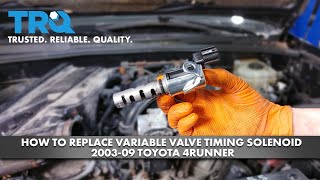
For the V6 engine, replacing the top-mounted sensors is very easy, especially the one on the passenger side (Bank 1). It involves removing the plastic engine cover (two 10mm nuts) and a single 10mm bolt holding the sensor. 🎬 Watch: Step-by-step walkthrough for replacing the VVT solenoid. The driver's side (Bank 2) sensor is tighter to access and may require removing the air intake tube for more room. The V8 sensors are a much more involved job.
Are there any recalls for this part?
Based on searches of the National Highway Traffic Safety Administration (NHTSA) database and Toyota's recall site, there are no specific recalls for the engine camshaft position sensor on the 2004-2011 Toyota 4Runner.
Helpful Videos
Technical Specifications
OEM Part Numbers: 90919-05060 90919-05021 19300-50011 19300-62010 19300-50020
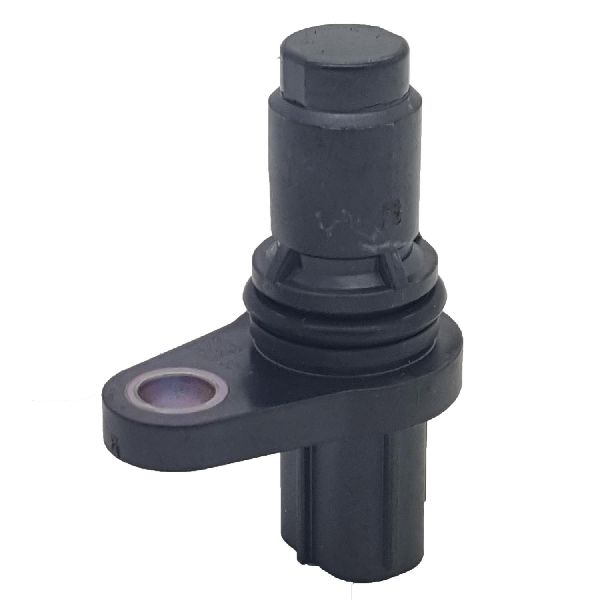
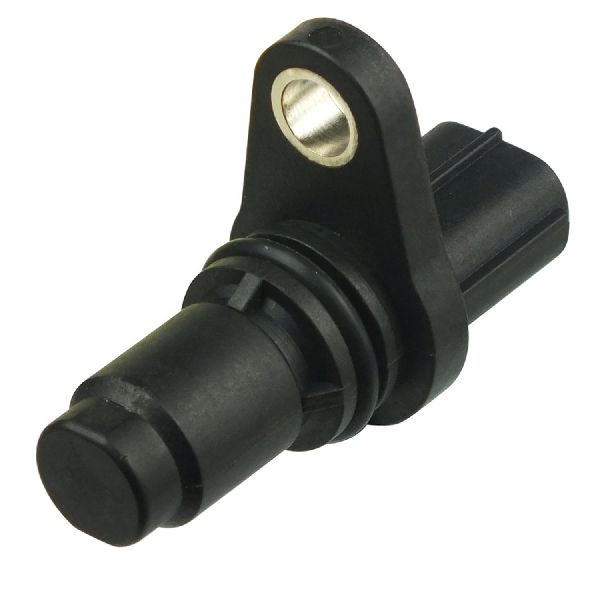
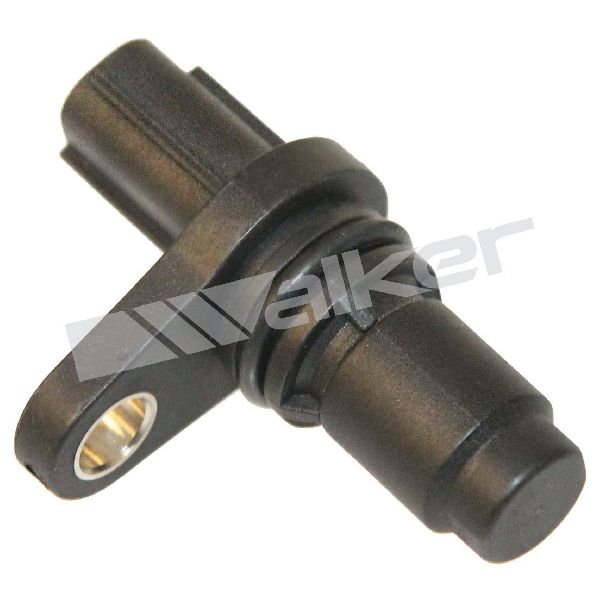
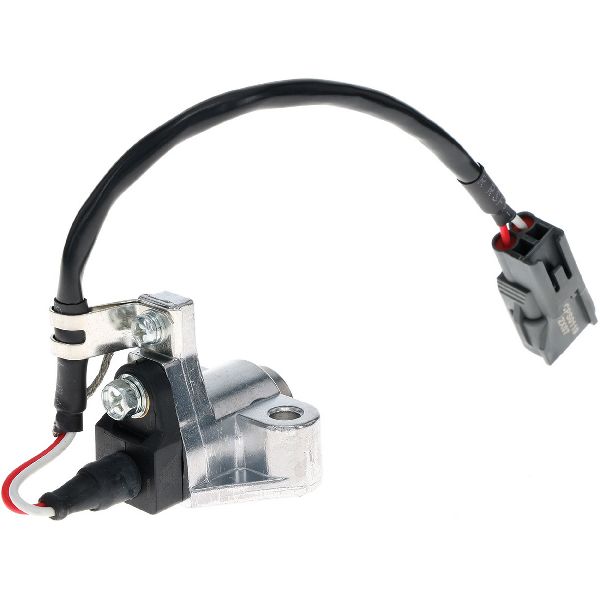
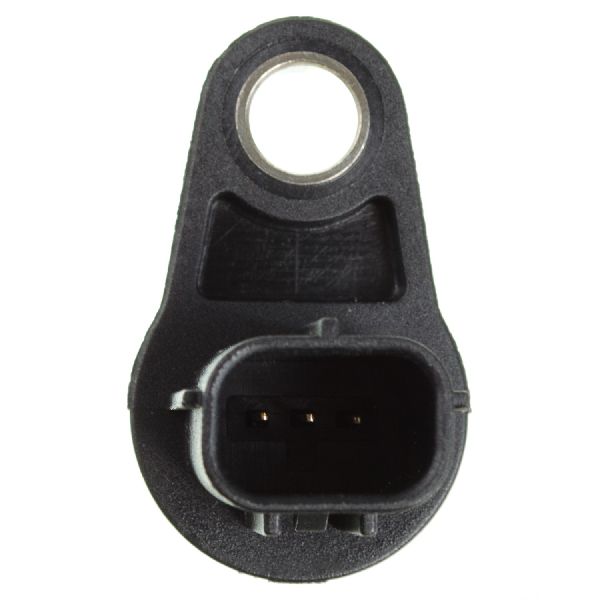
The 2004-2011 4Runner uses multiple camshaft position sensors. The 4.0L V6 (1GR-FE) has four sensors, while the 4.7L V8 (2UZ-FE) also has multiple sensors located under the timing cover. It is crucial to identify the correct part for your specific engine and the sensor location (Bank 1/passenger side vs. Bank 2/driver side) indicated by the diagnostic trouble code.
We Have This Part in Stock


The information in this article is provided for general reference and educational purposes only. Vehicle specifications, procedures, and part compatibility can vary by production date, trim level, and region. Always consult your vehicle's factory service manual and verify part numbers before purchasing or performing repairs. Safety-critical components such as airbags, seat belts, and braking systems should be installed by a qualified professional.
- Toyota 4Runner: