

Ignition Knock Sensor for the 2004-2011 Mazda 3: A Detailed Guide
Understanding the knock sensor in your Mazda 3 and how to choose the right replacement part.
- A bad knock sensor will trigger a Check Engine Light (often code P0328) and cause poor performance and fuel economy.
- Replacement is labor-intensive as the sensor is located under the intake manifold, making it a 2-3 hour job.
- Due to the high labor cost, choosing a quality aftermarket brand like Standard Ignition or Walker Products is recommended to avoid repeat repairs.
- Always confirm the part fits your specific engine (2.0L or 2.3L) before ordering to prevent errors.
Is a Failing Knock Sensor a Big Deal?

A faulty knock sensor on your Mazda 3 can cause more than just an annoying Check Engine Light. When the sensor fails, the engine's computer (ECU) can no longer detect engine knock. To protect the engine, the ECU defaults to a "safe mode," which retards the ignition timing. This protective mode leads to noticeable symptoms like reduced engine power, poor acceleration, and worse fuel economy. 🎬 Watch this video to learn about signs of a bad knock sensor. Ignoring a bad knock sensor for too long can lead to more serious engine problems.
Common Ordering Mistakes
The knock sensor is located under the intake manifold, making it a labor-intensive part to replace. Because of the difficulty, it's critical to order the correct part the first time. Always verify the part fits your specific year and engine size (2.0L or 2.3L) before purchasing. Providing your vehicle's VIN at the time of order is the best way to guarantee fitment.
Choosing the Right Aftermarket Knock Sensor

When replacing the knock sensor on your Mazda 3, you have a choice between OEM and several aftermarket brands. Given the significant labor involved in the replacement, choosing a reliable part is crucial to avoid doing the job twice.
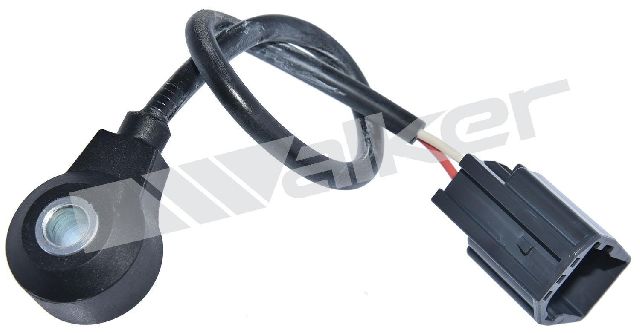
- Premium Aftermarket (e.g., Standard Ignition, Walker Products): These brands are often considered OE-quality or better. They design their sensors to meet or exceed original specifications for fit, form, and function. Forum users and reviews often point to these brands as reliable choices that solve CEL codes like P0328 effectively. 🎬 Learn more about common symptoms and DIY fixes for knock sensors.
- Budget-Friendly (e.g., Facet, Motorad, Global Parts): These brands offer a more affordable alternative. They are manufactured to be OE-equivalent and undergo testing to ensure performance. While they can be a good value, some mechanics prefer to stick with premium or OEM brands for hard-to-access parts to minimize the risk of premature failure.
Pro Tip: While the intake manifold is removed to access the knock sensor, it's a good idea to replace the intake manifold gaskets and clean the throttle body at the same time. This can prevent future vacuum leaks and improve engine performance.
Cost of Replacing a Mazda 3 Knock Sensor

| Part/Service | Estimated Cost |
|---|---|
| New Aftermarket Knock Sensor | $40 - $114 |
| New OEM Knock Sensor | $90 - $150+ |
| Shop Labor | $234 - $343 |
| Total Professional Replacement | $322 - $457 |
Frequently Asked Questions

What is the most common code for a bad knock sensor?
The most common diagnostic trouble code (DTC) for a knock sensor issue on the Mazda 3 is P0328, which indicates "Knock Sensor 1 Circuit High Input." This code often appears when the sensor fails or has a wiring issue.
Can I replace the knock sensor myself?
Replacing the knock sensor is considered a moderately difficult job for a DIY mechanic. It requires removing the intake manifold to access the sensor, which is located on the engine block. 🎬 See a step-by-step guide on how to replace the sensor yourself. If you have the right tools and are comfortable with a more involved repair, it is feasible. However, due to the complexity, many owners opt for a professional mechanic.
Could something else cause a knock sensor code?
Yes. Sometimes the issue is not the sensor itself but the wiring or connector. Corrosion or a loose connection can trigger a fault code. In some cases, using low-octane fuel can cause actual engine knock, which the sensor will report. It's always a good idea to check the wiring and ensure you're using the recommended fuel grade before replacing the sensor.
Are there any recalls for the Mazda 3 knock sensor?
Based on searches of the National Highway Traffic Safety Administration (NHTSA) database and other sources, there are no specific recalls or widespread Technical Service Bulletins (TSBs) for the ignition knock sensor on the 2004-2011 Mazda 3. However, it is noted as a relatively common failure part in owner forums.
Helpful Videos
Technical Specifications
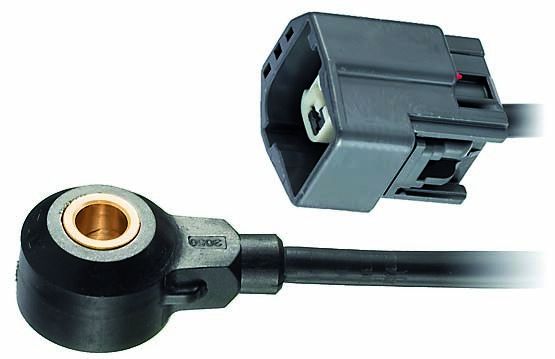
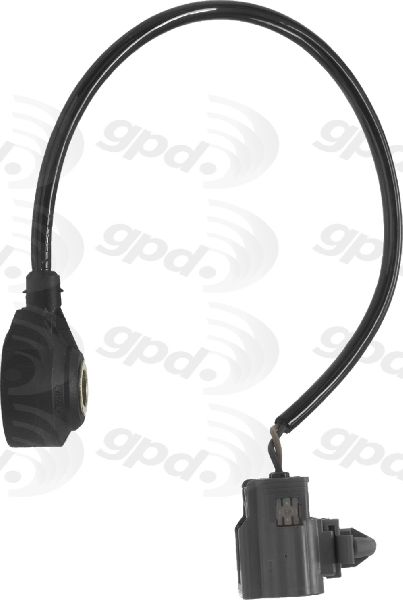
OEM Part Numbers: LF02-18-921 ZJ01-18-921 L807-18-921
Mounting Location: Engine Block (under intake manifold)
We Have This Part in Stock


The information in this article is provided for general reference and educational purposes only. Vehicle specifications, procedures, and part compatibility can vary by production date, trim level, and region. Always consult your vehicle's factory service manual and verify part numbers before purchasing or performing repairs. Safety-critical components such as airbags, seat belts, and braking systems should be installed by a qualified professional.
- Mazda 3: