

A Guide to Replacing Oxygen Sensors on the 2004-2011 Kia Sportage
Keep your Sportage's engine running efficiently by understanding its oxygen sensors.
- Always choose a 'direct-fit' aftermarket sensor from a reputable brand like Bosch, Denso, or NGK to ensure compatibility and avoid installation problems.
- A failing oxygen sensor can cause poor fuel economy, rough running, and will illuminate the check engine light.
- Do not ignore a bad O2 sensor, as it can lead to costly damage to the catalytic converter over time.
- The 2.0L engine has two sensors, while the 2.7L V6 has four; identify the correct sensor location before purchasing.
Signs of a Failing Oxygen Sensor

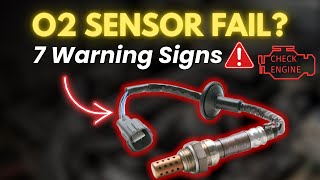
When an oxygen sensor starts to fail, your Sportage will give you a few warning signs. The most obvious is the Check Engine Light illuminating on your dashboard. You might also notice your fuel economy getting worse, as the engine may use more fuel than necessary. Other symptoms include a rough idle, engine hesitation or misfires, and a loss of power during acceleration. 🎬 Watch: See a breakdown of these 7 common failure symptoms. In some cases, you might smell a strong odor of unburned fuel from the exhaust or even fail an emissions test.
Don't Ignore a Failing Sensor
While you can drive with a bad oxygen sensor for a short time, it's not recommended. An incorrect air-fuel mixture can eventually damage your catalytic converter, which is a much more expensive repair than replacing the sensor itself.
Choosing the Right Aftermarket Oxygen Sensor

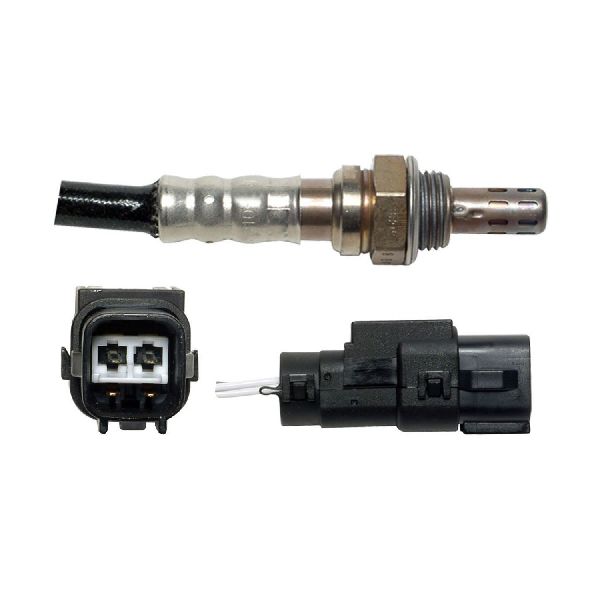
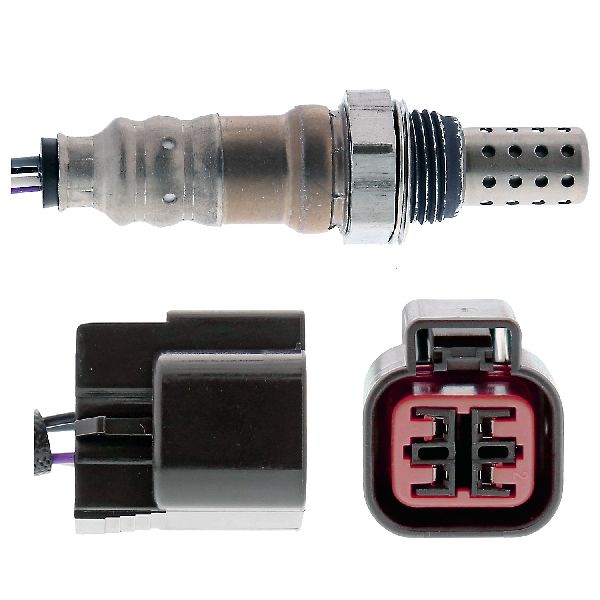
When shopping for a replacement, you'll find "direct-fit" and "universal" options. Always choose a direct-fit sensor. These come with the correct plug for your Sportage's wiring harness, making installation a simple unplug-and-plug-in process. Universal sensors require you to cut and splice wires, which can lead to incorrect signals and the check engine light returning if not done perfectly.
Aftermarket brands offer a significant cost saving over original equipment (OEM) parts, often without a loss in quality. Many aftermarket sensors are made in the same factories as the OEM parts. Here’s a breakdown of common brands:
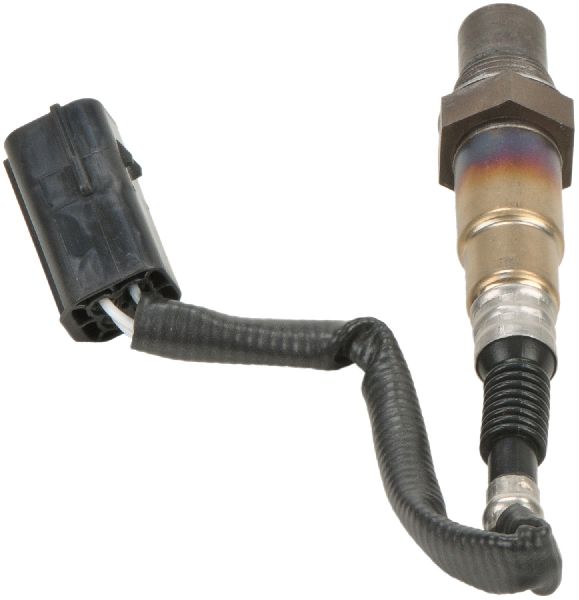
- Premium Brands (Bosch, Denso, NGK/NTK): These companies are often the original equipment manufacturers for Kia. Bosch invented the modern oxygen sensor, and Denso is a massive global OE supplier. Choosing one of these brands is the closest you can get to the original part's performance and reliability.
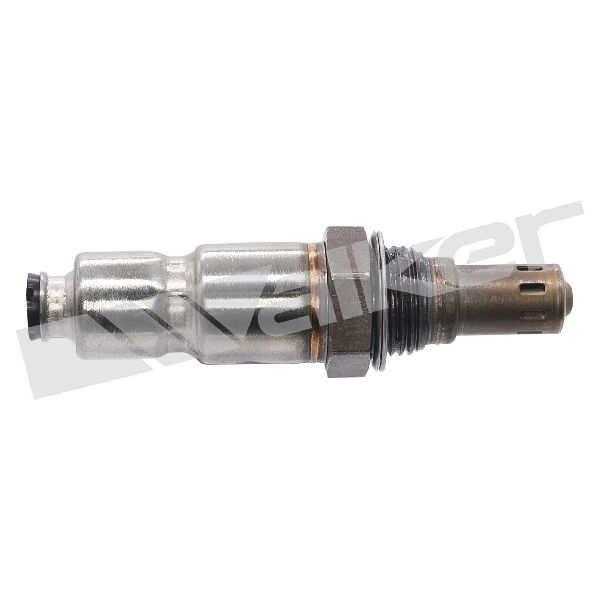
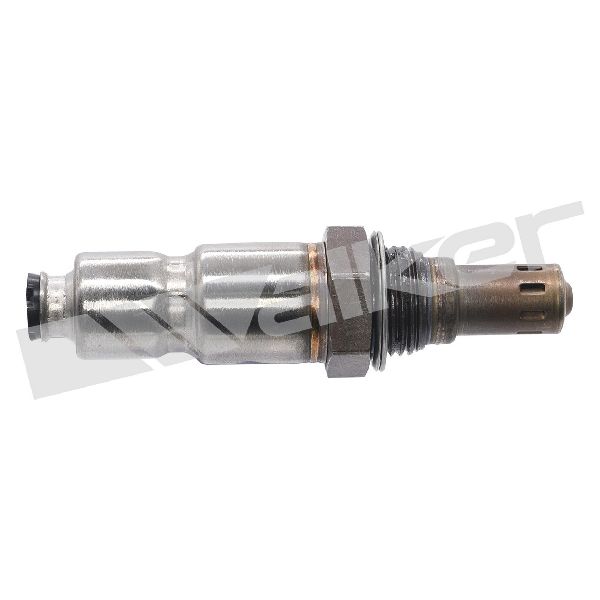
- Quality Mid-Range (Walker Products, Spectra): These brands are well-regarded in the aftermarket and provide reliable, direct-fit sensors that meet or exceed OEM specifications. They offer a good balance of price and quality.
- Economy Brands (DriveWire, Encore Automotive, Facet): These are more budget-friendly options. While they can perform correctly, it's crucial to ensure you are buying a direct-fit model and not a universal one.
OEM vs. Aftermarket Quality
For a vehicle like the 2004-2011 Sportage, a quality aftermarket direct-fit sensor from a reputable brand like Bosch, Denso, or NGK will perform just as well as an OEM part from the dealer, but at a lower cost. The key is to avoid generic, unbranded universal sensors that require wire splicing.
How Many Sensors Does My Sportage Have?

The number of oxygen sensors depends on your engine:
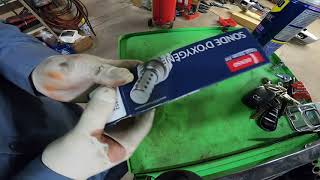
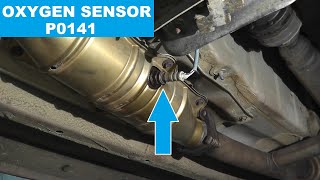
- 2.0L 4-Cylinder Engines: These typically have two sensors: one upstream (Bank 1, Sensor 1) 🎬 See this walkthrough for replacing the Bank 1 Sensor 1. and one downstream (Bank 1, Sensor 2).
- 2.7L V6 Engines: These have four sensors. There is an upstream and a downstream sensor for each engine bank (Bank 1 and Bank 2). Bank 1 is the cylinder bank closer to the firewall, while Bank 2 is closer to the radiator.
| Part Type | Estimated Cost |
|---|---|
| New Aftermarket | $27 - $229 |
| New OEM | $150 - $300+ |
| Shop Labor | $95 - $139 |
Frequently Asked Questions

What are the most common fault codes for a bad oxygen sensor?
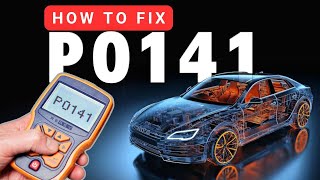
Common codes include P0130, P0131, P0132, P0133, and P0134 for the upstream sensor (Bank 1, Sensor 1), and P0136, P0138, P0139, and P0141 for the downstream sensor (Bank 1, Sensor 2). Codes P0135 and P0141 specifically point to a failure in the sensor's internal heater circuit.
🎬 Watch: How to fix a P0141 heater circuit malfunction.What's the difference between an upstream and a downstream sensor?
The upstream sensor (Sensor 1) is located on the exhaust manifold before the catalytic converter. It reads the raw exhaust to help the engine adjust the air-fuel ratio. The downstream sensor (Sensor 2) is located after the catalytic converter and monitors its efficiency.
Do I need a special tool to replace an oxygen sensor?
Yes, it is highly recommended. A special oxygen sensor socket has a slot down the side to accommodate the sensor's wire. Using one makes the job much easier. The sensors can be very tight, so soaking the threads with penetrating oil a day before removal can help.
Can I clean my oxygen sensor?
No, cleaning is not a reliable fix. Contaminants like carbon and oil can permanently damage the sensor's delicate internal element. If the sensor is providing faulty readings, it needs to be replaced.
Were there any recalls for the 2004-2011 Sportage oxygen sensor?
A search of the National Highway Traffic Safety Administration (NHTSA) database did not find any recalls specifically for oxygen sensors on the 2004-2011 Kia Sportage. However, other recalls for potential engine fire risks have been issued for some model years, so it's always wise to check your vehicle's VIN on the NHTSA website.
Helpful Videos

Technical Specifications
The 2004-2011 Kia Sportage uses heated, Zirconia-type oxygen sensors. The number of wires (typically 4 or 5) and connector style will vary depending on the specific engine and sensor location (upstream or downstream). Always verify the part by your vehicle's specific engine (2.0L I4 or 2.7L V6) and model year.
We Have This Part in Stock


The information in this article is provided for general reference and educational purposes only. Vehicle specifications, procedures, and part compatibility can vary by production date, trim level, and region. Always consult your vehicle's factory service manual and verify part numbers before purchasing or performing repairs. Safety-critical components such as airbags, seat belts, and braking systems should be installed by a qualified professional.
- Kia Sportage: