

A Practical Guide to Oxygen Sensors for the 2004-2010 Toyota Sienna
Fix your check engine light and improve gas mileage by choosing the right oxygen sensor for your Sienna.
- For best results, use a Denso or NGK brand direct-fit sensor; Denso is the original factory part supplier.
- A bad oxygen sensor can cause a check engine light, poor gas mileage, and eventually damage the expensive catalytic converter.
- Your Sienna has four sensors; identify the correct bank (Bank 1/rear or Bank 2/front) and position (Upstream/Sensor 1 or Downstream/Sensor 2) before buying.
- Codes P0420 and P0430 are common and often point to a bad downstream sensor, which is a cheaper first step than replacing a catalytic converter.
Is Your Sienna's Oxygen Sensor Failing?

A bad oxygen sensor is a common issue on the 2nd generation Toyota Sienna. When a sensor fails, it can't send the correct information to your vehicle's computer. This can cause noticeable problems and, if ignored, may lead to expensive damage to your catalytic converters.
Common Symptoms of a Bad Oxygen Sensor:
- Check Engine, VSC, and TRAC OFF Lights: The most common sign is a lit check engine light. On many Toyotas, a check engine light will automatically trigger the VSC and TRAC OFF lights as well.
- Worse Gas Mileage: The engine may use more fuel than necessary because the computer is getting bad data from the sensor.
- Rough Idle or Poor Acceleration: Your Sienna might feel sluggish, hesitate when you press the gas, or idle unevenly.
- Rotten Egg Smell: A strong smell of sulfur from the exhaust can indicate that unburned fuel is getting into the catalytic converter.
- Failed Emissions Test: A bad sensor will prevent your vehicle from passing a state emissions inspection.
Don't Ignore the Check Engine Light
While you can drive with a bad oxygen sensor, it's not recommended for long. An incorrect air-fuel mixture can overheat and destroy your catalytic converter, a repair that costs significantly more than replacing a sensor.
Choosing the Right Aftermarket Oxygen Sensor

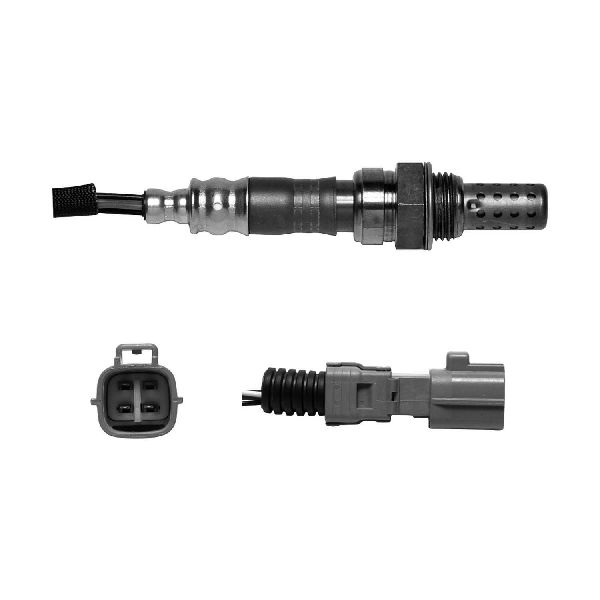
Not all aftermarket brands are created equal. For a vehicle like the Toyota Sienna, using a high-quality sensor is important to avoid future headaches. Denso is the original equipment manufacturer (OEM) for Toyota, meaning they made the parts that were installed at the factory.
Brand Quality Tiers
- Tier 1: OEM & Equivalent (Recommended): Denso and NGK (NTK). These brands are known to provide the same fit, performance, and longevity as the original Toyota part. Choosing Denso is the safest bet for a first-time, trouble-free repair.
- Tier 2: Quality Aftermarket: Bosch is a reputable brand with a long history. While generally reliable, some Toyota purists prefer to stick with the Japanese OEM brands like Denso or NGK.
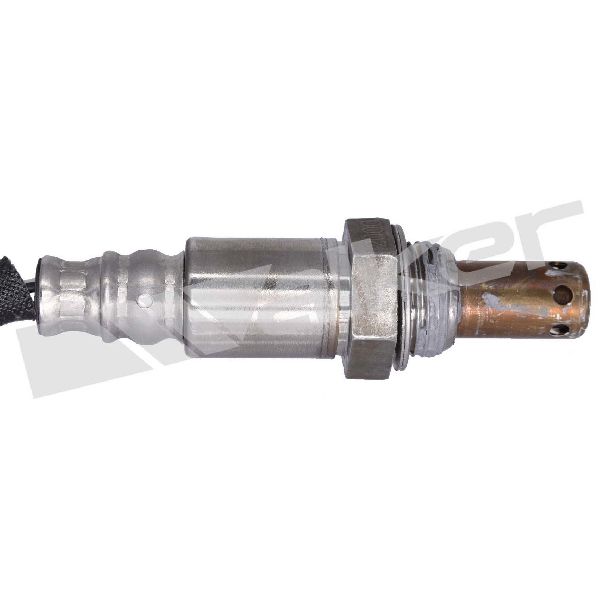
- Tier 3: Budget-Friendly: Brands like Spectra, Walker Products, and DriveWire offer a more affordable option. These can be a good choice if budget is the primary concern, but they may not have the same lifespan or perfect fit as OEM-quality parts.
Upstream vs. Downstream Sensors
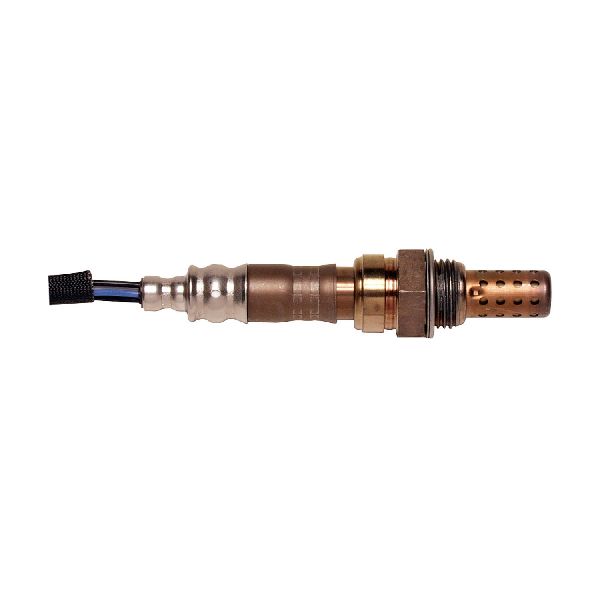
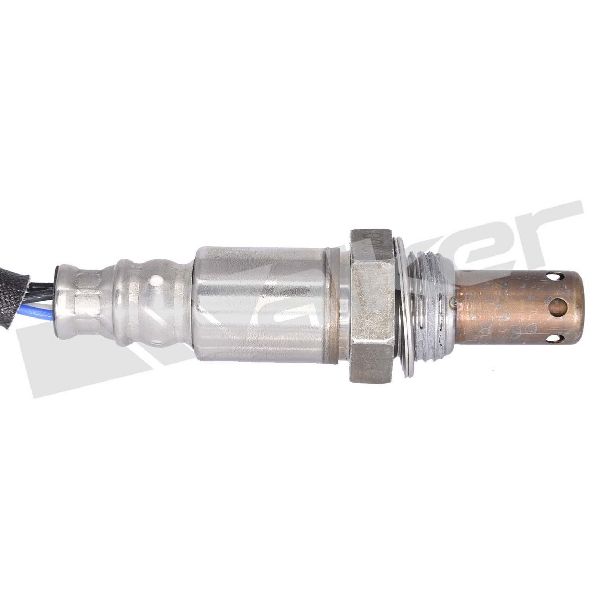
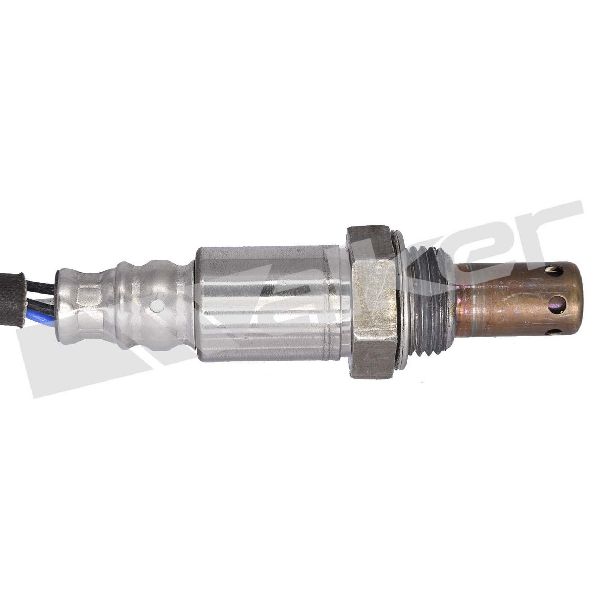
Upstream (Air/Fuel Ratio) and Downstream (Oxygen) sensors are not interchangeable. They look similar but function differently. Always confirm the exact location (e.g., Bank 1, Sensor 2) before ordering a replacement part.
Known Issues for the 2004-2010 Toyota Sienna

While there are no specific recalls for oxygen sensors on this generation, Toyota did issue a Technical Service Bulletin (TSB-0001-10) for some 2008-2009 models. This TSB notes that incorrect signals from the Air/Fuel Ratio sensor could cause a variety of check engine light codes, including P0138, P0158, and P0606. This indicates that sensor failure is a recognized issue by the manufacturer.
Cost of Replacing a Toyota Sienna Oxygen Sensor
The cost depends on the brand you choose and whether you do the work yourself or hire a mechanic.
| Item | Estimated Cost |
|---|---|
| New Aftermarket Oxygen Sensor | $25 - $308 |
| Shop Labor | $60 - $150 per sensor |
Labor costs can vary based on which of the four sensors needs replacement. The rear sensors (Bank 1) are harder to reach and will cost more in labor.
Frequently Asked Questions

How many oxygen sensors does a 2004-2010 Sienna have?
All 2004-2010 Siennas with the V6 engine have four sensors: two upstream (Air/Fuel Ratio sensors) and two downstream (rear oxygen sensors).
What are codes P0420 and P0430?
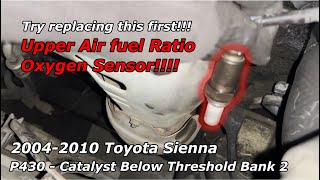
These are very common codes that mean "Catalyst System Efficiency Below Threshold." P0420 is for Bank 1 (rear) and P0430 is for Bank 2 (front). This often means the catalytic converter isn't working well, but it can also be caused by a faulty downstream oxygen sensor. 🎬 Watch: How to replace the sensor to fix code P0430 It is often recommended to replace the downstream sensor first, as it is a cheaper potential fix.
Where are the sensors located?
Bank 2 (Front): These sensors are on the side of the engine closest to the radiator and are the easiest to access. The upstream sensor is in the exhaust manifold, and the downstream is further down the exhaust pipe.
Bank 1 (Rear): These sensors are on the side of the engine against the firewall. They are very difficult to reach, especially the upstream sensor. 🎬 See this walkthrough for replacing the difficult Bank 1 sensor Mechanics often access them from underneath the vehicle.
Can I replace an oxygen sensor myself?
Yes, if you have the right tools and some mechanical experience. You will need a special oxygen sensor socket to remove and install the sensor without damaging the wire. 🎬 Watch: How to remove and install a Sienna oxygen sensor The front sensors (Bank 2) are reasonably DIY-friendly. The rear sensors (Bank 1) are much more challenging and may be best left to a professional.
Should I buy a "universal" sensor or a "direct-fit" sensor?
Always choose a "direct-fit" sensor. Universal sensors require you to cut and splice wires, which can lead to connection problems and incorrect readings. Direct-fit sensors, like those from Denso or NGK, come with the correct plug for your Sienna and are much more reliable.
Helpful Videos
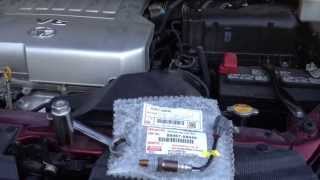
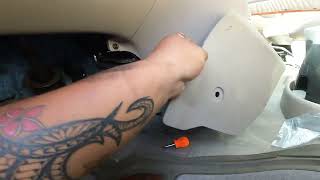
![[SOLVED] Sienna Bank 1 Sensor 1 Air-Fuel Oxygen (O2) Sensor replacement](https://img.youtube.com/vi/9nD5BNlMRSc/mqdefault.jpg)

Technical Specifications
OEM Part Numbers: 89465-08040 89465-08140
The 3.3L (2004-2006) and 3.5L (2007-2010) V6 engines use four sensors total. Two upstream wideband Air/Fuel Ratio sensors and two downstream conventional oxygen sensors. A special 22mm offset oxygen sensor socket is required for removal and installation.
We Have This Part in Stock


The information in this article is provided for general reference and educational purposes only. Vehicle specifications, procedures, and part compatibility can vary by production date, trim level, and region. Always consult your vehicle's factory service manual and verify part numbers before purchasing or performing repairs. Safety-critical components such as airbags, seat belts, and braking systems should be installed by a qualified professional.
- Toyota Sienna: