

Dodge Charger Alternator Guide: 2006-2010 Replacement and Troubleshooting
Everything a 2006-2010 Dodge Charger owner needs to know before replacing a failing alternator.
- Common failure symptoms include a battery light, dimming headlights, and whining noises from the engine bay.
- No major recalls affect most 2006-2010 consumer models; failures are typically due to age.
- A new alternator from a premium brand like Bosch or Denso is a reliable choice, while quality remanufactured units offer good value.
- Verify if your Charger needs a 140-amp or 160-amp alternator before purchasing a replacement.
Is Your Charger's Alternator Failing?

An alternator failure in the 2006-2010 Dodge Charger gives several warning signs. Many owners first notice dimming headlights or interior lights, especially when the car is idling. You might also hear a distinct whining or grinding sound from the engine bay that changes pitch as the engine RPMs change.
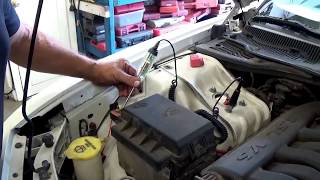
🎬 Watch: How to diagnose alternator problems on your ChargerThe most obvious sign is the battery warning light on your dashboard. This light means the alternator is not producing enough voltage to run the car and charge the battery. Your car is now running on battery power alone and will eventually stall.
Choosing the Right Aftermarket Alternator

For a vehicle like the 2006-2010 Charger, you have several good options besides going back to the dealer for an expensive OEM part. Aftermarket parts are not all created equal, so it's helpful to think of them in tiers.
- Premium Aftermarket (Bosch, Denso): These brands are often original equipment suppliers to many car manufacturers and are known for high-quality engineering and reliability. A new unit from Bosch or Denso is generally considered a top-tier choice, offering OEM-level performance and durability.
- Quality Aftermarket (MPA, BBB Industries, Remy): These brands offer a balance of value and reliability. They often specialize in remanufactured parts that meet or exceed original specifications. While a new premium part is often preferred, a quality remanufactured unit from a reputable brand is a solid, budget-friendly option.
Known Issues, Recalls, and TSBs
While there were significant alternator recalls for the next generation (2011+) Dodge Charger, the 2006-2010 models have no widespread, major alternator recalls for standard consumer vehicles. The issues in later models were often related to diode thermal fatigue, particularly in vehicles with specific engines or police packages not applicable to most 2006-2010 owners. The most common issue on these models is simply failure due to age and wear.
DIY Replacement: What to Expect

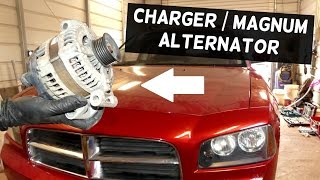
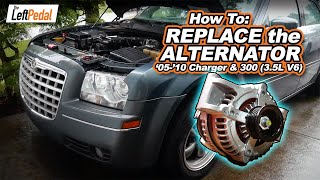
Replacing the alternator on a 2006-2010 Charger is a manageable job for a skilled DIYer. The process typically involves disconnecting the battery, raising the vehicle securely on jack stands, removing the engine splash shield, releasing tension on the serpentine belt, and then unbolting the alternator from the bottom. It requires a good set of metric sockets and wrenches. Limited space can make it challenging, especially on V8 models.
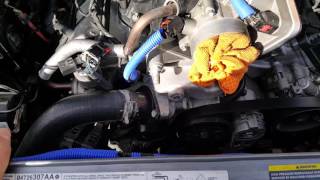
🎬 Watch: Step-by-step alternator removal and installation for the 5.7L HEMIFrequently Asked Questions

Can I drive my Charger with a bad alternator?
It is not recommended. Once the battery light comes on, your car is running only on battery power. Depending on the battery's condition, you may only have a few miles before the car stalls completely, potentially leaving you stranded.
What does the P0562 code mean on my Dodge Charger?
The P0562 "System Voltage Low" code is very common when an alternator is failing. It means the vehicle's main computer has detected that the electrical system voltage has dropped below the normal operating range, pointing directly to a problem with the battery 🎬 See this guide on fixing the P0562 low voltage code or, more likely, the charging system (alternator).
Should I buy a new or remanufactured alternator?
For this vehicle, a new alternator from a premium brand like Bosch or Denso offers the best long-term reliability. However, a quality remanufactured unit from a trusted brand like MPA or Remy can be a very cost-effective and reliable alternative. Avoid the cheapest, no-name options, as their quality can be inconsistent.
Do I need a high-output alternator?
For a stock Dodge Charger, the standard 140 or 160-amp alternator is sufficient. You would only need to consider a high-output alternator (250+ amps) if you have added significant electrical loads, such as a powerful aftermarket sound system, extra lighting, or other high-draw accessories.
Helpful Videos

Technical Specifications
OEM Part Numbers: 4896805AD 4896805AE 4896803AB 4896803AC R4896803AC
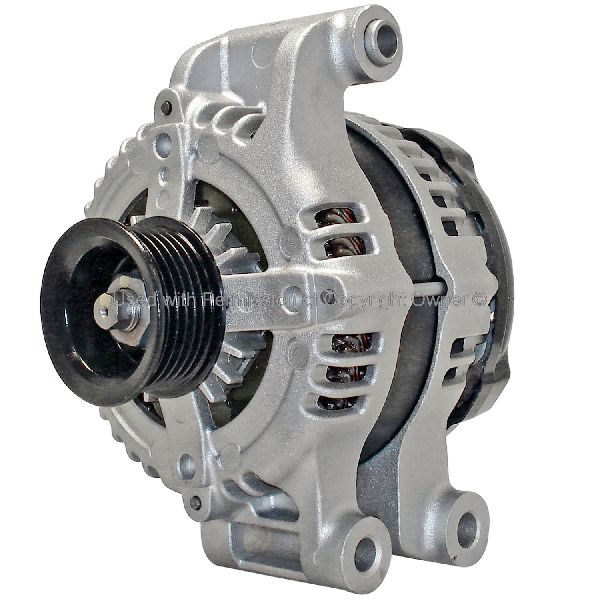
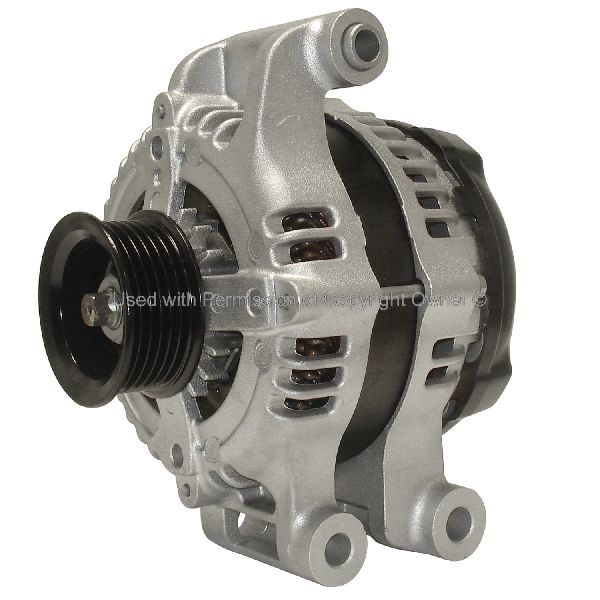
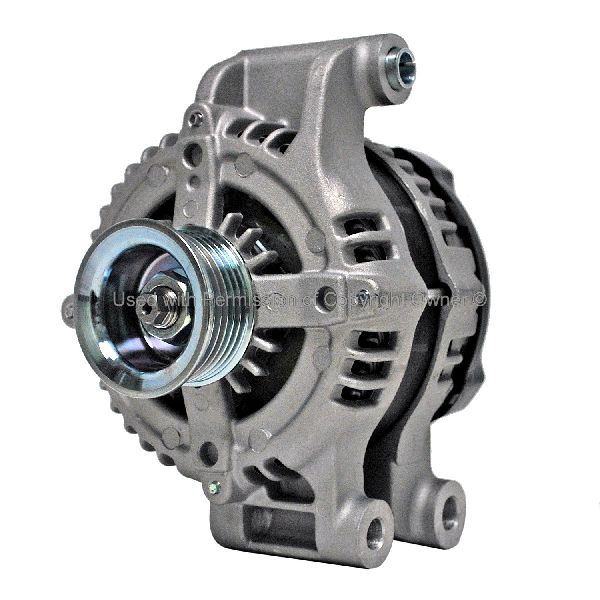
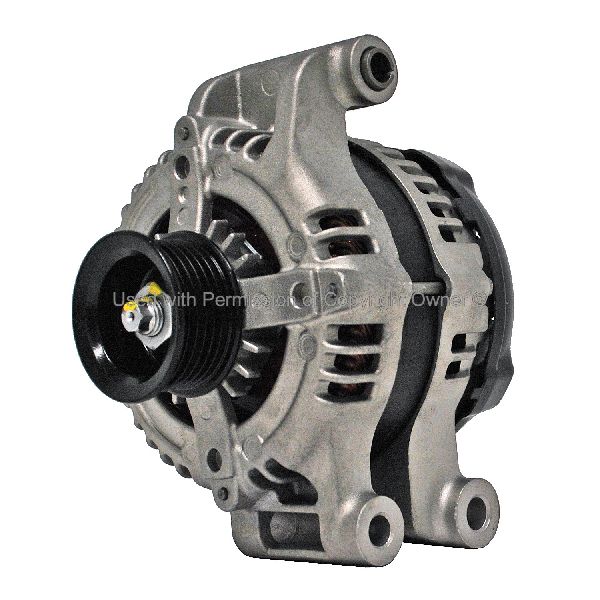
Standard output is typically 140 Amps or 160 Amps, depending on engine and trim level. The voltage regulator is internal. Connection types and mounting points are specific to the LX platform.
We Have This Part in Stock


The information in this article is provided for general reference and educational purposes only. Vehicle specifications, procedures, and part compatibility can vary by production date, trim level, and region. Always consult your vehicle's factory service manual and verify part numbers before purchasing or performing repairs. Safety-critical components such as airbags, seat belts, and braking systems should be installed by a qualified professional.
- Dodge Charger: