

Guide to 2004-2009 Toyota Highlander Relays: Symptoms and Replacement
Understand the small electrical switches that control major systems in your Highlander.
- A bad relay can cause a no-start condition or make key systems like the A/C fail.
- Relays are easy to replace yourself; they are located in fuse boxes and pull straight out.
- You can test a relay by swapping it with an identical one from a different circuit (like the horn).
- For this vehicle, a quality aftermarket relay is a reliable and budget-friendly repair option.
Symptoms of a Failing Relay in Your Highlander

When a relay fails, the component it controls will either not turn on, or in some cases, will not turn off. Because relays are used in many different systems, the symptoms can vary widely.
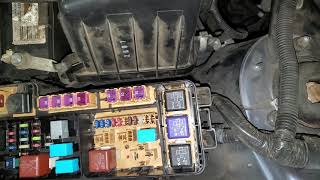
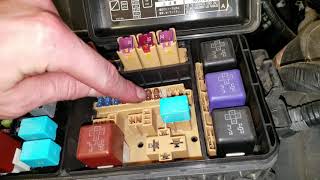
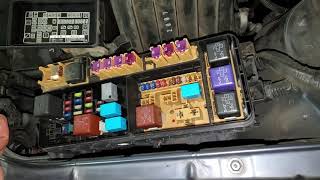
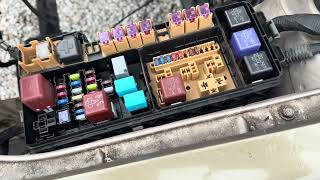
- No-Start Condition: A common symptom is the engine refusing to crank. This can be caused by a bad starter relay. 🎬 Watch: Locate the starter relay and fuse on your Highlander. You might turn the key and hear a single click or nothing at all, even with a good battery.
- A/C System Not Working: If your air conditioning isn't blowing cold, a failed A/C compressor clutch relay could be the culprit. The compressor won't engage to circulate refrigerant. You can sometimes diagnose this by swapping the A/C relay with a similar one, like the horn relay, to see if the A/C starts working. 🎬 See how to find the A/C relay and blower fuses.
- Engine Stalls or Won't Stay Running: A faulty fuel pump relay can cut power to the fuel pump, starving the engine of fuel and causing it to stall or fail to start.
- Cooling Fans Inoperative: The radiator cooling fans are controlled by relays. If these relays fail, the fans won't turn on, which can lead to the engine overheating, especially in traffic.
Don't Mistake a Relay for a Fuse
A fuse is a safety device that burns out to protect a circuit from excessive current. A relay is a switch. While a blown fuse can cause similar symptoms, it's a different part. Always check the fuses first, as they are simpler to inspect.
Choosing the Right Aftermarket Relay

For a component like a relay, the choice between an original equipment (OEM) part from Toyota and an aftermarket part often comes down to cost and availability.
- OEM Relays: These are the exact same parts your Highlander was built with. They guarantee a perfect fit and have a proven track record of quality, but they are often significantly more expensive.
- Aftermarket Relays: Aftermarket brands like Replacement offer a cost-effective alternative. For a simple, common part like a standard 4-pin relay, the quality of a good aftermarket part is often sufficient for most owners. Given the age of the 2004-2009 Highlander, an aftermarket relay provides a practical and affordable repair solution.
Pro Tip: Many relays in your Highlander's fuse box are identical. As a quick diagnostic test, you can swap a suspect relay with a known good one from a non-critical system (like the horn) to see if the problem moves. If it does, you've confirmed the relay is bad.
Cost of Replacing a Toyota Highlander Relay
| Part Type | Estimated Cost |
|---|---|
| New OEM (Dealer) | $40 - $80 |
| New Aftermarket (Replacement Brand) | $18 - $20 |
| Shop Labor | $50 - $100 (for diagnosis) |
Cost estimates are approximate and can vary based on location and specific relay type. Labor for simple relay replacement is often minimal if diagnosed quickly.
Frequently Asked Questions

Where are the relays located on a 2004-2009 Toyota Highlander?
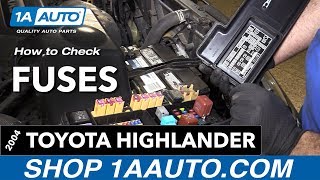
The main relays are found in two primary locations: the main fuse box in the engine compartment (usually near the battery) and an interior fuse panel under the dashboard on the driver's side. The lid of the fuse box cover has a diagram showing the location and function of each relay and fuse.
🎬 Watch this guide to find every fuse and relay box.Can I replace a relay myself?
Yes, replacing a relay is one of the easiest DIY repairs you can do. It requires no special tools other than perhaps a small pair of pliers to pull a stubborn relay out. Simply locate the correct relay using the diagram, pull the old one straight out, and push the new one in.
Are there any recalls for relays on this Highlander?
There are no specific recalls for relays on the 2004-2009 Toyota Highlander. However, there was a known issue with the A/C magnetic clutch relay on some Toyota models of this era, and an updated part was released. There were other recalls for this vehicle, such as for the floor carpet cover and clock spring, but not for powertrain or system relays.
What's the difference between a relay and a fuse?
A fuse is a one-time safety device designed to blow and break a circuit during an electrical overload, protecting the components. A relay is a reusable switch that uses a small electrical signal to turn a larger electrical current on and off repeatedly during normal operation.
Helpful Videos

Technical Specifications
OEM Part Numbers: 90987-02028 90987-02022
Most common relays are 12V DC, 4-pin or 5-pin configuration. Check the diagram on the side of the original relay to match the replacement.

The information in this article is provided for general reference and educational purposes only. Vehicle specifications, procedures, and part compatibility can vary by production date, trim level, and region. Always consult your vehicle's factory service manual and verify part numbers before purchasing or performing repairs. Safety-critical components such as airbags, seat belts, and braking systems should be installed by a qualified professional.
- Toyota Highlander: