

Engine Coolant Temperature Sensor Guide for the 2004-2009 Mazda 3
Understand the signs of a failing coolant temperature sensor and how to choose the right replacement for your first-generation Mazda 3.
- A bad ECT sensor on a Mazda 3 commonly causes a check engine light, poor fuel economy, and rough idling.
- The sensor is located in a tight spot on the back of the engine and requires a 19mm deep socket to replace.
- If you have a P0126 code, consider replacing the thermostat along with the sensor, as a stuck thermostat is a very common failure.
- Reputable aftermarket brands like Delphi, NGK, and Standard Motor Products offer a reliable and cost-effective alternative to OEM parts.
Is Your Mazda 3's Coolant Temp Sensor Failing?

A bad Engine Coolant Temperature (ECT) sensor can cause a range of confusing problems for your 2004-2009 Mazda 3. Because this sensor tells the car's computer how hot or cold the engine is, a false signal can make the computer add too much or too little fuel. This can lead to poor engine performance, bad gas mileage, and even a check engine light.
Common Symptoms of a Bad ECT Sensor:
- Check Engine Light: This is often the first sign. Codes like P0117 (sensor circuit low), P0118 (sensor circuit high), or P0126 🎬 Watch: How to test and replace sensors with P0117 or P0118 codes. (insufficient coolant temperature for stable operation) are common.
- Poor Fuel Economy: If the sensor tells the computer the engine is always cold, the computer will keep sending extra fuel. This wastes gas and can cause you to visit the pump more often.
- Black Smoke from Exhaust: A very rich fuel mixture, caused by a faulty sensor sending a constant "cold" signal, can result in unburned fuel burning in the exhaust, creating black smoke.
- Engine Overheating or Fluctuating Temp Gauge: While sometimes a bad thermostat is to blame, a faulty sensor can also cause the temperature gauge on your dash to behave erratically or give false overheating readings.
- Rough Idle: The wrong fuel mixture can make your engine run rough, especially when it should be idling smoothly.
A Note on Code P0126
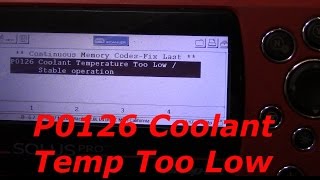
While a bad ECT sensor can trigger a P0126 code, this code is also very commonly caused by a thermostat that is stuck open. If you have this code, it's wise to inspect or replace the thermostat as well, as it is a frequent point of failure on the Mazda 3.
🎬 See how to diagnose and repair a P0126 code on your Mazda.Choosing the Right Aftermarket ECT Sensor

For a part like the ECT sensor, you don't necessarily need to buy the expensive OEM part from a Mazda dealer. Many aftermarket brands offer reliable quality that meets or exceeds original specifications. The key is to choose a reputable brand.
Brand Tiers for Your Mazda 3:
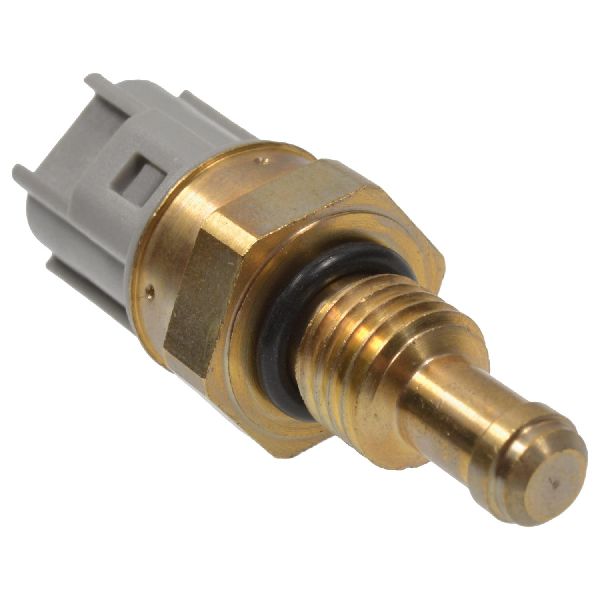
- Top-Tier Aftermarket (Recommended): Brands like Delphi, NGK, and Standard Motor Products (SMP) have a strong reputation for producing quality sensors. Delphi, for example, highlights its one-piece design to eliminate common failure points. These brands are often a safe bet for quality and longevity without the OEM price tag.
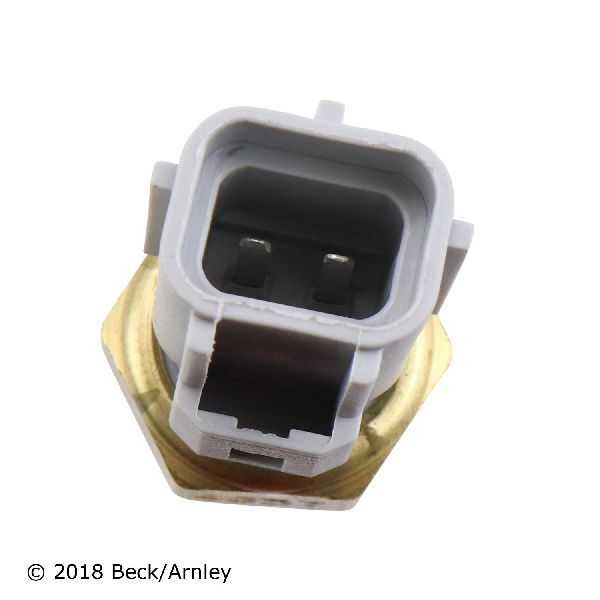
- OEM-Equivalent Sourcing: Beck Arnley is known for sourcing parts from various manufacturers, often the same ones that supply the original factory part. This can be a great option for getting OEM quality.
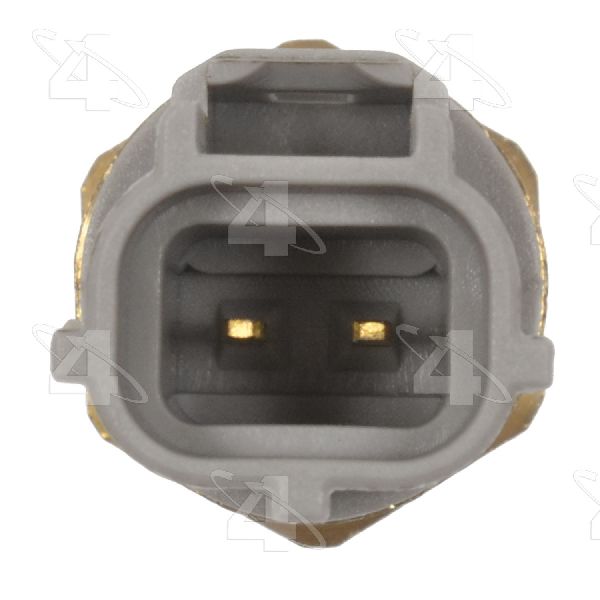
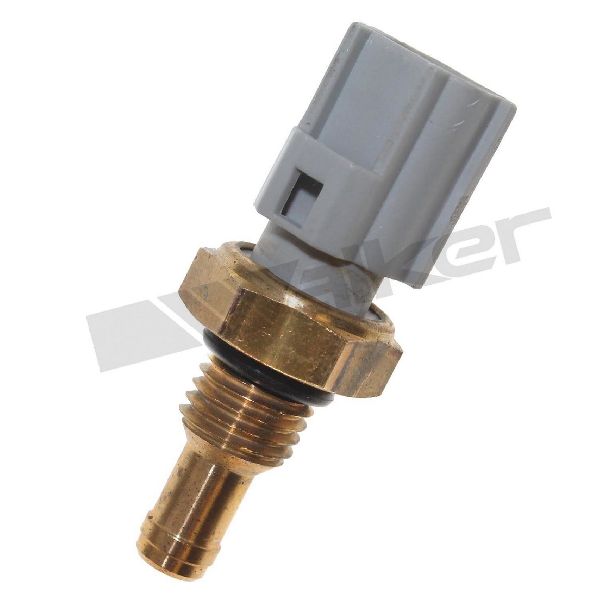
- Value-Oriented Brands: Brands like Four Seasons, Holstein, and Walker Products offer a more budget-friendly option. For a simple and inexpensive part like an ECT sensor, these can be a perfectly acceptable choice for many owners, though long-term durability may vary compared to top-tier brands.
Installation Tip
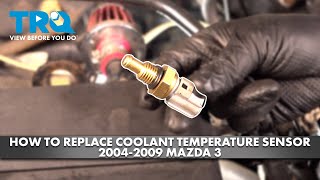
The ECT sensor on the 2.0L and 2.3L engines is located on the back of the engine, near the firewall. It can be tricky to reach. You will need a 19mm deep socket and an extension to remove and install it. Be prepared for a small amount of coolant to spill when you remove the old sensor; have the new sensor ready to install quickly to minimize loss. Always perform this job on a cold engine.
Cost of Replacing a Mazda 3 ECT Sensor
This is a relatively inexpensive repair, especially if you do it yourself. The part itself is affordable, and the labor is minimal for an experienced mechanic.
| Part/Service | Estimated Cost |
|---|---|
| New Aftermarket ECT Sensor | $12 - $44 |
| New OEM ECT Sensor | $50 - $70 |
| Shop Labor | $75 - $150 |
Frequently Asked Questions

Where is the ECT sensor located on the 2004-2009 Mazda 3?
The sensor is located on the rear of the engine block (cylinder head), toward the passenger side, near the firewall. It is situated below the main engine cover and can be difficult to see without a light. Following the upper radiator hose to where it connects to the engine can help you find the general area.
🎬 Watch this video to locate and replace the sensor on 2.3L engines.Can I replace the ECT sensor myself?
Yes, this is a feasible DIY job for someone with basic tools. The main challenge is the tight access. You will need a ratchet with an extension and a 19mm deep socket. The electrical connector can also be stiff and may require a small flathead screwdriver to release the tab.
Are there any recalls for the Mazda 3 ECT sensor?
No recalls were found for the 2004-2009 Mazda 3 concerning the engine coolant temperature sensor. Later model years had some Technical Service Bulletins (TSBs) related to coolant sensors and control valves, but these do not apply to the first generation.
Should I replace the thermostat at the same time?
It is highly recommended, especially if you are getting a P0126 trouble code. A failing thermostat is a very common issue on these cars and can cause similar symptoms. Since you will be working in the cooling system anyway, replacing the thermostat is a smart preventative measure.
Helpful Videos
Technical Specifications
OEM Part Numbers: LF0118840 B59318840A L35G18840 B593-18-840A
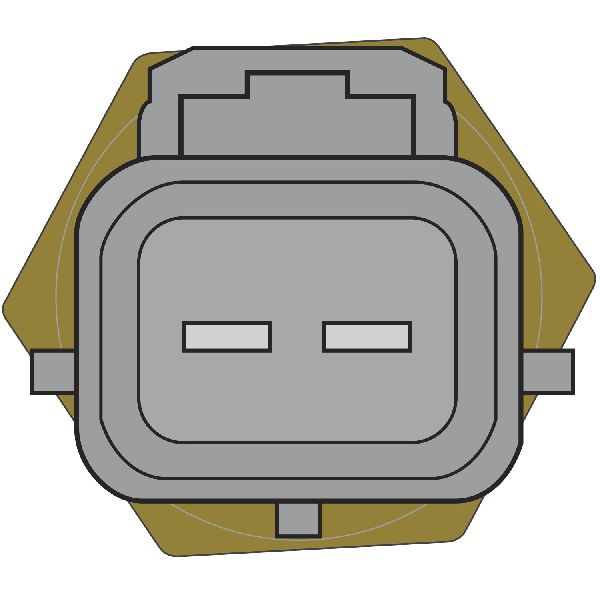
The sensor is a 2-pin thermistor that threads into the cylinder head or thermostat housing. It requires a 19mm deep socket for installation/removal.
We Have This Part in Stock


The information in this article is provided for general reference and educational purposes only. Vehicle specifications, procedures, and part compatibility can vary by production date, trim level, and region. Always consult your vehicle's factory service manual and verify part numbers before purchasing or performing repairs. Safety-critical components such as airbags, seat belts, and braking systems should be installed by a qualified professional.
- Mazda 3: